


The Igbo Paradox: Why A Tribe That Builds Is Feared, Fought And Yet Flourishes
Posted on October 14, 2025
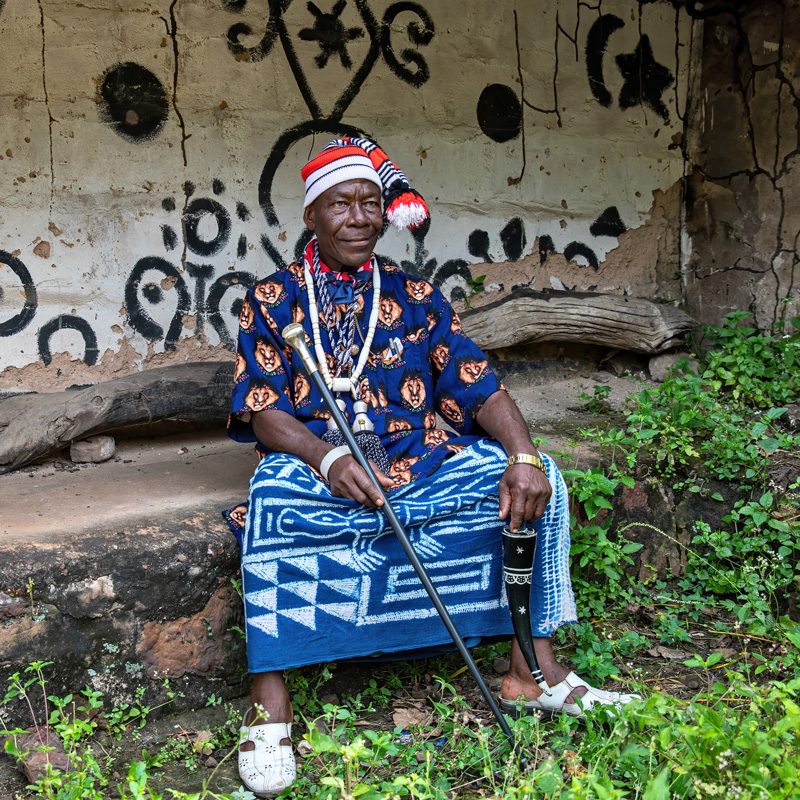
In the heart of Nigeria’s story lies a paradox, a people despised yet indispensable, envied yet imitated, persecuted yet prosperous. The Igbo people of Southeastern Nigeria have, through sheer grit and communal wisdom, risen to dominate the nation’s business landscape. From markets in Lagos to factories in Aba, from motor parts in Nnewi to real estate in Abuja, the Igbo man’s fingerprints are all over Nigeria’s economic pulse. Yet, instead of admiration, what often meets them is resistance, not from the government alone, but from other major tribes who seem uneasy with their relentless success.
From the civil war that sought to erase their existence, to the systemic marginalization that followed, the Igbo have lived under a shadow of suspicion, as if their ambition were a crime and their prosperity a provocation. The Nigerian political structure has long been tilted against them – denied key positions, underrepresented in power, and occasionally scapegoated for national woes. Yet, despite the odds, they rise always.
In Nigeria and in some other African countries, many fear the self-reliant Igbo people who do not wait for permission to succeed. The Igbo man’s success story is not built on government contracts, nepotism, or state favoritism. It is built on the strength of the Igbo Apprenticeship System, which is a centuries-old model of economic mentorship rooted in trust, hard work, and brotherhood. In this system, a young boy, often from a humble background, serves under a master known as Oga for several years, learning the ropes of trade, discipline, and relationship management. When his time is up, the master settles him, not with a salary, but with capital, goods, and the connections needed to start his own business.
Unlike in many other tribes where an apprentice must pay his master to learn, and still pay again to earn his freedom, often spending heavily to host a party and pay for certificate before being released. This practice amounts to exploitation, void of the spirit of brotherhood in its entirety.
The Igbo Apprenticeship System is not just economics for it is communal capitalism. It is nation-building at a micro level. Through this system, one man’s success becomes a seed for another’s prosperity. The servant today becomes a boss tomorrow, and the cycle continues, expanding like ripples in water. This model has created millionaires without formal education, industrialists without political godfathers, and a network of entrepreneurs who owe nothing to government policies but solely to the Igbo spirit of enterprise.
It is this independence that unsettles the system. A man who does not depend on you cannot be controlled by you. The Igbo man’s economic power challenges Nigeria’s political order, which thrives on dependency and patronage. Hence, many who cannot match their industriousness seek to malign it. Markets are sometimes burnt, properties demolished, policies skewed, yet, like the proverbial phoenix, the Igbo rebuild from ashes with their undying spirit of the bone shall always rise again.
To understand the Igbo resilience, one must understand the psychology of a people who have lost everything and rebuilt from nothing. After the civil war, when the Nigerian government declared that every Igbo man would get only £20, regardless of their pre-war wealth, they did not riot, rather, they reinvented. They turned humiliation into hustle, and within a decade, they had re-established their dominance in commerce across the nation. That is not luck; that is the champions’ character worthy of emulating.
The tragedy however, is that instead of studying the Igbo model and replicating its brilliance, other tribes and even the state often choose resentment over reflection. Rather than build partnerships, they build prejudice. But resentment has never stopped progress for it only exposes insecurity.
What the rest of Nigeria must realize is that the success of the Igbo is not a threat; it is a template. The Igbo Apprenticeship System is one of the most powerful wealth distribution models in human history. It takes the poor, trains them, empowers them, and makes them employers of labour. It is an African success story born on African soil that other Africans should emulate in order to secure the conqueror’s marching order known as “the forward ever”. If Nigeria truly wants economic transformation, it must learn from the Igbo, not fight them.
The Igbo spirit is not about tribal dominance; it is about collective upliftment. It is about the dignity of labour, the value of mentorship, and the audacity to dream beyond one’s circumstances. The Igbo believe that no man should die serving another forever, and that every servant should one day become a master. That philosophy, simple yet profound, is what has kept them afloat amid storms of discrimination.
My humble request: #FREENNAMDIKANU
– Ambassador Ezewele Cyril Abionanojie is the author of the book ‘The Enemy Called Corruption’ an award winner of Best Columnist of the year 2020, Giant in Security Support, Statesmanship Integrity & Productivity Award Among others. He is the President of Peace Ambassador Global.
Categorised as : Opinion
No Comments »
Related posts