

The Pitfalls Of Dubious Leadership: Embarrassment And Erosion Of Trust
CHUKWUEMERIE UDUCHUKWU
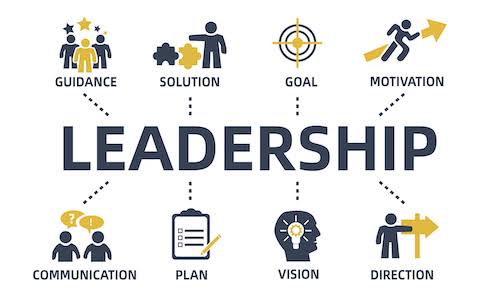
As a society, organization, or community leader, embracing dubious practices can have far-reaching consequences, ultimately leading to embarrassment and irreparable damage to one’s reputation. Dubious leaders prioritize short-term gains over integrity, ethics, and transparency, compromising the trust and confidence of their constituents. This approach fosters scepticism, undermining credibility and loyalty among followers, and creates divisions, sparking internal power struggles and conflicts.
Dubious leadership is characterized by a lack of transparency, concealing information, manipulating facts, or withholding truth. Unethical decision-making prioritizes personal interests over collective well-being, while inconsistency and favouritism grant unfair advantages to select individuals or groups. Moreover, dubious leaders often deflect accountability, shifting blame, dodging responsibility, or intimidating critics.
The consequences of dubious leadership are severe. Leaders may face resignation or removal, and their personal and professional reputation suffers irreparable harm. Legal repercussions, including investigations, lawsuits, or criminal charges, may also arise. Social isolation is another outcome, as leaders lose respect, friendships, and community support. Ultimately, their legacy is tarnished, leaving a lasting impact of distrust, corruption, or incompetence.
The erosion of trust and credibility is a direct result of dubious leadership. When leaders prioritize personal interests over collective well-being, they undermine the foundation of their authority. Regulatory bodies, legal authorities, or public backlash may hold leaders accountable, leading to public humiliation and damage to their reputation.
In contrast, leaders who embody transparency, integrity, and accountability foster open communication, encourage feedback, and promote values of trust, respect, and accountability. By leading by example, demonstrating integrity, ethics, and fairness, leaders build trust and credibility. This approach ensures a leader’s legacy endures, while dubious practices guarantee embarrassment and downfall.
Embracing transparency and integrity is crucial for effective leadership. Leaders must recognize the dangers of dubious practices and strive to create a culture of trust, respect, and accountability. By doing so, they will maintain the confidence of their constituents, ensure their legacy, and avoid the pitfalls of dubious leadership. Choosing wisdom, ethics, and integrity is the only path to leading with honour.
– Chukwuemerie Uduchukwu writes from Zaria, Nigeria.
Related posts