


The Role of Preventive Health in The Maritime Industry: Nigerian Context, NIMASA, And The SDGs 2030
BY VICTORIA ROTIMI-OYEDEPO, PHD
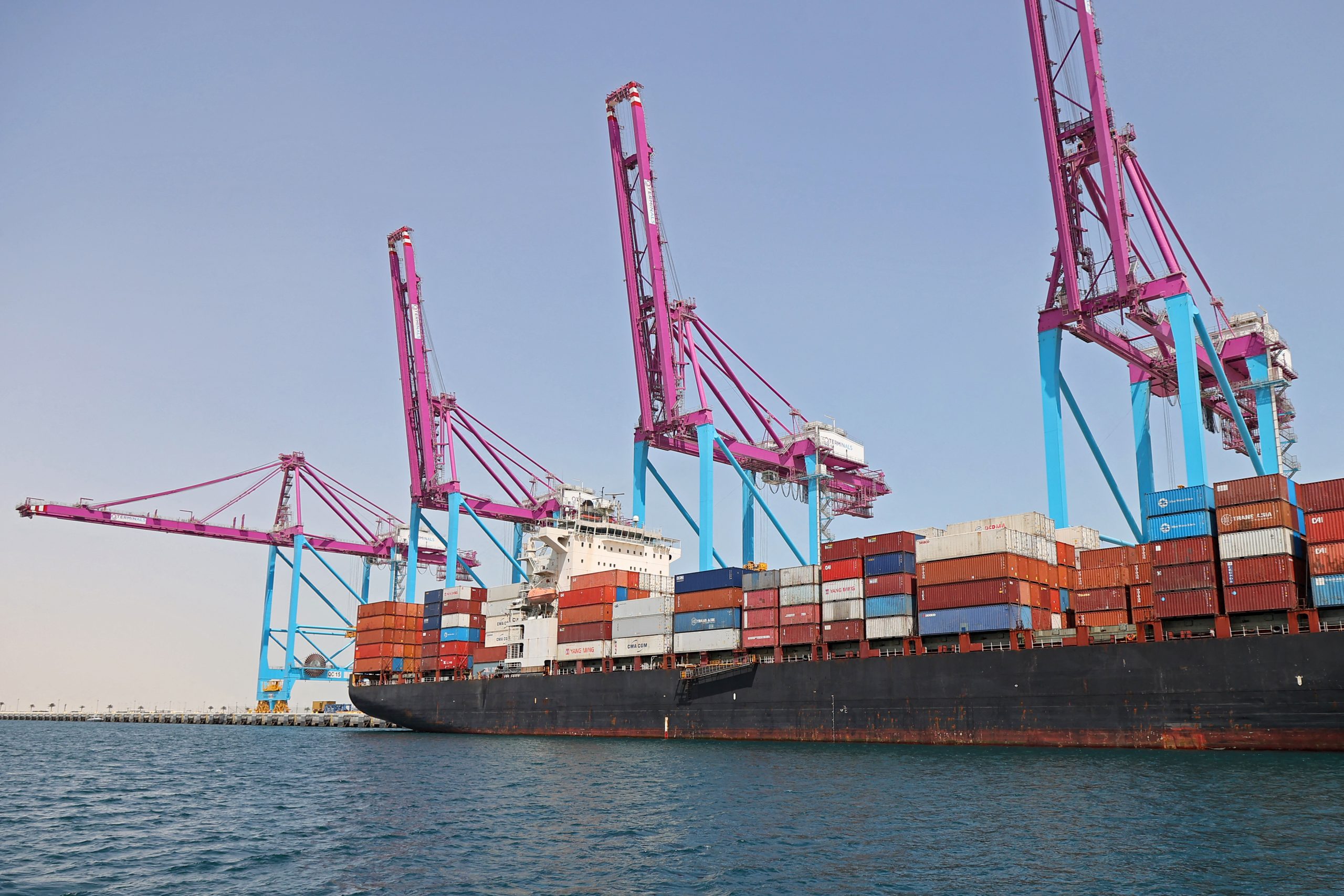
Maritime transport is the backbone of global trade, carrying the majority of goods exchanged across nations, and Nigeria is no exception, with over 80% of its international trade moving through seaports (UNCTAD, 2023).
Despite its economic value, the seafarers in maritime sector are exposes to distinctive occupational hazards such as prolonged voyages, limited access to healthcare, social isolation, and exposure to both communicable and non-communicable diseases.
For this reason, preventive health measures are critical for maintaining safety, reducing disease burden, and ensuring efficiency in maritime operations.
In Nigeria, the Nigerian Maritime Administration and Safety Agency (NIMASA) serves as the regulatory body responsible for enforcing maritime safety, labour standards, and seafarers’ welfare. Through its policies and collaboration with global institutions such as the International Maritime Organization (IMO) and the International Labour Organization (ILO), NIMASA ensures that Nigerian seafarers’ health is safeguarded in line with international requirements and the United Nations Sustainable Development Goals (SDGs) 2030.
1.Promoting Safety and Preventing Accidents (SDG 3 & SDG 8)
2.Preventive health initiatives, including pre-employment medical tests, routine health assessments, and occupational safety training, help to minimise risks of accidents linked to health conditions. NIMASA mandates that all seafarers obtain valid medical certificates of fitness before deployment, thereby ensuring only medically fit individuals embark on voyages (NIMASA, 2022). This practice not only advances SDG 3 (Good Health and Well-Being) but also supports SDG 8 (Decent Work and Economic Growth) by promoting safer working environments.
3. Early Detection and Control of Diseases (SDG 3.4)
Medical screenings, vaccination campaigns, and collaboration with port health authorities enable the early detection of communicable and non-communicable diseases among seafarers. By preventing medical crises at sea, such measures align with SDG 3.4, which seeks to reduce premature mortality from chronic conditions through preventive strategies (WHO, 2021).
4. Mental Health and Psychological Well-being (SDG 3)
Seafarers often face psychological challenges including fatigue, stress, and loneliness, which can impair work performance and safety. Compliance with the Maritime Labour Convention (MLC, 2006) requires shipping companies, under NIMASA’s oversight, to provide decent working conditions, manageable hours of rest, and welfare services. These measures contribute to SDG 3.4 and SDG 3.5, by addressing mental health and reducing risks associated with substance misuse (ILO, 2006).
5. Preventing Outbreaks of Communicable Diseases (SDG 3 & SDG 6)
Ships are enclosed environments where infectious diseases can spread rapidly. Preventive measures such as vaccination, strict sanitation, and compliance with International Health Regulations (IHR, 2005) reduce the risk of disease outbreaks on board and at ports (WHO, 2021). NIMASA collaborates with port health services to enforce these protocols, thereby contributing to SDG 3.3 (combating communicable diseases) and SDG 6 (Clean Water and Sanitation).
6. Promoting Healthy Lifestyle Practices (SDG 3)
Lifestyle-related illnesses, such as hypertension and diabetes, are increasingly common among seafarers. Preventive health approaches—such as nutrition education, regular exercise, and discouragement of smoking and excessive alcohol use help reduce these risks. NIMASA has promoted awareness programmes aimed at improving the health literacy of maritime workers, thereby supporting SDG 3.4 on non-communicable disease prevention (NIMASA, 2022).
7. Enhancing Productivity and Operational Efficiency (SDG 8 & SDG 9)
Healthy seafarers are more productive, take fewer sick leaves, and contribute to the smooth running of maritime operations. Investment in preventive health reduces the likelihood of voyage disruptions, ensuring a stronger and more reliable maritime workforce. This directly supports SDG 8.8 (safe working environments) and SDG 9 (Industry, Innovation, and Infrastructure).
8. Strengthening Compliance with International Standards (SDG 16 & SDG 17)
NIMASA enforces compliance with the IMO and ILO conventions, ensuring that Nigerian seafarers’ rights to health and safety are respected. These efforts strengthen institutional governance (SDG 16) while fostering international partnerships that enhance Nigeria’s maritime standing (SDG 17).
9. Cost-Effectiveness and Sustainable Practice (SDG 12)
By preventing diseases and accidents, the maritime industry reduces costs related to emergency medical evacuations, insurance claims, and compensation. Preventive health is therefore a cost-effective approach that supports SDG 12 (Responsible Consumption and Production) by optimising healthcare resources within the sector.
In Summary
Preventive health is essential in the maritime industry for protecting seafarers, reducing occupational hazards, and ensuring sustainable operations.
In Nigeria, NIMASA plays a critical role in enforcing medical standards, promoting health education, and ensuring compliance with international conventions. These measures contribute significantly to the achievement of the United Nations SDGs 2030, particularly in the areas of health, decent work, institutional governance, and sustainable development.
References
International Labour Organization (ILO). (2006). Maritime Labour Convention (MLC, 2006). Geneva: ILO.
International Maritime Organization (IMO). (2021). IMO and COVID-19 – Supporting Seafarers and Shipping. London: IMO.
Nigerian Maritime Administration and Safety Agency (NIMASA). (2022). Annual Report on Maritime Safety and Seafarers’ Welfare. Lagos: NIMASA.
United Nations Conference on Trade and Development (UNCTAD). (2023). Review of Maritime Transport 2023. Geneva: UNCTAD.
World Health Organization (WHO). (2021). International Health Regulations (2005), Third Edition. Geneva: WHO.
Related posts