


The Strategic Imperative of Global Business Summits On Africa
BY EHI BRAIMAH
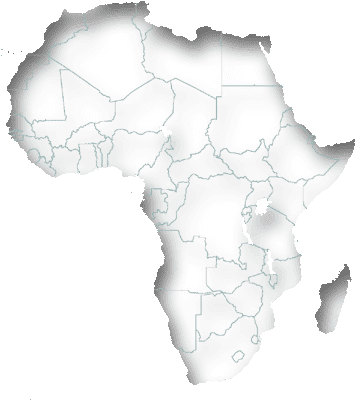
Africa has emerged as one of the most strategic frontiers for global investment, trade, innovation, and economic transformation.
With a population projected to exceed 2.5 billion by 2050, abundant natural resources, a rapidly expanding middle class, and the world’s youngest workforce, the continent is increasingly attracting the attention of governments, multinational corporations, investors, development institutions, and entrepreneurs. Against this backdrop, global business summits hosted in Africa and across the world on Africa, have become vital platforms for dialogue, partnership-building, and economic cooperation.
From investment forums and trade expos to leadership conferences and innovation summits, these gatherings bring together policymakers, business executives, financiers, academics, and development experts to discuss opportunities and challenges shaping Africa’s future.
Beyond networking events, they have become powerful instruments for driving economic growth, fostering regional integration, and positioning Africa as a key player in the global economy.
The summits on Africa and where they hold
The France-Africa Summit, otherwise known as Africa Future Forward Summit, held in Nairobi, Kenya from May 11 – 12 for the first time in an Anglophone country. It was followed by Biashara Afrika in Lome, Togo, which held from May 18 – 22, while the London-Africa Business Summit convened by Sadiq Khan, the Mayor of London, held on June 4. The London Summit attracted diaspora professionals, international investors, and policymakers to discuss the harmonisation of capital markets, tech investments and economic growth on Africa.
On July 30, the Global Africa Summit will hold at the Toronto Metropolitan University, Toronto, Canada. The summit will focus on translating Canada’s Africa Strategy into tangible trade, fintech, infrastructure, and green energy by connecting institutional investors with emerging African markets.
Other major and annual recurring events include the US-Africa Business Summit holding in Mauritius from July 26 – 29, co-hosted by the Corporate Council on Africa and the Government of Mauritius; the Opportunities in Africa Summit in New York City where investors and entrepreneurs explore Foreign Direct Investment (FDI) opportunities in high-growth markets like Rwanda, Senegal and Cote d’Ivoire.
There’s also the US-Africa Leaders’ Summit in Washington DC, USA; the Africa CEO Forum, the Climate Change Global Business Summit on Africa which holds in Nairobi, Kenya; the Financial Times (FT) Africa Summit that will hold from October 21 – 22, at The Landmark, London; the Transform Africa Summit, the continent’s premier annual forum on technology, innovation and digital transformation organised by Smart Africa Alliance, and others.
Growing relevance of the summits
Global business summits serve as meeting points where ideas, capital, and opportunities converge. Their relevance has increased significantly as African economies seek to diversify beyond traditional sectors such as oil, gas, and mining into manufacturing, technology, agriculture, renewable energy, healthcare, and digital services.
These summits provide a unique platform for governments to showcase investment opportunities and policy reforms aimed at attracting FDI. Investors, in turn, gain valuable insights into emerging markets, regulatory environments, and sector-specific opportunities. For local businesses, the events offer exposure to international markets, potential partners, and financing sources.
The role of AfCFTA
The African Continental Free Trade Area (AfCFTA) should be the economic anchor of every Africa-focused global business summit. Whether in Abuja, Lagos, Nairobi, Kigali, Mauritius, Paris, London, New York, Washington DC, Dubai, Moscow, or Beijing, AfCFTA must be presented not merely as a trade agreement but as Africa’s blueprint for industrialisation, regional value chains and a single market of over 1.4 billion people.
Rather than promoting 54 fragmented economies, African leaders should speak with one voice, using AfCFTA to attract investment in manufacturing, infrastructure, digital technology, agriculture and clean energy. Global summits on Africa should therefore move beyond aid and commodity exports to partnerships that expand intra-African trade, technology transfer, skills development and value addition.
A united AfCFTA agenda will strengthen Africa’s bargaining power, reduce trade barriers, create jobs and position the continent as a competitive global investment destination. Africa’s economic transformation depends on making AfCFTA the centrepiece of every international business engagement.
Benefits
One of the most significant benefits of global business summits is their ability to attract investment. Many investment deals, public-private partnerships, and development projects originate from conversations initiated during these events. By bringing together key decision-makers in one location, summits reduce barriers to engagement and facilitate quicker decision-making.
Another major benefit is knowledge exchange. Participants gain access to expert insights on market trends, emerging technologies, sustainable development practices, climate finance, and global economic shifts. Such knowledge helps businesses and governments make informed decisions that enhance competitiveness and resilience.
Business summits also stimulate tourism and local economic activity. Hotels, transportation services, restaurants, event management firms, and other service providers benefit from the influx of delegates. Host cities often gain international visibility, improving their reputation as business and investment destinations.
Furthermore, these events contribute to capacity building. Young entrepreneurs, startups, and small and medium-sized enterprises (SMEs) gain opportunities to learn from industry leaders, access mentorship, and connect with investors. This helps nurture the next generation of African business leaders and innovators.
On a broader scale, global business summits support economic diplomacy. Governments use these platforms to strengthen bilateral and multilateral relationships, negotiate trade agreements, and promote regional cooperation. Such engagements can lead to long-term economic partnerships that benefit multiple countries.
Africa’s strategic importance in the global economy
The increasing number of global business summits on Africa reflects the continent’s growing strategic importance. Africa possesses approximately 30 percent of the world’s mineral reserves, including critical minerals such as cobalt, lithium, manganese, and rare earth elements that are essential for electric vehicles, renewable energy technologies, and advanced manufacturing.
In addition, Africa’s agricultural potential remains largely untapped. The continent holds vast areas of arable land capable of contributing significantly to global food security. Its expanding urban population and rising consumer demand also make it one of the most promising growth markets in the world.
The continent’s digital revolution further enhances its attractiveness. Mobile technology, fintech innovation, e-commerce, and digital payment systems have transformed business operations across many African countries such as Nigeria and Kenya. Investors increasingly view Africa not only as a source of raw materials but also as a market for innovation and technological advancement.
The new scramble for Africa
The growing international interest in Africa has led many analysts to describe current geopolitical and economic competition as a “New Scramble for Africa.” Unlike the colonial-era scramble of the late nineteenth century, today’s competition is driven primarily by economic, technological, and strategic interests rather than direct territorial control.
Major global powers, including the United States, China, the European Union, India, Turkey, Russia, and Gulf states, are actively expanding their engagement across Africa. They compete for access to natural resources, infrastructure projects, trade opportunities, energy partnerships, digital markets, and geopolitical influence.
China has become one of Africa’s largest trading partners and infrastructure financiers, investing heavily in roads, railways, ports, and industrial parks. Western nations have responded by increasing investment initiatives focused on sustainable development, clean energy, digital infrastructure, and private sector growth. Meanwhile, emerging powers are seeking to deepen commercial and diplomatic ties through trade agreements, investment missions, and development partnerships.
Global business summits often serve as arenas where these competing interests intersect. International corporations and governments use such forums to announce investment commitments, launch strategic partnerships, and strengthen economic relationships with African nations.
While increased global attention creates opportunities for growth and development, it also presents challenges. African countries must ensure that investments contribute to sustainable development, local job creation, technology transfer, and industrialization. Effective governance, transparency, and strategic negotiation are essential to ensuring that Africa derives maximum benefit from foreign engagement.
Africa’s future
As Africa’s economic influence continues to grow, global business summits will play an increasingly important role in shaping the continent’s future. These events provide platforms for investment mobilisation, innovation exchange, policy dialogue, and international cooperation. They also help position African countries as active participants in global economic decision-making rather than passive recipients of external interests.
The challenge and opportunity for Africa lie in leveraging these platforms to advance its own development priorities. By fostering strategic partnerships, promoting intra-African trade, supporting entrepreneurship, and ensuring inclusive growth, business summits can become powerful catalysts for transformation.
In the context of the new scramble for Africa, the continent is no longer merely a destination for external interests. Increasingly, it is becoming a dynamic actor with the capacity to shape global markets, influence international investment flows, and define its own development trajectory. Global business summits on Africa provide one of the most visible and effective mechanisms through which this transformation can be realised.
Braimah is a PR specialist, marketing strategist, and publisher/editor-in-chief of Naija Times (www.ntm.ng) and Lagos Post (www.lagospost.ng). He is a strong advocate for African prosperity and can be reached through: ehi.braimah@neomedia.com.ng
Related posts