

Tinubu’s UK State Visit: Nigeria And The Subtle Power of Place Marketing
BY ISRAEL JAIYE OPAYEMI
A few distinct -if not distinguished- words and phrases stand out in the deluge of informed commentaries on President Bola Tinubu’s recently concluded state visit to the United Kingdom within enlightened foreign policy, global investment and marketing communications circles – historic, intentional, significant, symbolic and consequential. I do not think it is just because this is the first state visit in 37 years, and the first by an elected Nigerian President since the return of democratic governance in 1999.
According to Professor Bolaji Akinyemi, the visit was not just a corrective to the negative narrative that Nigeria is no longer of international significance, but a powerful signal that the UK still regards “Nigeria as a country of strategic importance and a consequential partner.”
Yes, you read that well and clear. Let it sink. Against all odds and the wishes of some, Nigeria, your country is still a country of strategic importance and a consequential partner to not just the UK, but a number of other power nations around the world.
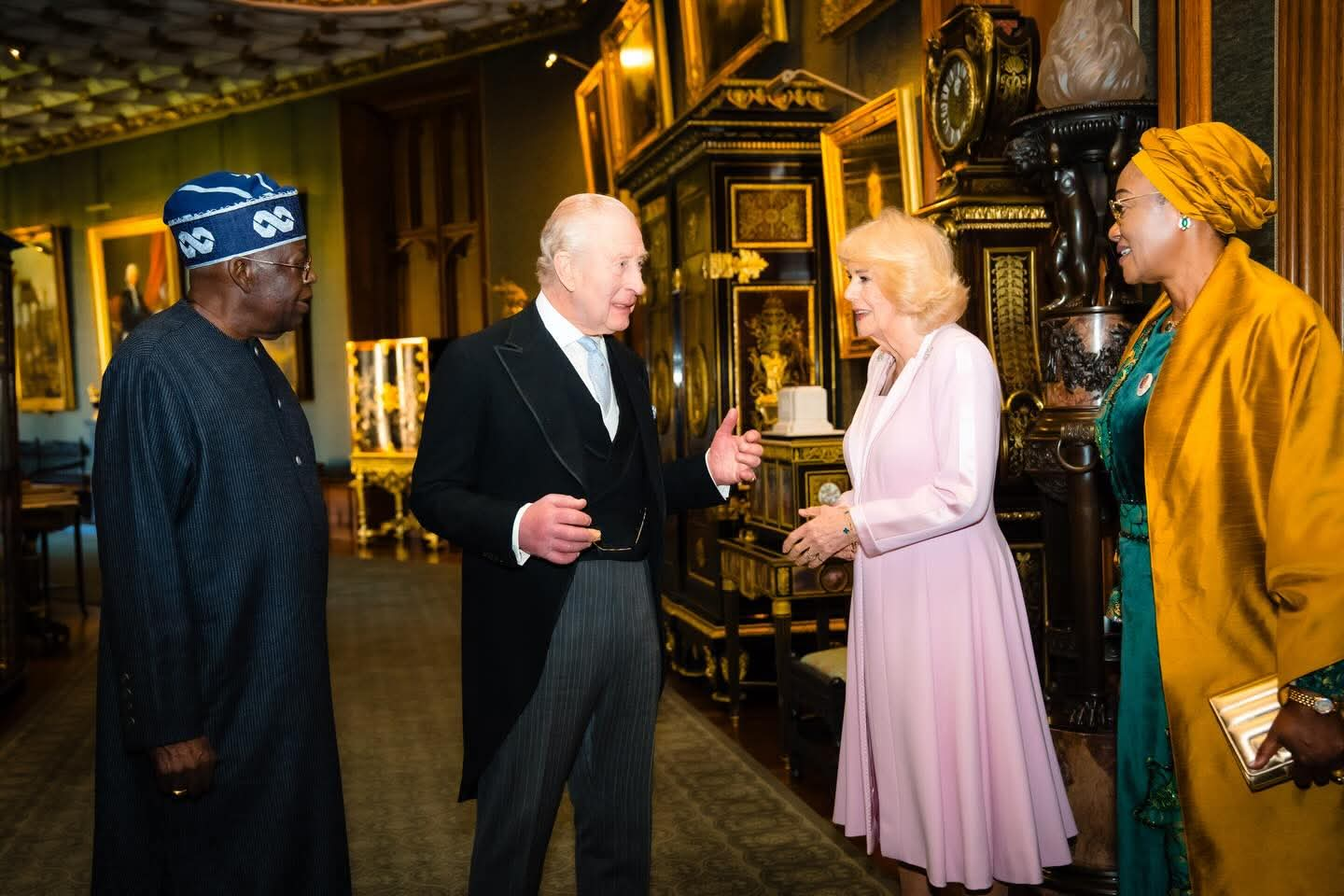
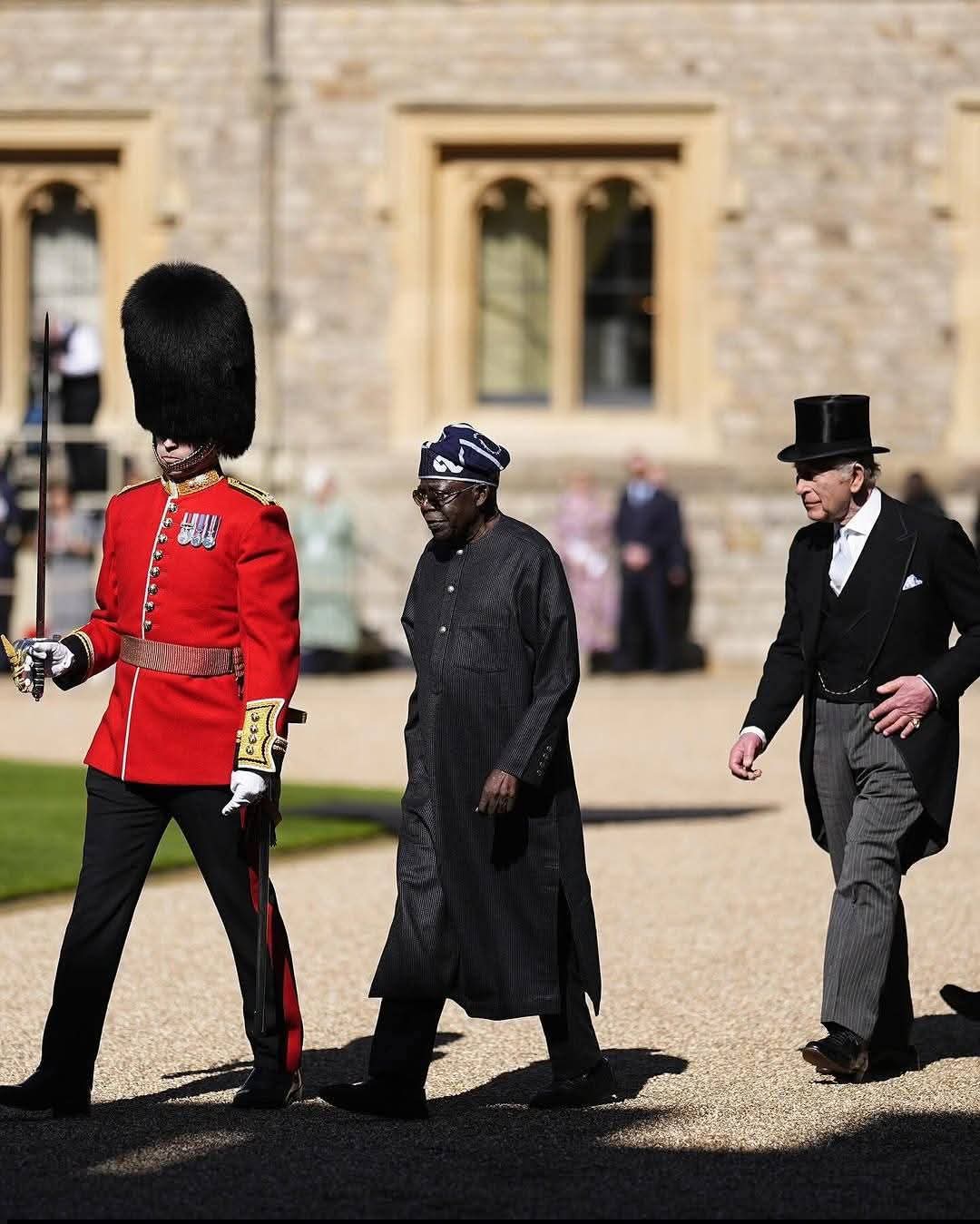
Ordinarily, a state visit is immensely significant. It stands out for the ceremonies, state banquets, guards of honour, meetings, and carriage processions that gives the occasion grandeur. Being the highest level of diplomatic engagement, it is not such a commonplace occurrence. The King of England typically receives only two foreign Heads of State per year. There were two of such in 2024, with the Presidents of France, the United States, and Germany visiting in 2025, and President Tinubu being the only Head of State to have been hosted in 2026 thus far.
Beyond the symbolism of the visits and ceremonials, which are meant to signify the high level of respect and honour between the two countries, nations have learnt not to approach them as business-as-usual ceremonial visits, but as a platform of leverage for long-term benefits by both parties, especially with state visits being one where visiting Heads of state are accompanied by large delegation of ministers, diplomats and business leaders. In this case, President Bola Ahmed Tinubu and his economic team deserve their flowers.
The visit itself coincided with another moment of honour for Nigeria in far away South Africa where my Public Relations Consulting firm, Chain Reactions Africa was receiving a SABRE Africa Award, on behalf of the Presidency in recognition of how we have worked with the Presidential Media and Communications team to use the tools of publics relations and communications to market President Tinubu’s economic reforms programme.
The campaign, fittingly themed, “From Reforms to Recovery” caught the attention of the International jury drawn from different countries across the Continent of Africa. By the way, SABRE is a global public relations award which stands for Superior Achievement in Branding, Reputation and Engagement.
As I sat in my hotel room in Johannesburg watching the Skye News transmission of the first day of the historic visit, I could see one thing –intentionality. The intentionality of a President who was determined to use the opportunity of the invitation by the King of England for place marketing purposes for Nigeria.
Beyond the fanfare, I saw a bullish marketer in President Bola Ahmed Tinubu. He knew the subtle but strategic importance of the spotlight. He understood the crystal-clear message which that single visit would send to the British, European, Chinese and indeed the global investment community. When it comes to place marketing, that is how nations play the game. President Tinubu understands the game. The game is the game.
Place Marketing is a broad strategy aimed at promoting a location, be it city, a region or a country to attract businesses and investors with a focus on economic growth. It is different from Destination Marketing, which is narrower and specifically focuses on attracting tourists by showing attractions and experiences. That was not President Tinubu’s focus on this occasion. His focus was to get a chunk of global capital from the British soil into Nigeria.
Based on McKinsey’s reports from early 2025-2026, the global scramble for capital is estimated at about $24 trillion. That alone is capital ready for deployment over the next five years. This intense demand for capital is aside the global infrastructure investment demand, which is estimated at $104 trillion. With the United States-Israeli and Iranian war, no nation can afford to sit with arms akimbo waiting for global capital to walk in cavalierly. We must fight for it. We must market our strength, while managing our weaknesses. It is what, David Plouffe, Senator Barack Obama’s campaign manager in 2008 presidential election described as “fixing the wings while flying.” No nation led by intelligent leaders ever waits to solve all its internal problems before positioning itself in the global marketplace to fight for attention and for a share of the global capital.
That must have been on the mind of President Tinubu in drawing the agenda for the visit to the UK and putting together the delegation.
During a visit to Nigeria in 2024 by the UK Foreign Secretary, David Larry, the two countries signed a strategic partnership agreement, framed around six pillars, with a focus on the enhancement of trade between the two countries, currently estimated at £8 billion. It therefore did not come as a surprise that the visit by President Tinubu consolidated on this, signing agreements to strengthen economic, trade, and security ties.
Indeed, the UK visit by President Tinubu was not just about one or two deals, as it appears to have been the focus of some commentators. Rather, it is a cluster of interlocking benefits that are long-term in nature, apart from serving as a foundation for the recalibration of the relationship between the two countries, which has not been on as strong a footing as it could be. Especially in light of the increasing overtures by France towards Nigeria, and the Tinubu foreign policy doctrine of strategic autonomy, that has seen Nigeria prioritising economic diplomacy and structuring its engagements more in line with its developmental agenda.
The point really is that the visit ranks high more beyond immediate tangibles and is better appreciated when viewed through the prospects of long-term gains. Other benefits that accrue from the visit include the reinforcement of security and intelligence cooperation between Nigeria and the UK, especially with respect to counterterrorism efforts in the Sahel and the NorthEast of Nigeria, as well as the use of UK technical and training support to strengthen Nigeria’s border and maritime security frameworks, including surveillance and cybersecurity components.
Beyond the powerful symbolic and diplomatic repositioning of Nigeria on the global stage on account of the visit, on the cultural front, the visit provided high profile visibility for Nigerian arts, fashion, and music, in British cultural venues and media, especially through the accompanying exhibitions and meetings between Nigerian creatives and UK cultural institutions. Again, this is bound to yield some medium-to-long term benefits for the Nigerian creative economy ecosystem.
As with most place marketing efforts, it would take time for it to translate into tangible dividends that people will be able to connect with. But the state visit to the United Kingdom by President Tinubu has certainly brought some gains to the table aside others it would still deliver. Again, in the words of Professor Bolaji Akinyemi, “this was not just a signal to Nigerians that we are better than we think we are; it is also a signal to the rest of the world.”
–Israel Jaiye Opayemi is the Founder and Chief Strategist at Chain Reactions Africa
Related posts