


TSC: United Nigeria Chairman Says 5% Charge “Too Much” For Struggling Operators, Calls For Removal
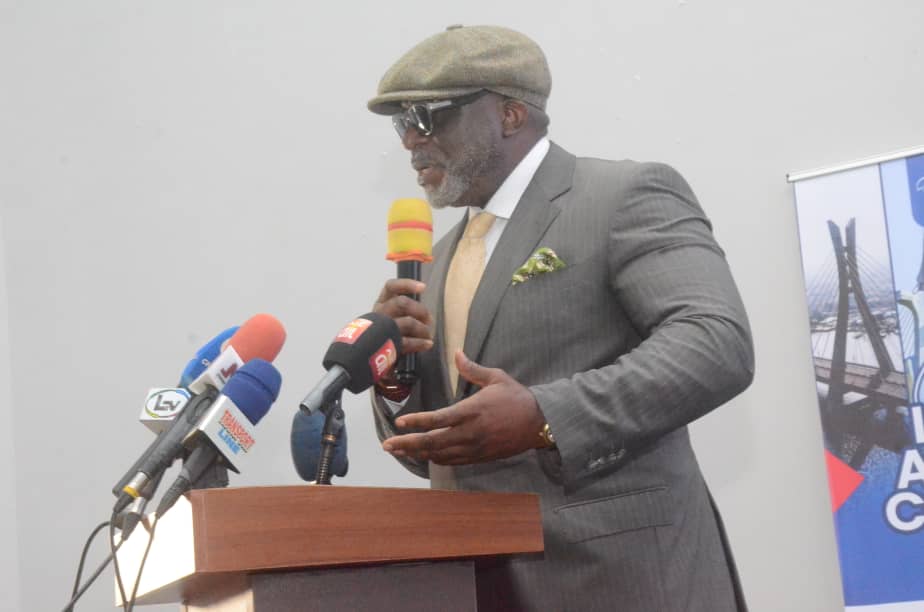
The Executive Chairman of United Nigeria Airlines, Prof. Obiora Okonkwo, on Thursday dismissed allegations that domestic airlines failed to remit the 5 percent Ticket Sales Charge, TSC, to the Nigeria Civil Aviation Authority, NCAA, insisting that operators maintained full compliance until recent labour disputes disrupted the payment plan.
Speaking at the 30th annual conference of the League of Airport and Aviation Correspondents, LAAC, in Lagos themed “Towards a Sustainable Aviation Industry: Balancing government revenue demands with sector growth”, Prof. Okonkwo said airlines had no payment issues with NCAA before February 2026.
“Before February this year, there were no payment problems. All airlines were paying,” Okonkwo stated.
According to him, difficulties began when aviation fuel prices spiked to N3,300 per litre amid the US-Iran crisis in the Gulf. The Airline Operators of Nigeria, AON, of which he is spokesperson, he said, was the first to raise concerns about the burden of regulatory charges during the downturn.
“We wrote to the President, explaining that we could no longer pay these charges. We requested either a complete suspension of charges or temporary relief during the aviation crisis, and the request was granted. The President agreed and waived 30%,” he disclosed.
Following the presidential waiver, Okonkwo said AON held several meetings with NCAA and the Ministry of Aviation to structure repayment of legacy debts.
“In one decisive meeting, NCAA requested that airline operators pay 10% of the legacy debts within a specified period, and then pay the rest in instalments. Each airline was to meet with NCAA’s director of finance,” he explained.
“The airlines complied with this directive. The director met with operators in Lagos and Abuja, and we developed a payment plan. This plan was in place. When you have a payment plan in place, it does not mean you will default. We were making regular payments according to the agreement we had with the NCAA until we heard about the labour union problem,” he said.
To demonstrate commitment, Okonkwo revealed that United Nigeria Airlines opened joint accounts with NCAA at Nigerian banks to enable direct withdrawals. “At United Nigeria, to ensure no issues, we opened joint accounts with NCAA. The account was structured so NCAA could withdraw funds directly without asking us,” he explained.
The AON spokesperson faulted narratives that operators are non-compliant, asking what government has done with monies already remitted.
“When people discuss money not remitted or paid by operators, they fail to mention how much operators do pay. When they talk about unpaid money, I ask: what have you done with all that we have already paid? That is the proof, and that is my concern,” he said.
He added that airlines do not receive adequate value for the charges. “When you take 5% of any business, a business I borrowed money to run, a business that costs me sleepless nights, that is too much for anyone to extract from it. And this is on top of taxes we already pay. The call for removal of this 5% must not stop. It must continue until we remove it. We would not be able to have smooth operations until this is resolved.”
Okonkwo further noted that while airlines pay for specific NCAA services abroad 100% in advance, the purpose of the 5% TSC remains unclear to operators.
Commenting on recent union actions at airports, Okonkwo said the desire to advocate for worker welfare is understandable, but described the protests as “shameful” and damaging to the industry’s image.
“That shameful display at the airport by unions would have brought us to our lowest point if not for the reactions and condemnation from so many gathered here,” he said.
He commended the Aviation Roundtable President and aviation reporters for speaking out, but expressed concern that condemnation did not come from other quarters “that should have known better.”
He maintained that airlines remain among Nigeria’s best-paying sectors and urged stakeholders to focus on policies that will ensure sustainability rather than actions that cripple operations.
Related posts