
West Bank’s Women Live In Fear As Movement Restrictions Reach Two-decade High
MUDASHIRU TAWAKALITU OLUWATOYIN
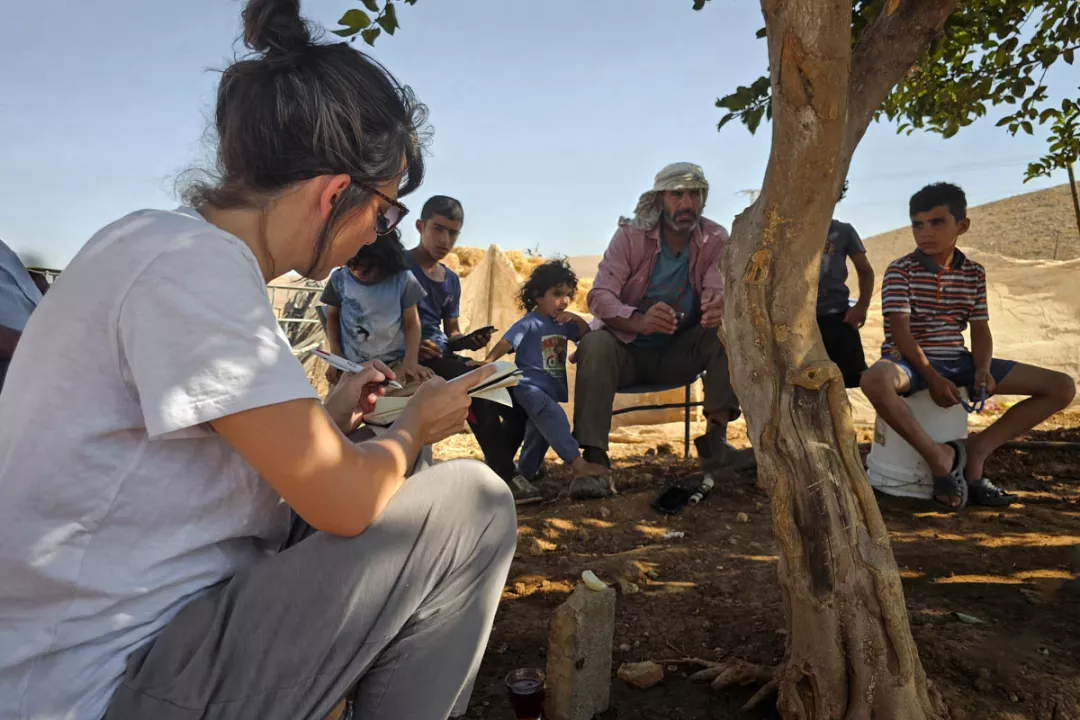
A new analysis from UN Women reveals the extent of daily suffering endured by women and girls across the occupied West Bank. For women who are heads of household, our data show that the impacts of violence, demolition of homes, and movement restrictions are even more devastating.
Settler violence, military operations, and movement restrictions in the occupied West Bank have reached a two-decade high, reinforcing a daily cycle of suffering for women and girls.
- UN Women estimates that some 83,200 households in the occupied West Bank are headed by women – representing one in eight households. This figure is likely an underestimate.
- More than 41,500 people have been displaced (OCHA, July 2026), including more than 20,000 women and girls, based on population breakdowns by gender from PCBS in the West Bank.
- Based on UN Women’s analysis of survey data, among women who are formally recognized as household heads:
- 82 per cent are responsible for managing household income
- 77 per cent are responsible for childcare
- 75 per cent make all decisions about household members’ safety
- 65 per cent handle aid registration alone
- Women household heads are also more likely to be displaced, with 40 per cent of women-headed households no longer living in their original home, compared to 30 per cent of men-headed households.
Checkpoints mean Palestinian women struggle to reach work, collect aid, access healthcare, and move their families to safety without fear.
- There are 925 movement obstacles – including staffed checkpoints, road barriers and trenches – across the occupied West Bank – the highest number recorded in two decades. Forty per cent of all checkpoints are located in the H2 area of Hebron city.
- Nearly nine in ten women heading households interviewed stated that checkpoints make travel feel unsafe. More than half say movement restrictions are blocking their access to livelihoods.
- Every woman heading a household interviewed reported avoiding checkpoints altogether.
Displaced women-headed households report being unable to meet basic needs, with insufficient access to cash, food, clothing, hygiene supplies, and shelter needed for survival, alongside heightened fears of violence and security concerns for their children.
- One in five women household heads report fear of gender-based violence – more than double the rate among women living in male-headed households. This sits within a wider picture of insecurity, in which more than three-quarters of Palestinians in the occupied West Bank report feeling unsafe in daily life.
- UN Women’s analysis found that women heading households – navigating checkpoints, collecting humanitarian assistance, and moving through public spaces – are disproportionately exposed to harassment, intimidation, and risks of gender-based violence.
One in four women-headed households receives no humanitarian assistance at all, compared to nearly half of male-headed households.
- Over half of women-headed households with chronic illness report unmet cash needs; two thirds are coping by taking out loans; and half are skipping meals altogether.
- Among those who do receive humanitarian assistance, cash remains the single largest unmet need. More than 70 per cent of survey respondents said they had not been consulted over the past year on how, when, or where to deliver aid.
- Nearly two thirds of women household heads report chronic illness among household members – compared to 41 per cent of male-headed households.
- More than a quarter of women heading households report having a disability. These vulnerabilities directly reduce a household’s capacity to generate income whilst increasing the demand for care, medicines, transport, and health services.
UN Women calls for immediate action to end the violence, movement restrictions, and home demolition in the occupied West Bank, including East Jerusalem – and to protect women and girls, and all civilians, in line with international law.
UN Women calls for dedicated support for women-headed households – support that is disability-inclusive, and combines livelihoods, social protection, health, shelter, and protection services.
UN Women is on the ground in Palestine. We work with women-led organizations across the occupied West Bank providing psychosocial support, protection services, legal assistance and access to aid.
Related posts