

When Opposition Loses The Plot: Dele Momodu, Politics Of Animosity And The Burden Of Responsible Criticism
OMOGBOLAHAN L.A. BABAWALE
There is a world of difference between being an opposition figure and becoming an indiscriminate adversary or an antagonist of an incumbent administration. The former is an indispensable component of democratic governance; the latter risks reducing political engagement to a perpetual exercise in hostility, where everything about the government is wrong, every decision is suspect and even developments deserving objective consideration are dismissed through the prism of political antagonism and cynicism.
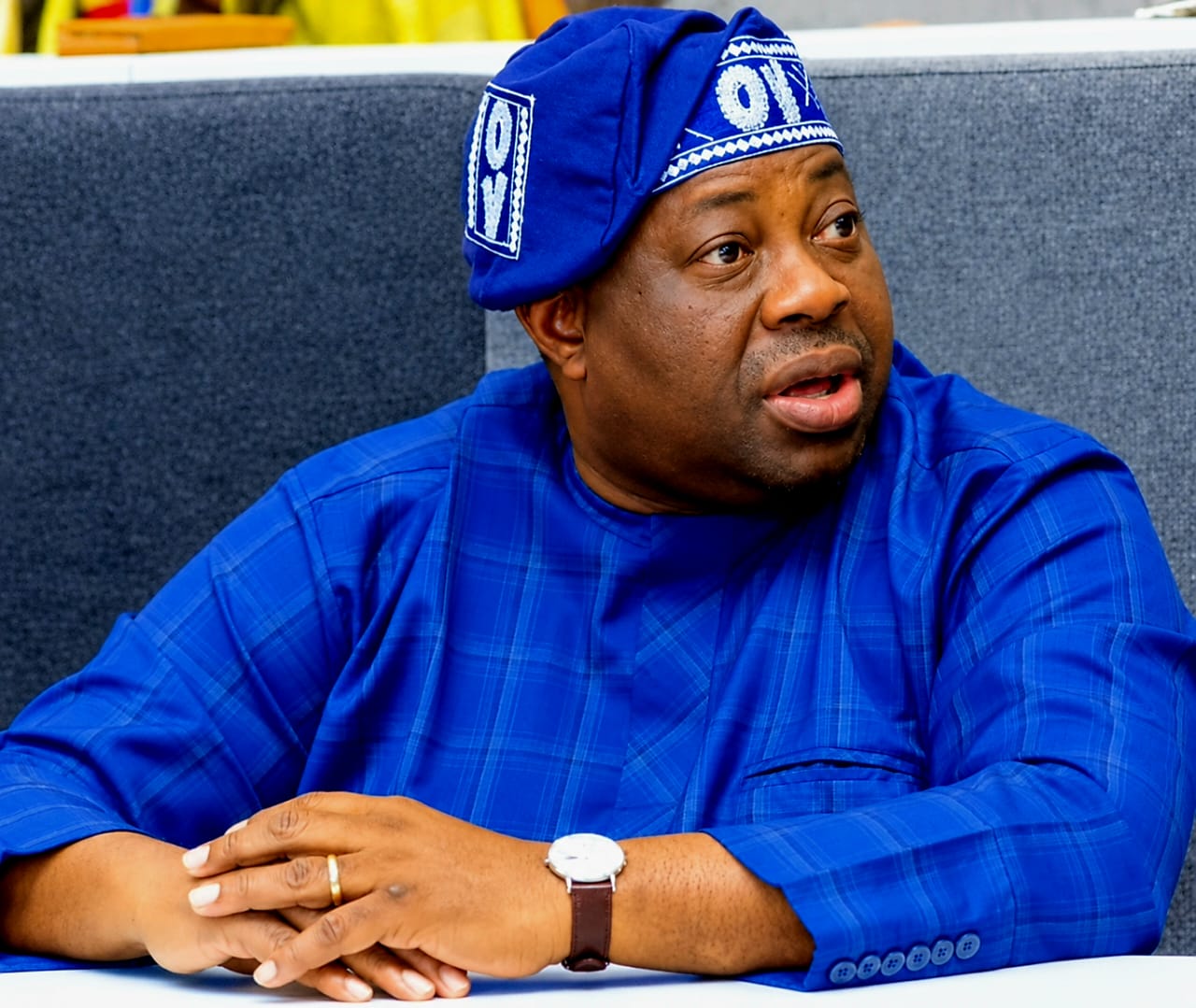
This distinction appears particularly relevant in examining some of the recent public interventions of a ‘before before’ journalist and publisher, Dele Momodu, especially his latest appearance on Channels Television’s Politics Today last night, November 19, 2026. Momodu who is the Deputy Director-General, Media & Communication of the African Democratic Congress (ADC) did not disappoint in his usual idiosyncratic demeanour of virulence, aspersions, and endless acridity.
Let me make one thing abundantly clear. Opposition is neither a crime nor an inconvenience in a democracy. Indeed, a government without a credible opposition risks becoming complacent, while an opposition without the freedom to interrogate government policies would render democratic accountability considerably weaker. However, opposition must come with responsibility. You do not oppose a government simply because you dislike the person occupying the presidential seat. Neither should political disagreement become an excuse for abandoning objectivity, intellectual honesty and the elementary obligation to acknowledge facts, irrespective of whose political interests they serve.
I quipped, what went wrong? From admiration to relentless criticism. What could have gone wrong? What makes Momodu’s present disposition towards President Bola Ahmed Tinubu particularly interesting is the contrast with some of his earlier public assessments of the same individual. In an October 26, 2019 article, Momodu described Tinubu as eminently qualified to contest the presidency. He acknowledged his ability to identify and nurture brilliant minds, described him as naturally smart and fearless, and recognised qualities he considered significant to political leadership.
To be fair, Momodu subsequently clarified that his complimentary assessment was not an endorsement of Tinubu’s presidential ambition. He also explained that political developments and his disagreements with the Buhari administration had influenced his subsequent position. That clarification is important. Nobody is under any obligation to maintain a political affinity simply because they once admired a politician. Political opinions can evolve, relationships can deteriorate, and previously held assessments can legitimately change.
But then, here lies the more fundamental question. At what point does legitimate political disagreement become so personalised that it begins to overshadow objective scrutiny of governance? This is a question worth asking, particularly when some of Momodu’s subsequent commentaries about Tinubu have been characterised by exceptionally severe language, billingsgate, vitriol, and persistent personal criticisms.
A politician’s policies, decisions and performance are legitimate subjects of public interrogation. But criticism becomes less illuminating when the personality of the officeholder increasingly overshadows the substance of the issues being discussed, especially when rhetoric becomes an indictment of democratic institutions
In his November 19 Channels television appearance, Momodu made an especially consequential assertion. He claimed that the judiciary, legislature and executive were all afraid of President Tinubu. He also described governors as robots, suggesting that they had lost their political independence and authority. Is there any other jabberwocky or gobbledegook that could more than this from a so-called intellectual?
Momodu’s words are extraordinarily sweeping allegations. If a prominent opposition figure like the former presidential candidate believes that the three arms of government have become intimidated by the Presidency, the Commander-in-Chief in particular, then, Nigerians deserve to know the specific circumstances supporting such a conclusion. Otherwise, it remains a taradiddle that is best spoken by a toddler in an adult body and should be trashed.
Which judicial decisions demonstrate presidential intimidation? What legislative actions establish that the National Assembly has surrendered its constitutional independence? What identifiable evidence shows that the executive, beyond the President’s own constitutional leadership of that arm, is operating under an atmosphere of intimidation? These are not trivial questions. They concern the constitutional architecture of the Federal Republic and the confidence citizens place in their democratic institutions.
The independence of the judiciary, the legislature and the executive must (be) and has hitherto been protected under this administration. Any credible evidence of institutional intimidation deserves serious investigation. But, allegations of this magnitude should not be presented as settled realities without adequate substantiation. Likewise, political defections by governors may invite legitimate questions about party loyalty, political calculations and the health of multiparty democracy. Yet attributing every defection to presidential intimidation, without examining the individual circumstances, risks replacing analysis with generalisation.
One would have expected the opposition to offer more than denunciation though. But then, there is another dimension that deserves consideration. Nigeria is not without her challenges. The economic consequences of subsidy removal, the cost of living, unemployment, insecurity and the pressures confronting ordinary households are legitimate issues that government and opposition alike must confront. No responsible commentator should trivialise the difficulties experienced by citizens. Neither should government supporters interpret every criticism as hostility towards the President.
However, the opposition equally has a responsibility to offer more than denunciations. Nigerians deserve alternative policy prescriptions, credible arguments, constructive scrutiny, and a demonstration of how competing approaches might address the country’s challenges. It is not enough to tell citizens that everything is wrong. A credible opposition should also explain what it would do differently, how it would do it, and what evidence supports its proposed alternatives.
This is particularly important when the country is approaching another electoral cycle and political actors are understandably intensifying their public engagements. The burden of public responsibility is on Momodu as an accomplished media personality whose contributions to Nigerian public discourse span several decades. His experience and visibility make his interventions consequential, particularly when delivered on national television. That visibility comes with responsibility.
One does not have to be a supporter of President Tinubu to acknowledge a demonstrable achievement of his administration. Equally, one does not have to belong to the opposition to identify legitimate shortcomings in government policies. Political maturity requires the capacity to separate personal preferences from public interest.
Our democracy, just like in any other part of the world can not thrive when political loyalty becomes the measure of truth, or when personal disagreements determine whether an argument deserves consideration. The President must be accountable. Yes, I agree 100%, but should not the opposition be scrutinised, too?. The legislature must exercise its oversight responsibilities, and the judiciary must remain independent. None of these obligations should be compromised by partisan considerations.
Ultimately, the question is not whether Dele Momodu has the right to criticise President Tinubu. He unquestionably does. The more important question is whether the substance, consistency and evidential foundation of his criticisms meet the standards expected of someone participating in national political discourse. _Opposition is a democratic responsibility, not a licence for animosity._ Political disagreement is legitimate, but intellectual honesty must remain non-negotiable. And no one should have to manufacture an atmosphere of national institutional collapse to establish their credentials as an opposition figure.
Nigeria needs an opposition that challenges power without fear, scrutinises authority without favour, and holds government accountable without abandoning the responsibility to be fair.
That is the essence of democratic opposition. And that is the standard every participant in our national political conversation, irrespective of party affiliation, should be prepared to meet.
Omogbolahan L.A BABAWALE
Public Affairs Analyst
Life Camp, Abuja
officialczar2@gmail.com
Related posts