KINGSLEY EBERE
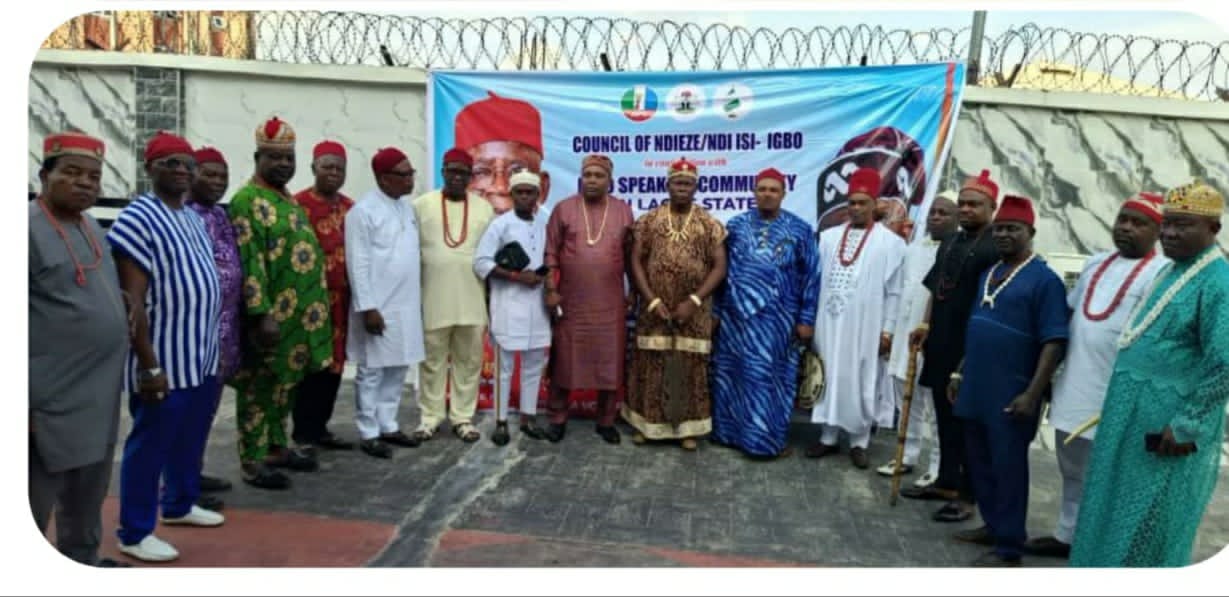
The Council of Ndi Eze and the Igbo Speaking Community’s endorsement of President Bola Tinubu for a second term in 2027 has triggered debate across the Igbo political and socio-cultural circles, with several prominent leaders saying the decision “does not represent the position of Ndigbo”.
On Tuesday, the Council of Ndi Eze, a body of traditional rulers and Igbo leaders in the diaspora and across Nigeria, declared support for President Tinubu’s re-election bid. The council cited “ongoing reforms and inclusiveness in federal appointments” as reasons for the endorsement.
But within hours, the endorsement was met with pushback from other Igbo stakeholders, politicians, and socio-cultural groups who argue that no single body can speak for the entire Igbo nation ahead of 2027.
Several Igbo leaders who spoke to P.M.EXPRESS said the Council of Ndi Eze acted unilaterally without consulting wider stakeholders.
A chieftain of Ohanaeze Ndigbo, who pleaded anonymity, said: “Ndi Eze are respected personalities, but they cannot wake up and endorse a candidate for over 40 million Igbos without a general assembly. 2027 is too important for such a unilateral declaration”.
Another reason for the rejection is fear of political isolation. Critics argue that an early endorsement of Tinubu could weaken the South East’s bargaining power in 2027 and shut doors to negotiations with other presidential hopefuls.
“It is strategic to keep our options open,” a former federal lawmaker from Enugu said. “Endorsing now is like putting all our eggs in one basket when the election is still months away.”
Some Igbo leaders also cited unresolved issues affecting the South East under the current administration, including insecurity, infrastructure, and perceived marginalization in key appointments.
“For many of us at home, we are still dealing with sit-at-home, poor roads, and economic hardship,” said a civil society leader in Owerri. “How do you endorse first and ask questions later?”
The controversy also highlights a generational split. While older traditional rulers in the diaspora are leaning toward alignment with the center for “federal benefits,” younger politicians and activists are pushing for a more collective, consensus-driven approach in 2027.
Ohanaeze Ndigbo is expected to hold an emergency meeting in the coming days to harmonize positions and present a united front ahead of 2027.
For now, the endorsement by Ndi Eze has done one thing: it has forced Ndigbo to debate 2027 earlier than expected.
Whether that debate ends in unity or deeper division remains to be seen.
What do you think? Should Ndigbo endorse Tinubu early, or wait? Drop your thoughts in the comments.