

Gabon’s New Hydrocarbons Code: A Bold Step Into The Future
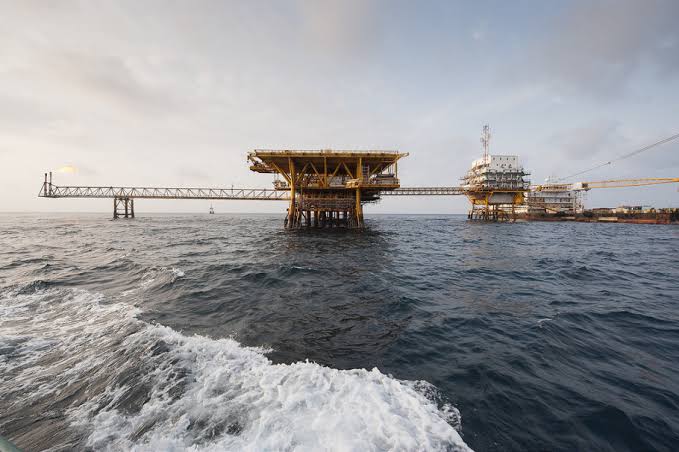
The onset of the COVID-19 pandemic dampened global demand for oil and natural gas, disrupted the flow of capital, and slashed expansion plans across the hydrocarbons industry. As a result, licensing rounds in many African countries have suffered from a lack of investor interest.
Despite these challenges, Gabon has emerged as a preferred destination for energy investors and majors due to investor-friendly reforms epitomized by the new Hydrocarbons Code introduced in 2019.
Hailed as a new dawn for investors, the new code quickly attracted private sector interest as an unprecedented 12 new oil production-sharing deals were signed in the weeks following the rollout of the new regulations. Malaysia’s state-owned Petronas was among the first energy majors to step up, acquiring exploration rights to two offshore blocks that authorities had previously failed to auction in 2014. Backed by US-based private equity firm Carlyle Group, Assala Gabon also bagged licenses for three exploration blocks. Meanwhile, China National Offshore Oil Corporation (CNOOC) raised its stake in two offshore blocks from 25% to 100% as it bought out Shell’s share in the venture. CNOOC has also announced plans to invest a further $30 million in exploration activities in the country.
The heightened interest in Gabon is largely attributable to the deregulation of its hydrocarbons sector, which is a core aim of its recently enacted reforms. The maximum limit for state participation in production sharing contracts (PSCs) has been reduced from 20% to 10%. Similarly, the state’s share of the profit from natural gas exploration activities has also been limited to 10%.
Besides providing a quicker path to profitability for prospective investors in both offshore and onshore ventures, the reform also reduces their financial burden and allows them greater control over operations through a range of fiscal incentives. The prevalent corporation tax in the country is 35% but has been cut to zero in the case of the hydrocarbon industry. State royalties for the sector have also seen sizeable reductions from around 15% to as low as 2% for offshore exploration and drilling activities. Certain axes on onshore mining activities have also been lowered.
Due to these and other reforms, cost recovery has improved significantly, including from 75% to 90% for offshore fields. In the case of shallow water oil and gas fields, this ratio has increased from 65% to as high as 80% with the introduction of the new code. Coupled with the reduction in state royalties, experts believe these measures have lifted the valuation of Gabonese oil and gas reserves by around 40% for current and prospective investors because international oil companies are now able to retain a larger proportion of profits and earn a higher return on investments. Concurrently, authorities are also expediting the collection of seismic and well data to arm potential operators with the information they need to make their investment decisions.
The economy has remained heavily reliant on the oil industry for government revenues and exports, of which oil represents up to 80% of the total. But its output has been waning for years and some industry giants have exited the country. With its attractive new fiscal incentives and a liberalized market, Gabon is hoping to reverse this decline while also propelling the natural gas sector, which is a centerpiece of the country’s economic strategy.
Related posts