Recapitalisation Explained —Where Access, FCMB And Others Fit
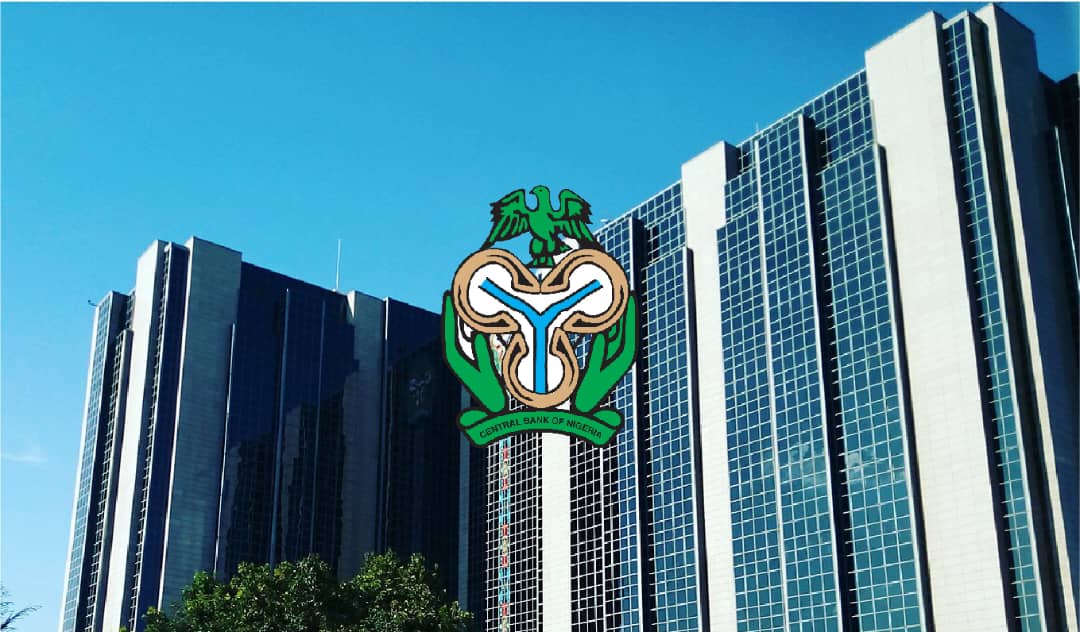
Nigeria’s banking sector is being reshaped by one of the most ambitious recapitalisation programmes in its history.
If you bank, invest, or do business in Nigeria, understanding how this works and where each bank stands matters.
In 2024, the Central Bank of Nigeria raised minimum capital requirements and introduced three banking “tiers”: regional, national, and international.
Banks have until March 31, 2026, to comply.
Here’s what that means:
International banks need ₦500 billion in paid-up capital
National banks need ₦200 billion
Regional banks need ₦50 billion
Paid-up capital is key. Retained earnings don’t count.
Several banks, including Access Bank, Zenith Bank, GTBank, UBA, Fidelity Bank, and First Bank of Nigeria, have already met the ₦500 billion threshold and secured international licences.
Others, such as Stanbic IBTC, Citibank Nigeria, and Wema Bank, have secured national licences and appear focused on domestic operations.
First City Monument Bank, a subsidiary of FCMB Group Plc, sits between these groups. In 2024, it raised ₦147.5bn in a public offer, pushing its banking subsidiary above ₦200bn in paid-up capital and securing its national licence. That means FCMB’s core banking operations are not at risk under the new rules.
The bank is now raising additional capital to reach the ₦500bn mark required for an international licence.
This includes further share sales and shareholder-approved funding options. Regulatory review is ongoing.
Why does this matter to customers? A bank’s licence affects what it can do.
International banks can finance cross-border trade and large projects. National banks focus on domestic lending. Both are viable models.
For FCMB customers, the national licence already ensures continuity.
The international licence would expand services beyond Nigeria into the rest of Africa and the world.
The recapitalisation is also driving mergers, downgrades, and niche strategies across the sector, making Nigeria’s banking system more structured and transparent.
By 2026, the system will be stronger, not because every bank has become international, but because each has chosen a sustainable path.
Related posts