

NAFDAC Begins Crackdown On Sachet Alcohol, Cites Risks to Children and Youth
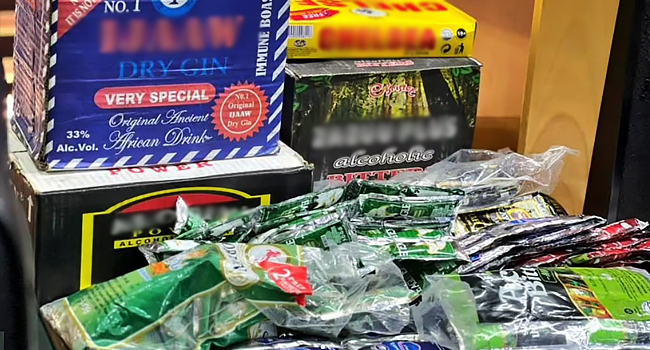
The National Agency for Food and Drug Administration and Control (NAFDAC) has commenced full enforcement of the ban on the production and sale of alcohol packaged in sachets and polyethylene terephthalate (PET) bottles below 200 millilitres, following a resolution of the Nigerian Senate.
The Director-General of NAFDAC, Prof. Mojisola Adeyeye, disclosed this on Wednesday in Lagos during a media briefing organised by the agency.
According to the News Agency of Nigeria (NAN), NAFDAC had on November 11, 2025, announced plans to begin enforcement of a total ban on the affected products by December 2025, in compliance with a directive issued by the Senate.
Adeyeye explained that the agency has now received a fresh formal authorisation from the upper legislative chamber to proceed, adding that enforcement actions have already commenced nationwide.
The Senate resolution of November 2025 followed a motion sponsored by Senator Ned Nwoko (Delta North), which was debated during plenary earlier this year.
In moving the motion, Senator Nwoko raised concerns over the widespread availability of high-alcohol-content drinks packaged in sachets and small bottles, warning that their low cost and ease of concealment posed serious public health and social risks, particularly to minors and young adults.
The motion, which enjoyed broad bipartisan support, was debated by lawmakers who expressed alarm at rising cases of alcohol abuse among school-age children and youths.
The Senate subsequently adopted the motion and resolved to direct NAFDAC to enforce existing regulations prohibiting the sale of alcoholic beverages in sachets and small-volume containers.
Speaking at the briefing, Adeyeye said the enforcement drive is aimed at safeguarding public health and protecting vulnerable groups, especially children, adolescents, and young adults, from the harmful effects of alcohol consumption.
“The proliferation of high-alcohol-content beverages in sachets and small containers has made such products easily accessible, affordable, and concealable,” she said.
She added: “We have already started the enforcement to ban alcohol production in sachets and bottles below 200ml after receiving the order from the Senate. NAFDAC is not against alcohol, but we are against its proliferation in high concentrations in sachets and small bottles, which makes it easy for children to access.”
Adeyeye noted that before her tenure, some sachet alcohol products contained between 50 and 90 per cent alcohol, describing the levels as dangerously high and detrimental to public health.
She said NAFDAC had previously directed manufacturers to reduce alcohol content to 30 per cent, but many resisted the directive, citing concerns over job losses and potential investment setbacks.
According to her, the matter was escalated to the Federal Ministry of Health, which subsequently granted manufacturers a five-year transition period from December 2018 to January 31, 2024, to restructure their operations and comply with regulatory standards.
Adeyeye reaffirmed the agency’s commitment to protecting public health, stressing that NAFDAC would continue to prioritise the safety of vulnerable populations through sustained regulatory enforcement.
Related posts