


At International Women’s Day In Lagos, French Consul General Reveals How Robust Is France-Nigeria Relationship

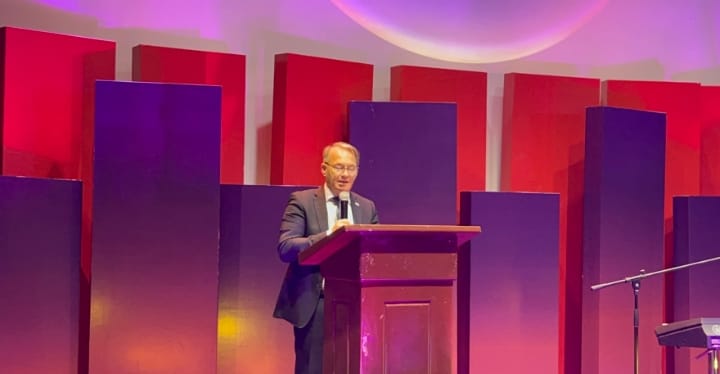
<strong><em>Ambassador Laurent Favier, French Consul General in Lagos</em></strong>
Laurent Favier, the Consul General of France in Lagos, has described the relationship between France and Nigeria as a vibrant and growing partnership.
Speaking at an event organised to mark the 2026 International Women’s Day held at the Alliance Française in Ikoyi, Lagos on Wednesday, Favier said that “Nigeria and France are closely collaborating on global challenges — ranging from gender equality and climate action to security and artificial intelligence. On a bilateral basis, more than 100 French firms operate in Nigeria, providing around 16,000 direct jobs and a multitude of indirect opportunities,” he mentioned.
He further explained that their collaboration spans multiple sectors, including energy, technology, agriculture, and agribusiness.
“We take great pride in our presence in Nigeria. We share numerous common goals, and the future of this partnership holds even greater potential,” he declared.
On the theme of the event jointly put together by the French Embassy in Nigeria with the Ooni of Ife’s Non-Governmental Organisation (NGO), Hopesalive Initiative for Africa, and HUFFPED, the Consul General noted that the Art X Impact Campaign is in line with continental goals, such as the African Union’s Agenda 2063, while emphasizing the significance of cultural diplomacy in driving social change.
By utilizing artistic expression and fostering grassroots collaborations, the initiative aims to boost public awareness and engagement with policies regarding gender equality.
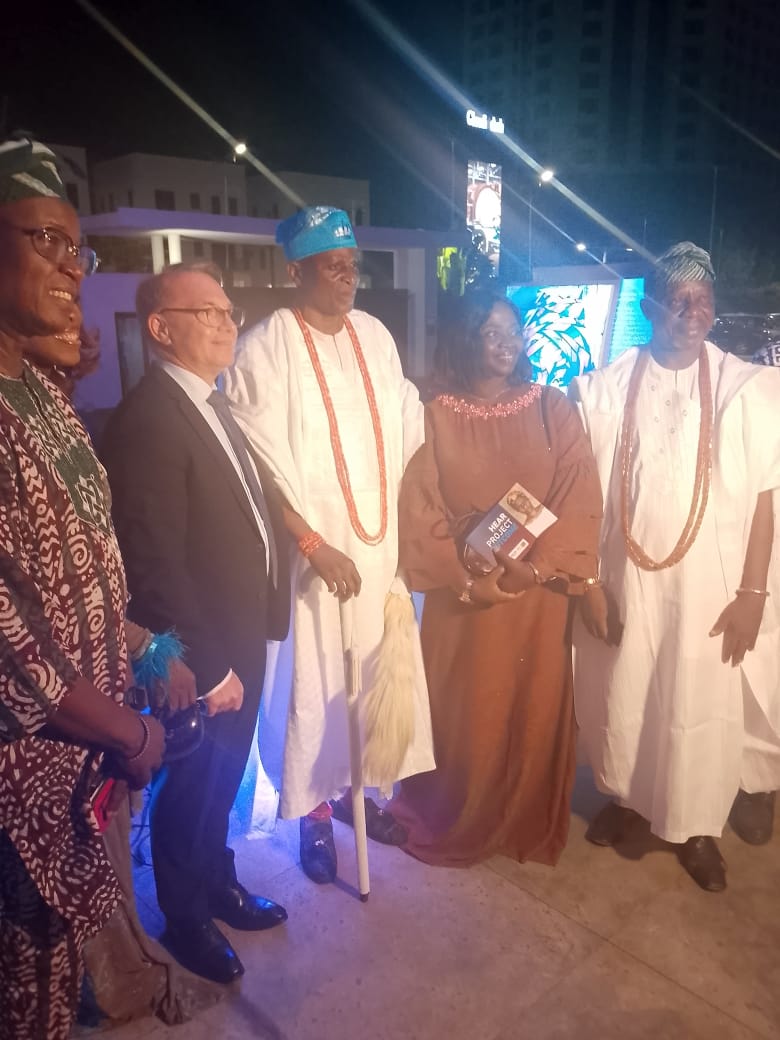
Favier portrayed the program as a strategic manifestation of France’s foreign policy focused on feminist diplomacy.
“It is a tremendous privilege to address you this evening on the occasion of International Women’s Day—a global event that calls us to acknowledge our collective duty to advocate for all women and girls,” he remarked.
He stressed that gender equality is essential for achieving sustainable development and effective governance.
“Gender equality is not just an isolated target. It is crucial for alleviating poverty, fostering sustainable development, and establishing good governance,” he continued.
He indicated that the civil society fund symbolizes not just a developmental initiative but also a political and institutional declaration regarding the Franco-Nigerian partnership.
“This fund intentionally reflects the type of collaboration France aims to establish with Nigeria—rooted in trust, shared learning, and collaborative creation. The initiative has been crafted in direct response to the priorities articulated by Nigerian civil society organizations,” Favier explained.
He elaborated that France’s role is to support rather than dictate.
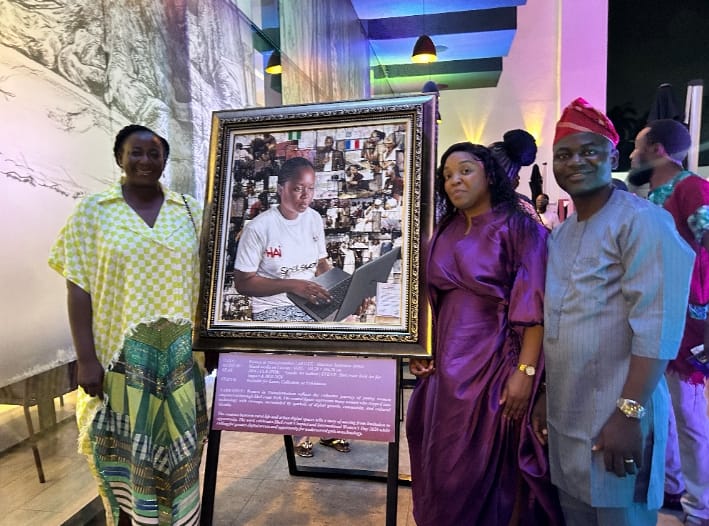
“Our perspective is that we are companions—dedicated to empowering local leadership and expertise. When solutions are founded on rights, driven by communities, and owned locally, their effectiveness tends to be lasting,” he stated.
Emphasizing the results achieved thus far, Favier noted the extensive reach and tangible benefits of the program.
Supporting initiatives across sixteen states has showcased remarkable diversity and creativity. Funding gender equality and women’s economic empowerment should not be viewed as an act of charity. Its positive influence spreads from individual households to community levels, local economies, and the larger economic landscape,” he noted.
He urged those from public, private, and civic sectors to engage actively with the empowerment agenda.
“Consider how you might utilize your skills, enhance visibility, open up networks, provide training, hire talent, or develop corporate responsibility plans. If you need guidance on where to start, the French Embassy is prepared to facilitate connections,” he stated.
For many participants, the launch signified not only a celebration of women’s accomplishments but also a renewed appeal for shared accountability.
Favier determined that realising gender equality demands the involvement of every part of the community.
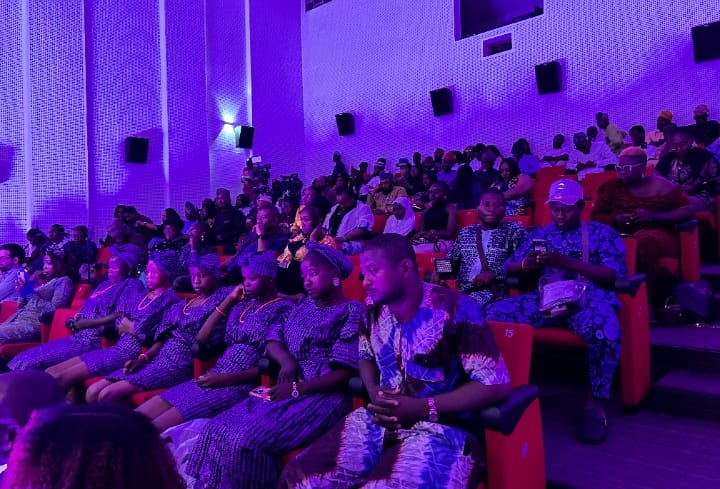
“It goes beyond just fairness,” he noted. “It is crucial for advancement.”
The campaign builds upon the successes of the French Embassy Fund for Civil Society Organisations (FEF-OSC)—a leading initiative that supports women’s economic empowerment, climate adaptation, peace promotion, and the combating of gender-based violence.
In partnership with Nigerian civil society organisations and the Federal Ministry of Women Affairs, FEF-OSC has backed 21 projects across 16 states, illustrating what officials term the effectiveness of approaches driven by the community.
Related posts