


From Chibok to Oriire: 11 Years of Kidnap-for-Ransom and Bloodshed in Nigeria
ADEWUNMI BASHIRU AGUNLOYE
On May 15, 2026, gunmen rode into the Oriire Local Government Area of Oyo State and abducted dozens of students, pupils, and teachers. Days later, videos surfaced of captives begging the government to meet the kidnappers’ demands, while the Nigeria Union of Teachers shut down schools in protest.
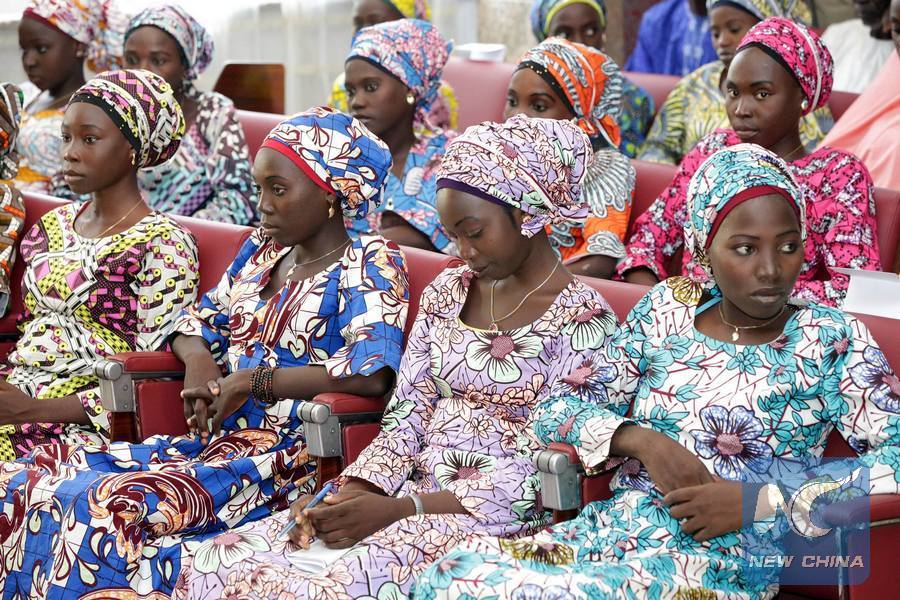
Twelve years earlier, 276 schoolgirls were abducted from Chibok, Borno State. This abduction woke the world to the existence of Boko Haram. However, it also marked the beginning of an era in Nigeria, where human captivity became commerce. Under President Muhammadu Buhari and President Bola Tinubu, kidnapping for ransom evolved from isolated crimes into an industry measured in blood that is estimated to be worth multi billions of naira.
Between July 2024 and June 2025, SBM Intelligence, an Africa-focused market and security intelligence-gathering and strategic consulting firm, recorded 997 kidnapping incidents. According to the firm, at least 4,722 people were abducted that year. N2.56 billion was paid as ransom. A total of 762 people were killed, 563 of whom were civilians. The Northwest accounted for 62.2% of the victims, with Zamfara reporting 1,203 abductions in one year.
Kidnapping for ransom on a commercial scale spread to all 36 states and the Federal Capital Territory, Abuja, in 2011. However, the Buhari administration from 2015 to 2023 saw it explode. By 2020, kidnappers had collected at least $18.5 million in ransom over the previous decade. The crisis did not slow down under Tinubu. Amnesty International reported that 1,100 people were kidnapped in northern Nigeria in just the first three months of 2026.
Kidnapping in Nigeria started with militants in the Niger Delta targeting oil workers to gain political leverage. By 2011, it had become commercial. Under Buhari, the targets changed to include highways, schools, villages, churches, and mosques.
Schools are perfect targets. Children create maximum panic, bargaining power, and political pressure. In March 2024, over 200 pupils were kidnapped in Kuriga, Kaduna State, Nigeria. 137 were later freed after a military operation. On Friday, May 15, 2026, coordinated attacks were carried out across three schools in Oriire Local Government of Oyo State, where armed men abducted 39 students and seven teachers. The pattern is identical: soft targets, mass abduction, viral videos, and negotiation.
Religious leaders are now prime targets. The Catholic Church’s ability to pay quickly made priests more attractive. The Fides Agency reported that 145 priests were kidnapped and 11 killed between 2015 and 2025. “Kidnappers are now targeting religious leaders, especially Catholic priests because the Church easily makes payments with less negotiations,” said retired Navy Captain Bem Hembafan, who runs a private security firm in Abuja.
According to SBM Intelligence, kidnapping in Nigeria is a “Locust Business,” a criminal industry, not just insecurity.
In Nigeria, from 2024 to 2025, kidnappers demanded ₦48 billion but collected ₦2.57 billion, which is a 5.3% “collection rate.” However, the industry thrives because the cost of doing business is lower than the profit. Kidnappers know which roads are weak, which villages are exposed, and which schools are soft targets.
The National Bureau of Statistics survey of 2024 estimated 2.24 million kidnapping incidents between May 2023 and April 2024, with ₦2.23 trillion paid in ransom. 65% of affected households paid, averaging ₦2.67M per incident. The report was later controversial and was removed from the NBS website, but the figures sparked a national debate.
Families sell land, borrow, beg relatives abroad, or empty their lifetime savings. Still, many who cannot raise ransom fast enough are killed. Catholic priest Sylvester Okechukwu was kidnapped and murdered on March 25, 2025. The 76-year-old Army Major Joe Ajayi died in captivity in Kogi.
The Northwest region is ground zero. Zamfara: 1,203 abductions. Katsina: 131 incidents, highest in the country. January 18, 2026, Gunmen stormed two churches in Kaduna and abducted approximately 163 Christians.
Violence is spreading to the south. The Southeast and South-South face targeted religious abductions and financial extortion, respectively. The Southwest had the lowest share of incidents at 5.3%, but the recent coordinated attacks in Oriire show that no place in Nigeria, be it north, south, east, or west, is safe.
In Kwara State in 2026, gunmen killed over 200 people in Woro Village and abducted 176, including a two-year-old.
The government often lives in denial, recently insisting that kidnap-for-ransom has “ceased.” However, data show that the dark economy swelled to N2.56B, with the government itself negotiating and paying ransom.
In 2022, a law banning ransom payments was enacted. According to experts, this worsened the situation. The 2026 security budget allocated N500M for 50 attacks per week, but less than 3% of security projects were executed.
According to Amnesty International Nigeria’s director, Isa Sanusi, estimates of the number of abductions vary, and some of the commonly cited figures vastly understate the scale of the problem.
From the 276 girls in Chibok in 2014 to Oriire’s classrooms in 2026, the thread is the same. Abduction, ransom, and death. As Amnesty International put it, “Apart from killing people, gunmen are now on a rampage of abductions, largely for lucrative ransom.”
The question Nigeria has avoided for 11 years is no longer whether kidnapping is a crisis. It is whether the country has normalized captivity as commerce.
Adewunmi Bashiru Agunloye, Public Affairs Analyst can be reach at bagunloye@gmail.com
Related posts