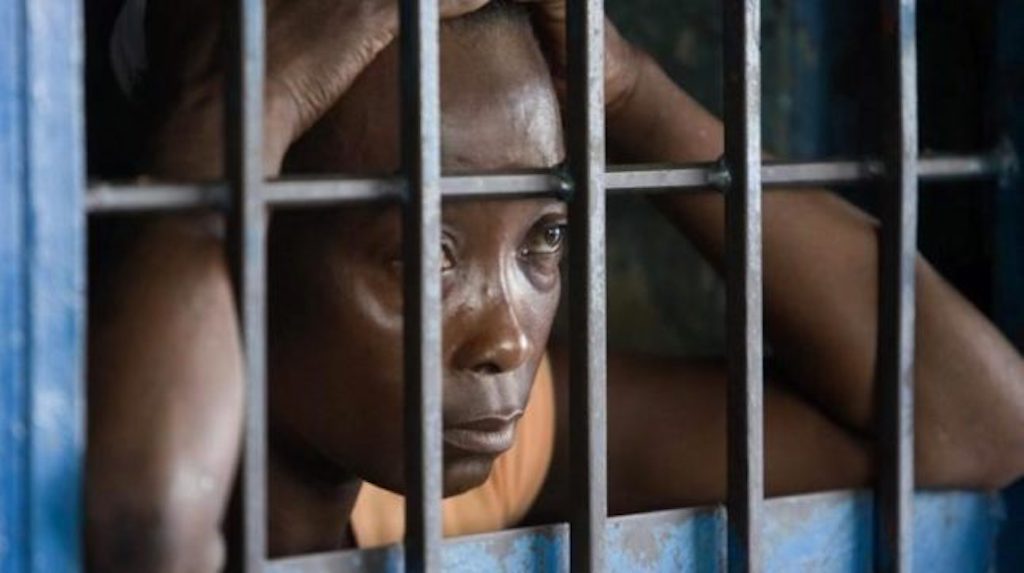
While the journey out of incarceration is celebrated as a moment of triumph for many, a silent crisis is unfolding within the female wings of Nigerian correctional centres. For many female inmates, the opening of the prison gates brings a terrifying reality: a society that refuses to forgive them, families that disown them, and a world where reintegration feels impossible.
Behind the walls of custodial facilities like the Kirikiri Female Custodial Centre in Lagos, reformatory initiatives have quietly transformed lives. Yet, prison officials and welfare organizations warn that without community acceptance, the skills acquired behind bars mean very little once an inmate steps back into the outside world.
To understand the depth of this crisis, one must look at the women who have lived through it. Their experiences show that the punishment for a female offender rarely ends when her sentence expires.
Take the case of Funmilayo (not her real name), a 34-year-old mother of two. She served a three-year sentence in Lagos for a financial dispute. While inside, she completely reformed, dedicating her time to learning catering and industrial baking.
“The day I was released, I thought my nightmare was over,” Funmilayo shared during a recent advocacy follow-up. “But when I got back to my family house in Mainland Lagos, my own siblings locked the gate. They told me I had brought irreversible shame to the family name. My husband had already taken my children and moved to another state, telling them their mother was dead. I had a certificate in catering, but no roof over my head and no one to buy my bread. I sat on the pavement and wept, wishing I was back inside my cell where at least I had a place to sleep.”
A similar fate befell Blessing (not her real name), 26, who spent eighteen months in custody. She utilized her time to become an expert wig maker and hair stylist under the prison’s vocational programmes.
“I saved up a little money from sewing caps for inner-prison trade,” Blessing explained. “When I came out, I tried to rent a small shop space in an open market. The moment the local market association found out I was an ex-inmate from Kirikiri, they canceled my rent agreement. They openly called me an ‘ex-con’ and said I would bring bad luck and criminality to their market. If society will not allow us to use the honest skills we learned inside, how do they expect us to survive without returning to crime?”
The tragedy of this stigma is that many of these women undergo profound personal reformation while serving their time. Under the current Nigerian Correctional Service Act, vocational training programmes have expanded significantly to equip women with high-demand financial skills.
Inside the female wings, inmates are trained in:
Advanced Fashion Design and Tailoring
Industrial Catering and Pastry Making
Hair Dressing, Cosmetology, and Wig Making
Tie-Dye (Adire) Textile Production
Many inmates become highly proficient, producing high-quality goods and earning stipends through internal prison cooperative programmes.
However, the National Public Relations Officer of the NCoS, CSC Jane Osuji, previously pointed out that the barrier is rarely a lack of skill, but a lack of public patronage once the women are discharged.
“They learn these trades in custody and begin to earn,” Osuji stated. “But when they go out, the society that is supposed to give them a second chance rejects them by not patronizing their businesses because they are labeled ‘ex-cons’. They cannot feed themselves, and some end up wishing they could stay back.”
Human rights advocates and non-governmental organizations (NGOs) focusing on prison reform emphasize that the Nigerian government cannot solve this crisis alone. They are calling for institutionalized halfway houses—safe spaces where released women can live, work, and build financial independence for 6 to 12 months while adjusting back to society.
Deputy Controller of Corrections and PRO of the Lagos Command, Francis Adebisi, has repeatedly stressed the importance of community readiness.
“If we don’t prepare society to accept them, and prepare them to survive outside, then the prison becomes a revolving door,” Adebisi warned.
For the vocational reforms of the Nigerian Correctional Service to truly succeed, the public must shift its mindset. Until the stigma against female ex-convicts is dismantled, the prison gate will remain less of an exit to freedom and more of a temporary pause in a cycle of exclusion.