


AstraZeneca Strengthens Support For Ecological & Community Resilience Through Expansion Of Global AZ Forest Initiative

AstraZeneca will expand its existing AZ Forest project in Ghana by planting an additional 2.2 million trees, aiming to increase the total number of surviving trees to 4.7 million; In Rwanda, AstraZeneca has funded the pilot phase of an agroforestry project, to accelerate the development of one of the country’s largest forest restoration initiatives; To restore degraded lands, AZ Forest relies on a multi-stakeholder approach involving local communities, planting experts, and governments; Projects are part of the Company’s global commitment to plant 200 million trees by 2030, removing around 30 million tonnes of carbon dioxide from the atmosphere over 30 years.
AstraZeneca has today announced the expansion of its global AZ Forest reforestation and biodiversity initiative, including new and expanded projects in Ghana and Rwanda. In Ghana, the expansion will see the total forest area of the Atebubu-Amantin and Sene West landscape restoration project grow to over 8,000 hectares, with an additional 2.2 million trees planted, bringing the total targeted number of surviving trees to 4.7 million. In Rwanda, AstraZeneca has funded a pilot phase of an agroforestry project that aims to plant more than 5.8 million trees over 30 years.
A collaboration between the Circular Bioeconomy Alliance (CBA), New Generation Plantation Technical Assistance (NGPTA), and other partners, the project in Atebubu-Amantin and Sene West is a unique partnership, combining natural forest restoration and community lead agroforestry, helping to improve the local economy and create nature-based business models for small-holder farmers. The project is part of a global network of “Living Labs”, which aim to catalyse the development of circular bioeconomy value chains through landscape restoration, while supporting biodiversity and local livelihoods.
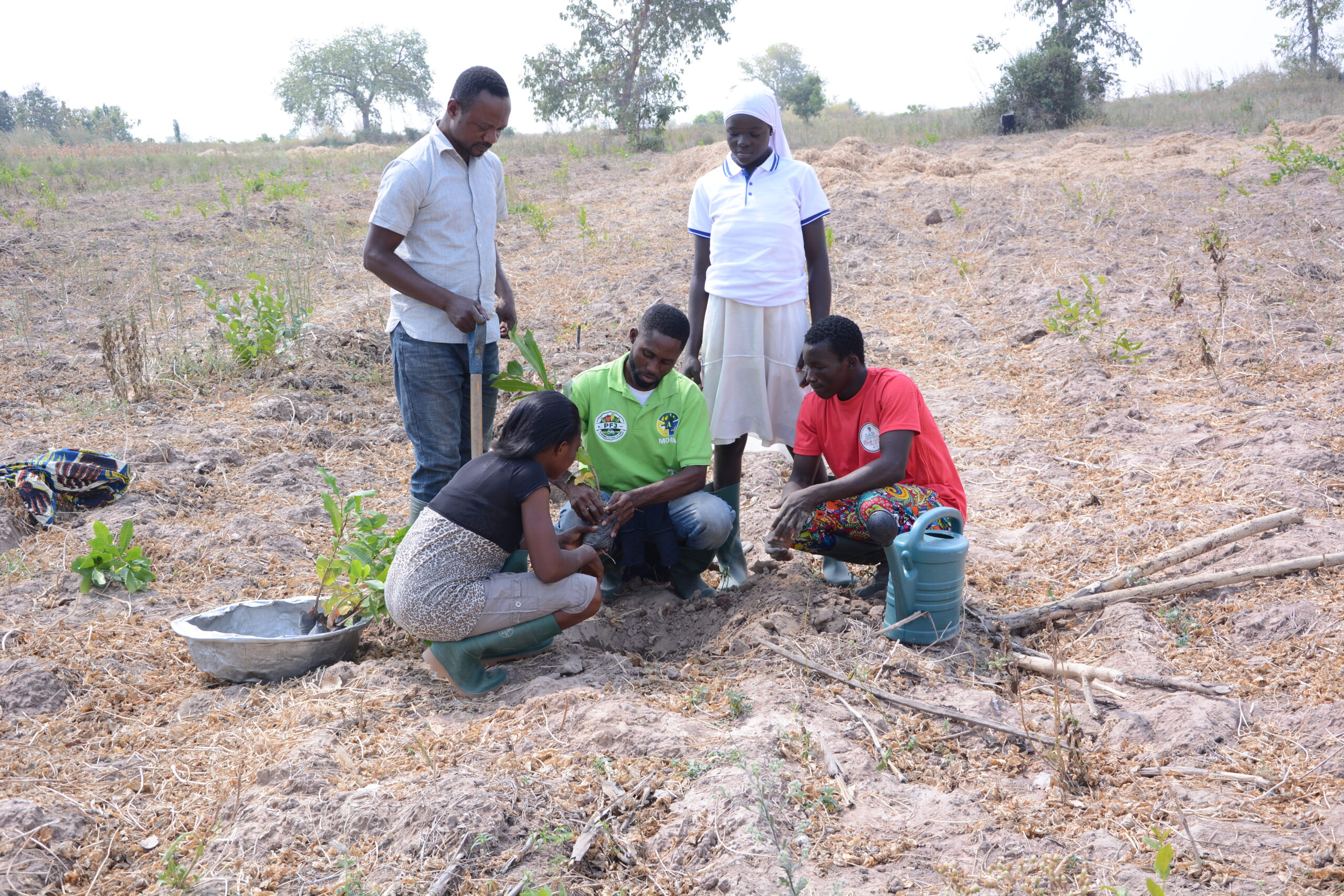
To date, AZ Forest Ghana has recruited over 1,200 farmers from 23 communities, planted over 2 million trees and trained nearly 950 individuals in agroforestry and wildfire prevention and management.
AstraZeneca has also provided funding to accelerate the development of the “MuLaKiLa” project in Rwanda. “MuLaKiLa” aims to support local communities and livelihoods through agroforestry and restore the ecological balance of the Mukura Forest-Lake Kivu Catchment Landscape. With the aim to be another “Living Lab” the project will help more than 30,000 farming households, in what is one the largest forest restoration initiatives in Rwanda.
AZ Forest is AstraZeneca’s global initiative that, through collaboration with partners and local communities, will see 200 million trees planted and maintained by 2030 across six continents, removing an estimated 30 million tonnes of carbon dioxide from the atmosphere over the next thirty years. AstraZeneca is the first healthcare company to make this level of commitment to reforestation, recognising that climate change is the biggest threat to human health and that reforestation brings important co-benefits. These include improving food security, combatting air pollution, improving local water quality, lowering surface and air temperatures, restoring habitats for biodiversity, and bringing social and economic benefits for communities.
Dr Pelin Incesu, Area Vice-President for the Middle East and Africa, AstraZeneca, stated: “AstraZeneca is committed to building a sustainable future for people, society and the planet, and the AZ Forest expansion in Ghana as well as the new project in Rwanda are a key part of that mission in Africa. By supporting communities to restore degraded lands, we are tackling climate change and fostering resilience and sustainability from the bottom up, creating a more sustainable and healthier future for everyone. This exciting project sits alongside numerous other sustainable healthcare initiatives that AstraZeneca supports across Africa, including Healthy Heart Africa and our Accelerate Change Together for Cancer Care Africa programme, which tackle some of the continent’s fastest-growing health threats.”
Marc Palahí, Chair, Circular Bioeconomy Alliance (CBA), said, “I am thankful for AstraZeneca’s new commitments that allow the CBA to expand the land under restoration in Africa. This initiative and the pilot project in Rwanda are great examples of how corporations, scientists and local communities can work together for the benefit of nature and people.”
Honourable Anthony Owusu from Bantama community in Ghana, Multi-Stakeholder Platform Chair, said: “Our project’s Multi-Stakeholder Platform has created an avenue where both farmers and opinion leaders are brought together to take decisions that benefit themselves, their communities and the environment.”
Related posts