

Buruj FC CEO Advocates Joint Private Stadium Ownership To Solve Lagos Pitch Shortage
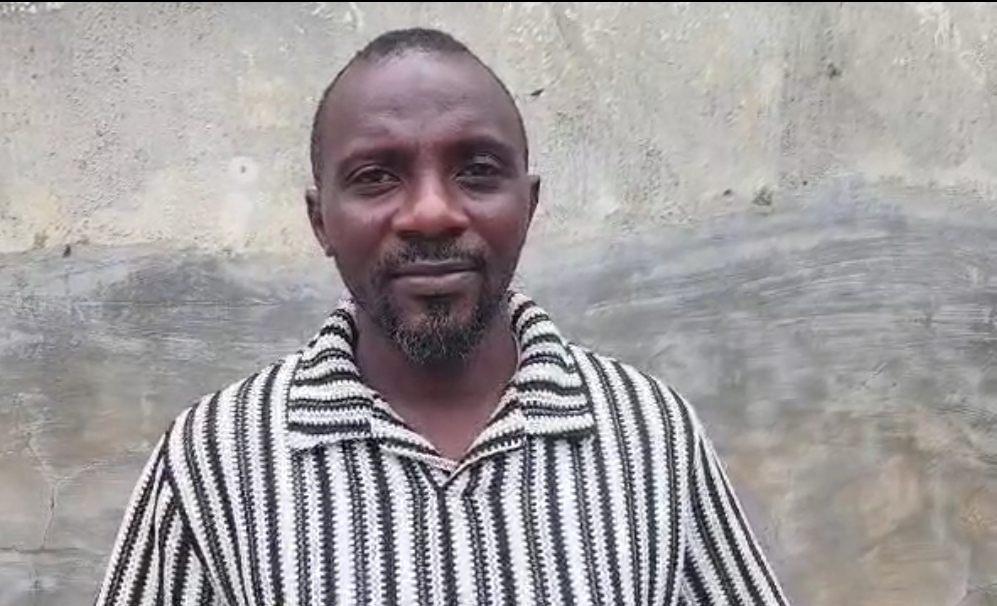
The Chief Executive Officer of Buruj FC, Salaudeen Waheed Buruj, has proposed a collaborative stadium ownership model among club owners as a lasting solution to the shortage of standard football pitches in Lagos.
Buruj made this call during an exclusive interview following a meeting of Nigeria Nationwide League One (NLO) club owners held at the Lagos State Football Association secretariat on Thursday. The gathering focused on finalising modalities for the smooth commencement of the 2026 NLO season.
Highlighting infrastructure as one of the league’s most pressing challenges, the Buruj FC boss noted that the number of available standard pitches and stadiums falls far short of what is required to accommodate the growing number of teams in Lagos.
According to him, many clubs are unable to provide suitable venues for matches, a situation that continues to disrupt the smooth organisation of the league.
He however, absolved the NLO board of any blame, commending their efforts in keeping the league functional despite logistical constraints.
“It is not the fault of the NLO board members,” Buruj said. “They have been working tirelessly to ensure the league holds, even going the extra mile to secure stadiums for matches.”
Instead, he challenged club owners to take greater responsibility, stressing that football administration must be approached with a business mindset, including investment in critical infrastructure.
As part of his solution, Buruj proposed a joint investment initiative among clubs, suggesting that collective funding could deliver a standard stadium facility.
“If 10 clubs can come together and invest at least ₦20 million each, we can build a standard stadium,” he stated.
He added that such a project could be supported through structured financing, including formal agreements with financial institutions to ensure sustainability and accountability.
Drawing inspiration from global football icons such as Cristiano Ronaldo and Lionel Messi, Buruj emphasised the need for stakeholders to reinvest in the sport.
“Even the greatest players like Ronaldo and Messi have invested back into football. That is the mentality we need — to build, not just participate,” he said.
Buruj also maintained that responsibility for infrastructure development does not lie with the government, noting that club ownership is a voluntary venture that comes with clear obligations.
“No one was forced to own a club if you cannot provide the necessary facilities,” he added.
He concluded with a strong call for unity among stakeholders, urging club owners to embrace collaboration and long-term planning to reposition grassroots football in Nigeria.
The 2026 NLO season in Lagos is expected to feature over 70 teams, all competing for just two promotion slots to the Nigeria National League, underlining the urgent need for improved infrastructure to support the competition.
Buruj also expressed appreciation to the NLO leadership for their resilience and commitment to sustaining the league despite existing challenges.
If implemented, the proposed joint stadium ownership model could mark a significant step toward improving infrastructure, professionalism, and sustainability in Nigeria’s third-tier football system.
Related posts