

Gov Soludo’s EU/UK Diaspora Town Hall 2.0: Another Masterclass On Accountability And Statesmanship
CHRISTIAN ABURIME
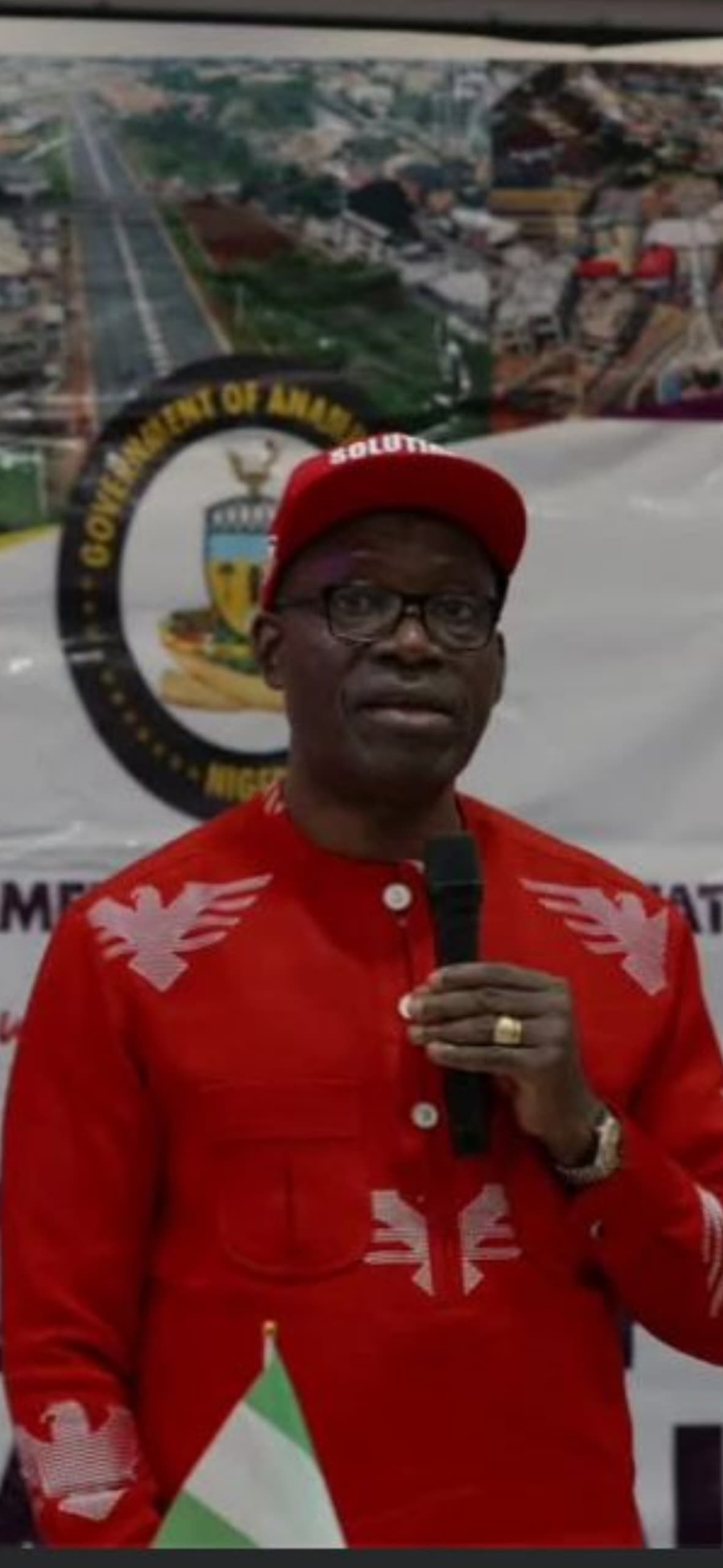
On Easter Monday, April 6, 2026, Anambra State Governor, Prof. Chukwuma Charles Soludo, CFR, stood before a packed hall of Anambra indigenes at Cavendish Banqueting in Colindale, London, opposite the iconic Mercedes-Benz showroom on Edgware Road, to deliver something phenomenal in Nigerian politics: unfiltered accountability to the diaspora.
The EU/UK Diaspora Town Hall Meeting 2.0 was no ordinary gathering. Building on the inaugural 2025 session, it transformed a London venue into a living classroom of governance. Governor Soludo presented his three-year scorecard, detailed the “Next Big Steps” for the remaining 46 months of his administration, and issued a stirring call for a coordinated diaspora-government partnership to rebuild the South-East as a global hub of opportunity and prosperity.
Livestreamed to thousands, the event drew Anambra sons and daughters from across Europe and the UK. The atmosphere was exciting, part celebration of progress, part robust town-hall debate. Governor Soludo fielded questions on infrastructure, security, education, healthcare, and economic transformation with the precision of the economist he is, outlining tangible achievements and ambitious roadmaps without the usual political gloss.
What made the evening unforgettable was Governor Soludo’s masterclass in leadership without being under pressure from any quarter. A delegation who claimed to be the UK chapter of the Indigenous People of Biafra (IPOB) confronted the governor, presenting an open letter of protest. They demanded the release of Mazi Nnamdi Kanu and raised sharp allegations of intimidation and extra-judicial actions by state security outfits.
Rather than evade or escalate, Governor Soludo responded with characteristic clarity and composure. He acknowledged the passion but firmly redirected the conversation: the meeting was not a platform for lamentation or divisive rhetoric, but a forward-looking forum to build the homeland. He stressed that every Anambra son and daughter, regardless of political persuasion, has a role in the collective prosperity of the South-East. The exchange highlighted Governor Soludo’s willingness to engage dissent directly while keeping the focus on development.
Media observers hailed the event as “another masterclass in accountable governance.” In an era where many leaders shy away from unscripted scrutiny, Governor Soludo voluntarily placed his report card before citizens living thousands of miles away, without intermediaries or state-media filters. The message was unmistakable: governance is a partnership, not a monologue.
Throughout the session, Governor Soludo painted a compelling picture of Anambra “on the rise.” He spoke of deliberate investments to end perennial flooding, expand economic opportunities, strengthen security, and position the state as a destination for global investment and return migration. His vision is clear: turn the South-East into Africa’s next powerhouse by harnessing the intellect, capital, and networks of its vast diaspora.
In the end, the EU/UK Diaspora Town Hall 2.0 was more than a meeting. It was a declaration of confidence. Governor Soludo has shown that true leadership thrives in transparency, welcomes hard questions, and refuses to let division derail development. For Anambra indigenous people at home and abroad, the takeaway is resonant: the homeland is calling, the blueprint is ready, and the future is being built, together. Anambra is not just on the rise; under Governor Soludo’s stewardship, it is redefining what visionary, people-centred governance looks like in 21st-century Nigeria.
Related posts