Modern Slavery Or Democracy? Exposed: How the UN Is Forcing Africa To Pay Taxpayers For Western Cooperation
EMMANUEL PETER ADAYEHI, PhD
The International Monetary Fund (IMF) and World Bank play significant roles in shaping economic policies in Africa. While their involvement can provide indispensable financial support during crises, it also raises serious concerns about debt sustainability and the impact on local populations.
Potential Benefits of IMF and World Bank Involvement
– Financial Support: The IMF and World Bank offer loans and grants to help African countries address economic challenges, such as balance of payments crises or natural disasters.
– Economic Reforms: These institutions often require recipient countries to implement economic reforms, which can lead to improved fiscal management and economic stability.
– Infrastructure Development: The World Bank, in particular, has invested heavily in infrastructure projects across Africa, including roads, bridges, and energy systems.
Challenges and Concerns
– Debt Burden: Many African countries struggle with high levels of debt, which can be exacerbated by loans from the IMF and World Bank. Currently, African nations owe approximately $100 billion to these institutions, a burden that stifles economic growth and development.
– Austerity Measures: The IMF’s austerity policies have been criticized for negatively impacting social spending, leading to increased poverty and inequality in recipient countries. Such measures often prioritize debt repayment over essential public services.
– Taxation and Debt Servicing: The burden of taxation and debt servicing falls heavily on local populations, perpetuating cycles of poverty and economic inequality. As a result, ordinary citizens bear the brunt of financial obligations that should be managed differently.
Potential Solutions
– Debt Restructuring: Implementing debt-for-development swaps, like the one Angola is pursuing with the World Bank, could alleviate debt burdens while promoting sustainable development goals.
– Increased Transparency and Accountability: Improving transparency in government and institutional dealings can help ensure that loans are used effectively for the benefit of local populations.
– African-Led Solutions: Encouraging African countries to take ownership of their economic policies and development strategies can foster more sustainable and equitable economic growth.
Current Situation in Nigeria
As from January 2026, Nigerians will begin to pay higher taxes on essential commodities, including pampers, mobile internet services, and food items. Vendors of these commodities will also face increased taxes, leading to higher prices for goods and services. This tax increase is a direct consequence of African leaders servicing debts owed to the World Bank and IMF. Countries like Tunisia, Kenya, and Nigeria will be compelled to allocate a significant portion of their revenue to repay these debts, which the West labels as “democracy” and “fiscal responsibility.”
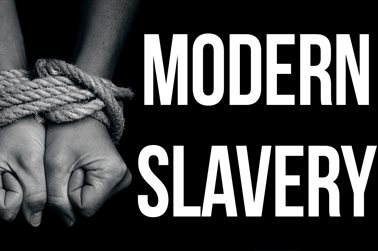
Starting January 1, 2026, 20% tax increase a direct consequence of African leaders servicing debts owed to World Bank and IMF will impact on the ordinary citizens, including food vendors, market women, and those in small and medium-sized enterprises (SMEs). While the wealthy continue to exploit the masses, this punitive tax system, orchestrated by the UN, resembles a modern form of slavery. Taxes collected from ordinary Africans are funneled to Western corporations under the guise of fiscal responsibility, diverting funds that could have been used for improving local infrastructure and services.
The Bigger Picture
What happens to the revenues generated from Nigeria’s raw materials, oil, and tax revenues collected from corporations? This situation does not reflect true freedom in the 21st century. The IMF and World Bank continue to push Africa into financial circles where funds that could be allocated for education and healthcare are instead consumed by debt servicing. To address these challenges, it’s pivotal to promote transparency, accountability and African-Led Solutions.
The UN, an organization purportedly dedicated to equality, is facilitating exploitation through its partnerships with the IMF and World Bank. This challenges the African economy through fictitious reforms that do not address the root causes of poverty and inequality. The researcher believes this represents a new colonial cycle of modern slavery, not through military coups but through economic dependency and exploitation.
Today, Africa remains a shadow of itself, suffering from mental slavery and a dishonest global order orchestrated by institutions that aim to keep the continent impoverished. The continuing exploitation of Africa serves to maintain the economic dominance of Western nations, reducing African countries to mere puppets in the global economic arena.
Citations
– Kenton, W. (2023, March 23). Fiscal Responsibility. Investopedia.
– Stiglitz, J. E. (2003). Globalization and Its Discontents. W. W. Norton & Company.
Related posts