


Olukoyede Highlights EFCC Reforms, Calls On Nigerians Abroad To Act Against Illicit Funds
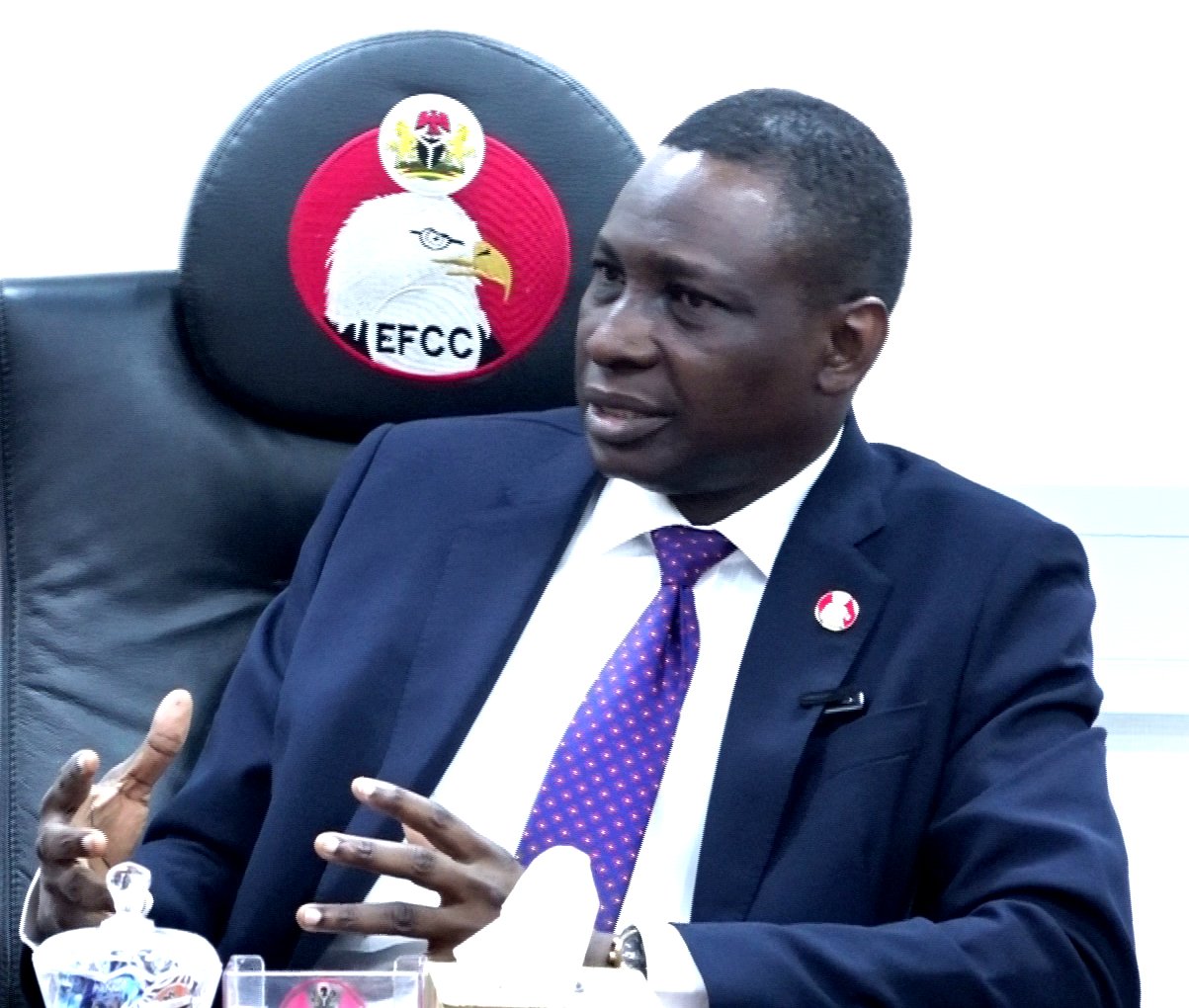
The fight against corruption in Nigeria continues to face significant hurdles, including delays in prosecuting politically exposed persons and the complicity of some foreign actors in laundering illicit funds, the Executive Chairman of the Economic and Financial Crimes Commission (EFCC), Ola Olukoyede, has said.
Speaking at the Canada-Nigeria Legal Exchange Forum, organized by the Canadian Association of Nigerian Lawyers (CANL) at the Intercontinental Toronto Centre on Monday, November 3, 2025, Olukoyede highlighted the persistent challenges that undermine anti-corruption efforts and stressed the need for both domestic reforms and diaspora engagement to achieve meaningful results.
“Justice delayed is justice denied. Some trials take too long, and certain nations are slow to return stolen assets. Worse still, some professionals have enabled corrupt officials to launder wealth abroad,” Olukoyede said, noting that these challenges remain a major obstacle to national development and international credibility.
To counter these hurdles, Olukoyede has spearheaded extensive institutional reforms to strengthen transparency, accountability, and operational efficiency within the EFCC.
New policies, including the Gift Policy, Exhibit Room Security Policy, and Sting Operations Policy, were introduced to close loopholes that previously allowed misconduct by personnel.
Zonal Commands were upgraded to Zonal Directorates in Lagos, Ekiti, Katsina, and Anambra States, expanding operational coverage and providing clear career progression pathways.
The Department of Internal Affairs was renamed the Department of Ethics and Integrity, reinforcing a zero-tolerance approach to unethical behavior.
Olukoyede himself declared his assets and mandated all staff to do the same, setting a precedent for transparency across the Commission.
Specialized units have also been created to tackle emerging threats in financial crime.
These include the Department of Fraud Risk Assessment and Control (FRAC), Digital Transformation and Innovation Unit, International Asset Tracing and Recovery Unit, and the Visa and Migration Fraud Section, alongside task forces addressing currency abuse and other new criminal modalities.
The impact of these reforms is evident. In two years, the EFCC recorded 7,503 convictions, recovered N566 billion and $411 million, and seized 1,502 real estate properties, including 753 duplexes in Lokogoma, Abuja, and the Nok University campus in Kaduna State, now converted to the Federal University of Applied Sciences.
Process reforms, such as the restructuring of the bail system, have also strengthened adherence to suspects’ rights while improving operational efficiency and professionalism.
Olukoyede emphasised that the Nigerian diaspora, particularly lawyers in Canada, has a critical role to play in curbing illicit financial flows.
He urged them to monitor suspicious transactions and provide information to law enforcement agencies, warning that failure to do so could undermine domestic anti-corruption gains.
“The increasing number of Nigerians migrating to Canada could inadvertently provide avenues for illicit wealth. Your vigilance is crucial. You can help prevent this by cooperating with law enforcement agencies,” Olukoyede said, highlighting the need for proactive diaspora participation.
International collaboration has been another cornerstone of Olukoyede’s approach.
The EFCC has signed memoranda of understanding with agencies such as the Royal Canadian Mounted Police, Spanish and German police, and the Korean Police, facilitating the return of stolen assets to victims abroad and enhancing Nigeria’s credibility in global anti-corruption efforts.
Recovered funds have been strategically reinvested in social programs, such as the Student Loan Scheme and Consumer Credit Scheme, and allocated to government agencies including NDDC, AMCON, FIRS, and the National Health Insurance Authority, demonstrating the direct social and economic impact of the Commission’s work.
Olukoyede noted that combining robust institutional reforms with diaspora engagement is essential to overcoming persistent challenges, protecting national wealth, and sustaining Nigeria’s international reputation.
He stressed that success requires collective responsibility, both within Nigeria and among Nigerians abroad.
“The fight against corruption is a shared mission. By strengthening internal structures and leveraging the vigilance of our diaspora, we can ensure that Nigeria’s resources are protected, and its reputation upheld. Together, we can achieve a nation that commands respect globally,” he said
Related posts