

Social Distancing: Offline Shopping Still Poses A Great Risk; Leverage E-commerce for The Essentials
BY AYOMIDE ORIADE
As the world battles to save humanity from the clutches of the deadly COVID-19 virus, activities that make the world go round are being grounded. Human freedom is eroded like never before, human contact is being limited to the barest minimum with social distancing measures, and movement is being banned or limited to extremely necessary instances in several regions of the world. To ensure adherence, authorities are imposing penalties for flaunting of restriction orders meant to prevent humans’ physical interaction with fellow humans; all in the name of humanity.
France, Italy, England, Belgium, Israel, and many others are leveraging location data to help the government observe trends in public movements, such as tracking whether citizens are following recently-issued social distancing rules.
In the face of all these, special consideration is given to public movement for punches of essentials such as groceries, pharmaceuticals, beverages, and other foodstuffs.
Despite measures to prevent overcrowding at these brick and mortar stores, there’s still the risk of human contact in the process.
While authorities deploy technology for restrictive measures, online marketplaces are leveraging it as a lifeline for home delivery of the essentials. Instacart, Good Eggs and Amazon Fresh are filling the gap in North and South America.
In a recent post, online grocery delivery service Instacart said it is aiming to add 300,000 workers across North America over the next three months as demand surges amid the coronavirus pandemic.
Interestingly for Africa, COVID-19 might just be the catalyst for embracing e-commerce on a continent where the online marketplace is still in the gestation phase.
Commendably, industry players like Jumia, Konga, Jiji are also stepping up their game with strategic partnerships and service offerings to customers, as well as home delivery of essentials at this trying time.
Recently, the leading industry player on the African continent announced its partnership with the global health product manufacturer, Reckitt Benckiser, to help African consumers access hygienic products at the lowest price in the COVID-19 era.
Speaking on the move, Senior Vice President, at Jumia Group, Romain Christodoulou, said: “At Jumia, we strive to continue operating so that customers continue to use e-commerce as a safe way to shop in this challenging time through the “Stay Safe” campaign, which shares consistent information about COVID-19 and provides access to key hygiene products at the most affordable price possible for our consumers.”
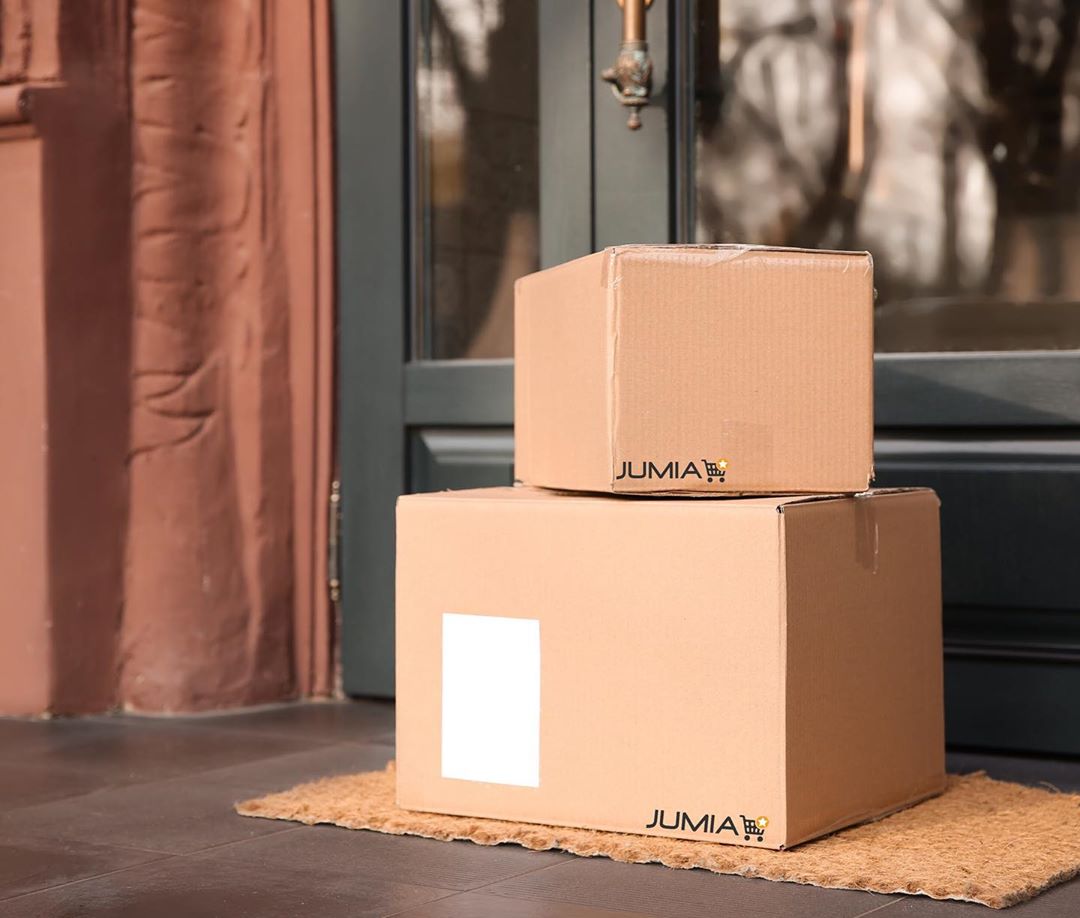
To help drive distancing measures on the continent, Jumia also announced the commencement of contactless delivery of Prepaid Packages on the platform across all countries where Jumia operates, with the aim of ensuring safer delivery of packages to customers.
With contactless delivery, a Jumia Delivery Associate will leave the Customers’ Package at his doorstep on a clean surface (After customers’ consent over a call). Afterward, he steps back (by -1m) and waits for the customer to collect the package.
In support of the governments’ bids to reduce the risk of transmission through physical cash, the company has also limited payment on delivery to just PoS and JumiaPay on delivery.
Jumia delivery agents will no longer accept cash payment on postpaid deliveries.
This decision also complies with the government’s drive for a cashless economy. In addition, Jumia said it will “provide access to affordable basic foods and sanitary essentials on the marketplace platform.
By partnering with thousands of vendors, like Reckitt Benckiser, and others, we are able to maintain fair prices and fight against speculation”
Online grocery shop Applecart in a recent statement revealed that it is also experiencing more demand and new orders, and as a result beefing up its delivery service as buyers stock up on essentials to prepare for potential lockdown in Nigeria.
With the effort of these online stores and malls and the complementary services of other online groceries cum food delivery services like Food Trolley Organic; Haive; Pocketfriendly; Mart.ng; social distancing can help to curtail the spread of COVID-19.
It is left for Nigerians to acquaint themselves to leverage these services. Through this, we reduce physical contact and potentially curb person to person infection.
Related posts