Soludo’s Take: Is Nigeria A Rich Or Poor Country?
CHRISTIAN ABURIME
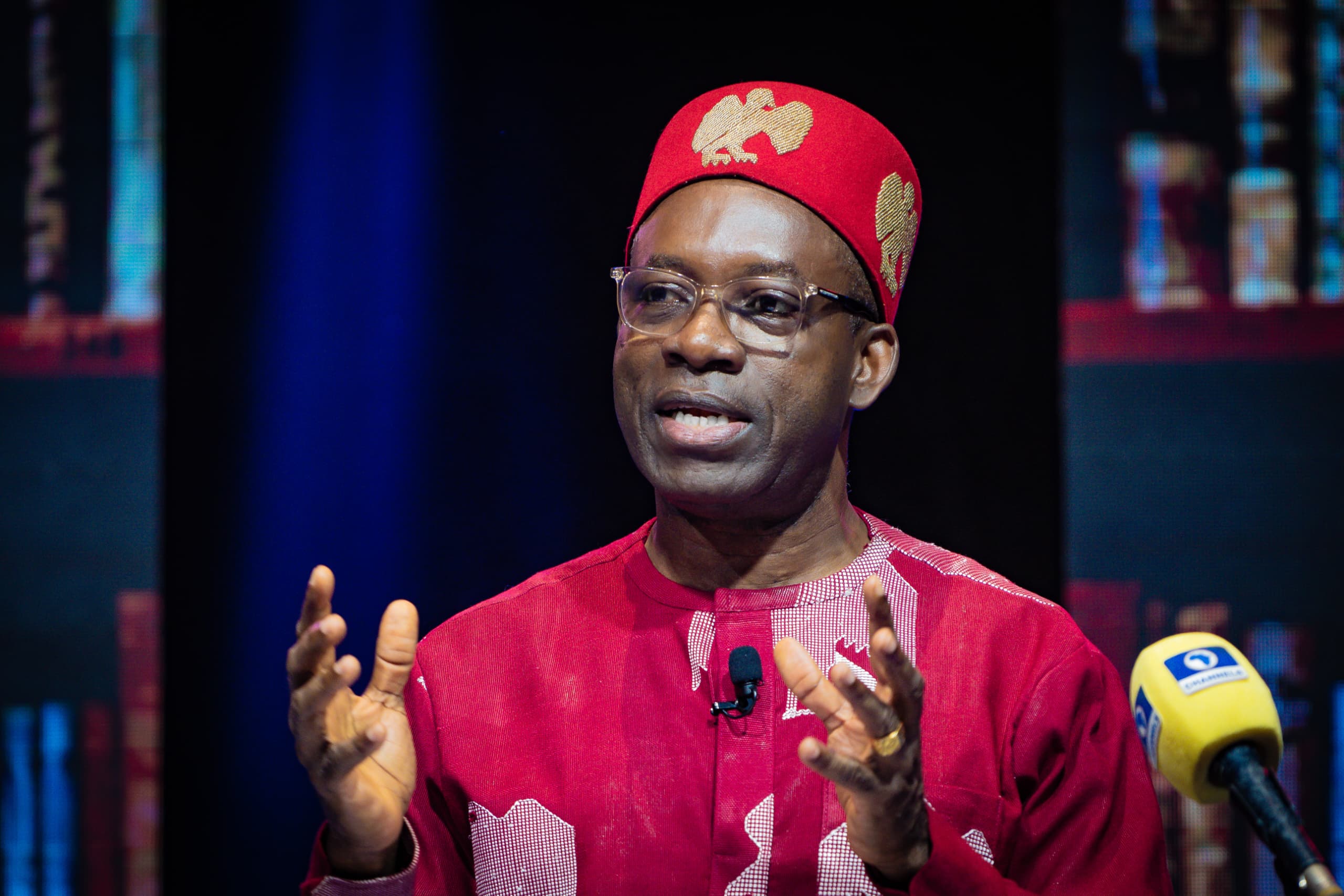
On Democracy Day this year, Anambra State Governor Charles Soludo, a respected economist and former Governor of the Central Bank of Nigeria, delivered a stimulating speech on Nigeria’s democracy and market economy.
Among the several crucial issues he raised is the pressing question: Is Nigeria a rich or poor country? His analysis shed light on the harsh economic realities facing the nation and the critical need for an honest assessment of Nigeria’s financial state to chart a viable path forward.
Governor Soludo emphasized an uncomfortable truth: Nigeria is a very poor country with broken public finances. This acknowledgment, he argues, is crucial for any meaningful discussion on the nation’s future. Despite the country’s rich natural resources and significant oil wealth, Nigeria’s economy has been a roller-coaster ride of booms and busts tied to the oil sector for over 50 years. The fluctuating fortunes of oil exports have resulted in a volatile foreign exchange supply and an unstable GDP in dollar terms.
The rebasing of Nigeria’s GDP in 2014 created the illusion of economic growth, elevating its dollar value to $574 billion and making Nigeria the largest economy in Africa at the time. However, this masked underlying fiscal weaknesses, as the Federal Government of Nigeria (FGN) was borrowing to fund recurrent expenditures and public debt was rising unsustainably. Today, Nigeria’s dollar GDP has plummeted, and the nation has slipped to the fourth-largest economy in Africa, with per capita GDP dropping from over $2,500 to about $1,200.
According to Governor Soludo, Nigeria’s fiscal situation is dire. The 2024 budget of N28.7 trillion, with projected revenue of N18.3 trillion and borrowing of about N10.4 trillion, amounts to just $20 billion or 7% of GDP. This is one of the lowest in the world for a country with a population of approximately 230 million people. In comparison, Kenya, with a population of 54 million, has a 2024 budget of about $31 billion, equating to $574 per capita.
The implications are severe: escalating inflation, unsustainable debt service payments, a depreciating exchange rate, rising interest rates, and increasing poverty and unemployment. Nigeria’s population continues to grow rapidly, exacerbating food insecurity and putting further strain on public finances.
Prof. Soludo proposed that addressing Nigeria’s decade-long fiscal and structural crisis is critical for the road ahead. The nation’s tax revenue is among the lowest in the world, and the mounting debt leaves little room for additional borrowing. The needs of the citizens are increasing exponentially, yet the government’s financial capacity remains severely constrained.
One potential, though risky, solution is for the FGN to print money, as done by the previous administration. However, this approach carries significant collateral damage, including spiraling inflation, further exchange rate depreciation, and rising interest rates.
Thus, Nigeria stands at a crossroads. The nation’s economic future hinges on confronting and addressing its fiscal and structural challenges head-on. As Prof. Soludo eloquently stated, acknowledging the stark reality of Nigeria’s poverty and broken public finances is the first step toward devising sustainable solutions. It is a call to action for policymakers, economists, and citizens alike to engage in an honest discourse and work collectively towards a more stable and prosperous Nigeria.
Prof. Soludo’s agenda setting throws up a sobering reminder of the urgent need for economic reforms and a realistic assessment of Nigeria’s financial state. Only by facing these challenges directly can Nigeria hope to navigate the difficult road ahead and build a more resilient and equitable economy with a sustainable democracy.
Related posts