


Soludo’s Take: Why Can’t Nigeria Embrace Restructuring?
CHRISTIAN ABURIME
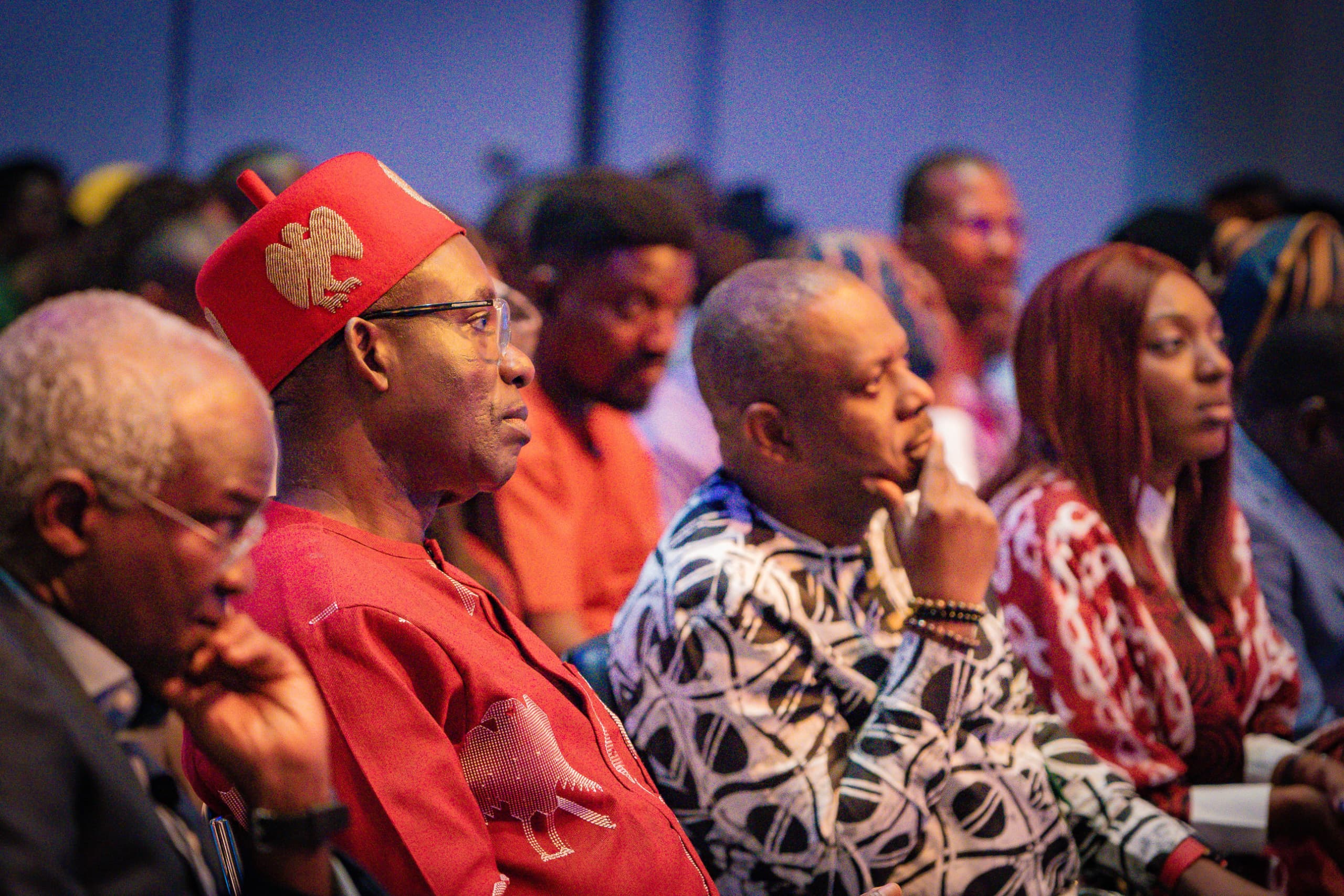
Still on his poignant Democracy Day presentation addressing critical national issues, Anambra State Governor, Prof Chukwuma Charles Soludo, CFR, made a strong case for a radical devolution of powers and resources as the path to unlocking Nigeria’s true potential. Citing the nation’s founders’ vision of competitive federalism as the appropriate framework, Soludo made a compelling argument for dismantling the current inefficient unitary system and embracing a bold restructuring agenda.
“Our founding fathers negotiated competitive federalism as the appropriate framework for Nigeria,” Soludo declared. “Since the military incursion, we have tried hard to develop with unitary federalism and still moving in circles. It is an oxymoron to repeat the same thing and expect a different result.”
Indeed, Soludo’s foregoing remarks resonated with the long-standing demands of various influential socio-cultural groups in Nigeria, including Afenifere, Ohanaeze Ndigbo, PANDEF, and the Middle Belt Forum, who have consistently advocated for true federalism as the key to Nigeria’s sustainable future. Even the ruling All Progressives Congress (APC) had, in its 2015 manifesto, identified the “obtuse and inefficient Abuja” as a constraint and promised to restructure Nigeria.
At the heart of Soludo’s proposal is a radical devolution of powers and resources to the states, with the federal government relinquishing much of its control over the Exclusive List. He envisioned a system where states receive 60-65% of the revenue, enabling them to take charge of their own destinies and fostering cooperative competition. “We need to tinker with the fiscal powers of the federal and state governments, devolve much of the responsibilities under the Exclusive List to the States and at least 60-65% of the revenue to the States,” Soludo asserted.
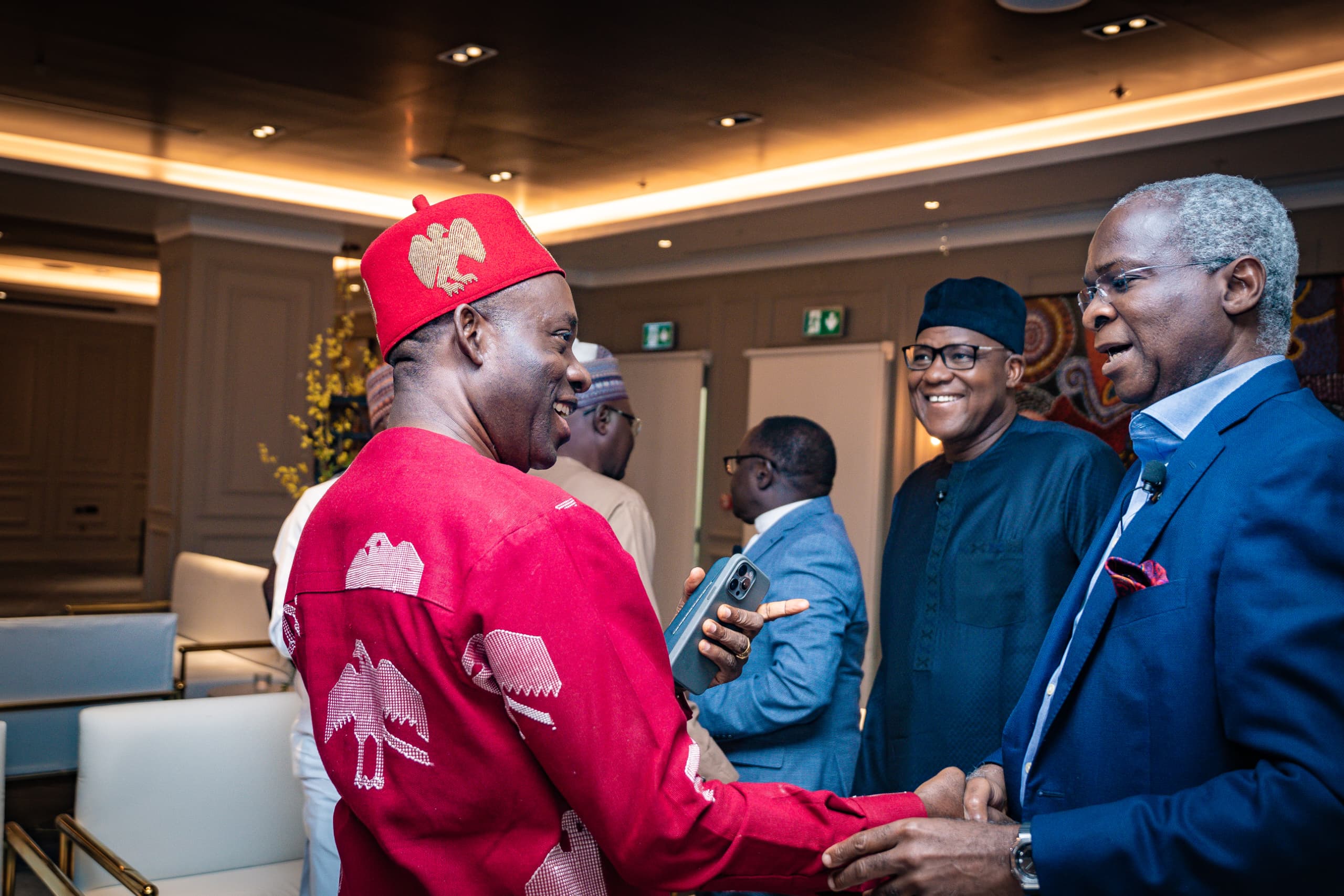
Soludo’s bold vision extends to the restructuring of the National Assembly, questioning the need for a bicameral legislature that costs over N300 billion annually to maintain. He proposed consolidating it into a unicameral body with no more than five representatives per state, a move that could potentially streamline governance and reduce unnecessary bureaucracy.
Without a doubt, Governor Soludo’s submission has reignited the discourse on restructuring and true federalism, offering a radical yet pragmatic blueprint for Nigeria’s recovery. As the nation stands at a crossroads, Soludo’s insistent argument challenges Nigerians and their leaders to confront the hard truths and embrace the bold actions necessary to build a competitive and compassionate federal system – a system that could finally unlock the nation’s vast potential and set it on a trajectory of recovery and sustainable development.
Related posts