In advancing the compelling case for Anioma State within Nigeria’s Eastern geopolitical bloc, the role of purposeful and ideologically grounded leadership remains indispensable.
The movement has evolved beyond mere advocacy into a coordinated and strategic effort, driven by individuals who not only understand the historical foundation of the Anioma question but are actively shaping its institutional realization at the highest levels.
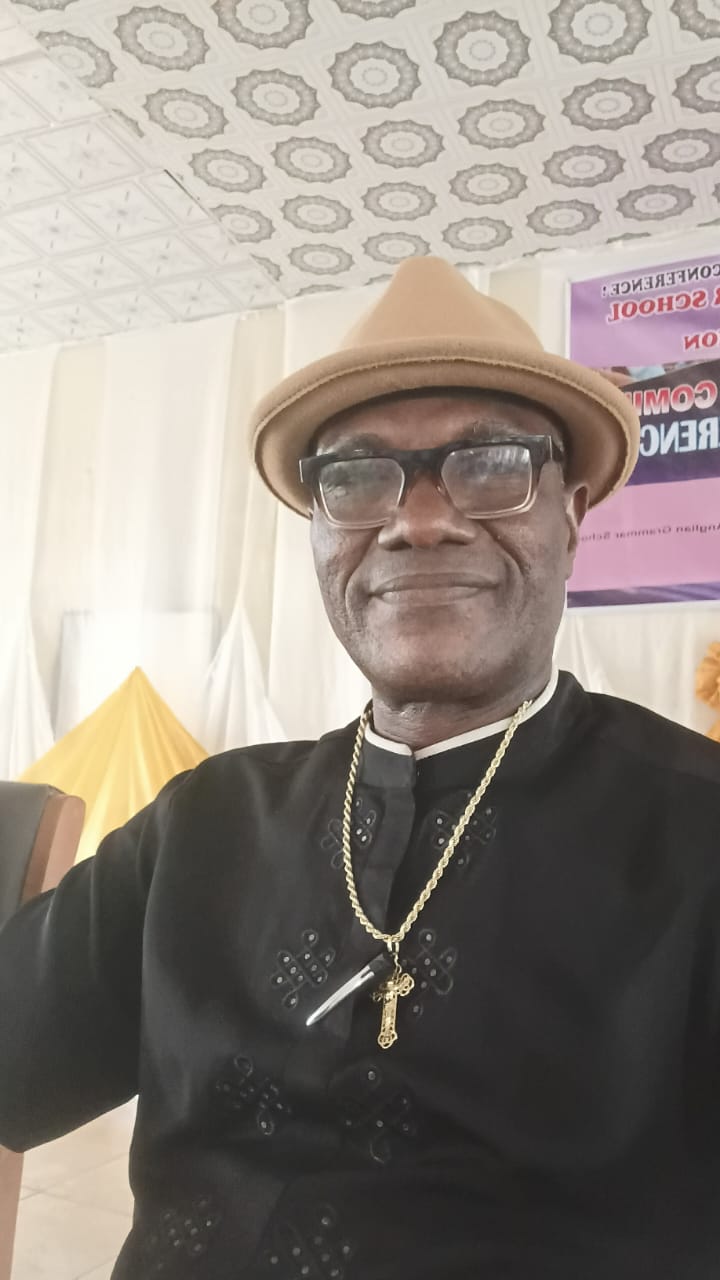
Among such leaders is Apst. Patrick A. Nwanze, JP (Agu-Anioma), whose multi-dimensional leadership profile reflects a deep commitment to community development, cultural preservation, and responsible civic engagement.
As President General of the Apex Association of Anioma Indigenes Inc., Vice President of Ibusa Community Development Union (FESTAC Branch), 1st Vice President General of Anglican Grammar School, Old Students Association, Ubulu-Uku, National Zonal Leader South-South (Renewed Initiatives GrassrootDevelopment) and President of Umuehea Quarter Lagos branch; his village, his leadership trajectory embodies a rare blend of grassroots legitimacy and broader socio-political influence.
Anchored on the principles of good governance and civic responsibility, Apst. Nwanze is also a leading presidential candidate in the 2026 election of the Lagos Chapter of Ohanaeze Ndigbo. His candidacy is not incidental but represents a deliberate and strategic intervention aimed at firmly situating Anioma within the core decision-making structure of the Igbo nation. It reflects a conscious effort to ensure that Anioma interests are not peripheral, but central to the evolving political and cultural direction of Ndigbo.
This strategic engagement carries far-reaching implications for the Anioma State project. By seeking leadership within Ohanaeze Ndigbo, Apst. Nwanze reinforces the identity of Ndi Anioma as an integral part of the Igbo nation. It strengthens Anioma’s voice within a pivotal socio-cultural institution that shapes regional consensus, mobilizes collective action, and articulates the aspirations of Ndigbo on the national stage.
More importantly, this leadership trajectory strengthens the legitimacy of Anioma’s Eastern alignment. It affirms that the quest for Anioma State is not merely territorial but deeply rooted in shared heritage, linguistic affinity, and sustained institutional participation. Through this approach, Anioma is repositioned from the margins to the center of Eastern regional dynamics.
In the same vein, Apst. Nwanze has expressed strong confidence in the institutional framework advancing the Anioma State initiative, particularly the constitution of the Technical Committee. He regards the appointment of the Obuzor of Ibusa, Prof. Luis Nwaoboshi, as Chairman as both strategic and intellectually sound, given his longstanding advocacy, deep historical insight, and consistent articulation of the ideological basis for Anioma’s rightful place within the Eastern bloc.
He further underscored the historical continuity of the Anioma struggle, drawing attention to the contributions of Distinguished Senator Ned Munir Nwoko in championing the cause at the national level. This advocacy is rooted in a long tradition of resistance and self-assertion by Anioma leaders, including documented petitions by traditional authorities such as the Obi of Idumujebuko, Agbor, and Aboh as far back as 1834, opposing the administrative detachment of Anioma from the Eastern region.
This convergence of credible leadership, institutional engagement, and historical consciousness significantly strengthens the case for Anioma State. It enhances political representation, deepens cultural integration, and establishes a coordinated framework for economic and social advancement. More critically, it transforms the Anioma project from a regional demand into a structured and broadly legitimized movement anchored in the collective will of the Igbo nation.
In conclusion, the alignment of visionary leadership with the strategic objective of Eastern integration reinforces both the inevitability and necessity of Anioma State. It ensures that the core ideals of equity, inclusion, development, and unity are not abstract principles but actionable goals pursued through credible platforms such as Ohanaeze Ndigbo.
(Agu-Anioma)