
The Hidden Crime In Faith: When Imported Faiths Corrupt Our Moral Compass
Posted on January 23, 2026
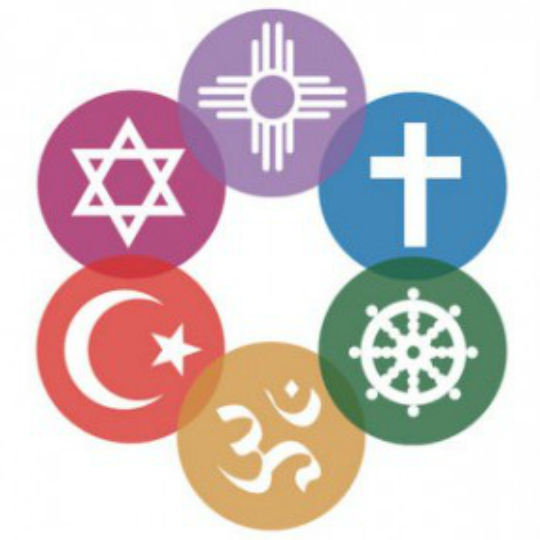
There is an uncomfortable conversation begging for full scale attention: how the wholesale importation of foreign religions helped dislocate indigenous moral systems, and how that rupture continues to echo in today’s crimes, atrocities, and casual indifference to human suffering in Africa. Fear of consequences of crime was not fear of punishment alone; it was fear of dishonour, ancestral judgment, and social exile.
Before colonization, African societies were not moral wastelands awaiting salvation. They possessed deeply rooted ethical frameworks, complex systems of accountability, communal responsibility, restorative justice, and reverence for life. Morality was not deferred to an abstract heaven or postponed judgment; it was enforced here and now, by elders, ancestors, kinship networks, and the collective memory of the community. Wrongdoing carried shame, restitution, and social consequence. Life mattered because it was interwoven with everyone else’s.
All for one, one for all was the rule of the game in the African man’s conscience court.
Then came conquest wrapped in scripture. Foreign religions arrived not merely as spiritual alternatives but as instruments of cultural replacement. They did not negotiate with African ethics; they displaced them. Indigenous belief systems were branded “pagan,” “savage,” or “demonic”. Sacred groves were cut down. Ancestral authority was mocked. Moral instruction rooted in community was replaced with doctrines centered on personal salvation, distant judgment days to afterlife that only exists in the imagination; while forgiveness that required no restitution to the harmed became dominant. Some among our ranks were, and are still, made to believe that, once human life is taken in the name of religion, copious numbers of virgins shall await the killer in the said afterlife.
The result of their religion is not moral elevation, but moral confusion, moral setbacks. When wrongdoing can be washed away by confession alone, when repentance requires no repair, when divine mercy is emphasized without earthly accountability, the social cost of cruelty diminishes. Violence becomes easier to rationalize. Theft, exploitation, and even murder can be excused with religious language of “God understands,” “He is forgiven,” “It is written,” “Turn the other cheek.” In such a framework, the victim becomes secondary to the perpetrator’s spiritual comfort.
“If you turn the other cheek, you can be enslaved for 1000 years.”
Malcom X.
We were forced, and in some cases, brainwashed to accept their political all-knowing, all-powerful god who created faulty man and turned around to blame the man for his divine factory make-up errors. Today, we see the consequences. Political corruption is baptized. Ethnic violence is sermonized. Criminals are celebrated especially if they cloak themselves in religious rhetoric. Atrocities provoke outrage only briefly, before prayers replace justice and slogans replace action. A society that once demanded restitution now settles for absolution.
Foreign religions did not simply arrive with new prayers; they arrived with a new moral architecture. One that quietly dismantled African ethical systems while claiming moral superiority. Traditional African morality did not pretend humans were saints. It understood human fallibility, but insisted that harm must be addressed, balance restored, and life respected. Justice was not outsourced to the said afterlife. It was everyone’s responsibility.
Reclaiming that moral clarity requires interrogating how foreign religions were weaponized to erase African ethical systems, and reintegrating what was lost. Community accountability, restorative justice, reverence for life, and the idea that wrongdoing stains the social fabrics.
Until morality once again carries consequences beyond prayer, until wrongdoing once again carries real social cost, until justice returns from the said heavens to the village square, crime will continue to feel negotiable, atrocities explainable, and murder disturbingly easy to applaud or excuse.
– Ambassador Ezewele Cyril Abionanojie is the author of the book ‘The Enemy Called Corruption’ an award winner of Best Columnist of the year 2020, Giant in Security Support, Statesmanship Integrity & Productivity Award Among others. He is the President of Peace Ambassador Global.
Categorised as : Opinion
No Comments »
Related posts