

The Unseen Scars Of Hardship: Why Mental Health Check-Ups Matter For Every Nigerian
ABIODUN ADIGUN
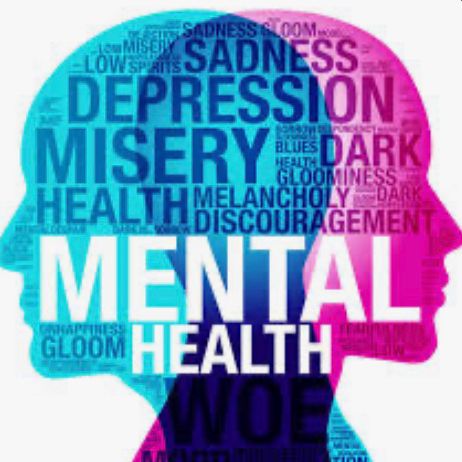
In today’s Nigeria, the stress of hardships is palpable. As we navigate the challenges of everyday life, it’s easy to overlook the toll it takes on our mental well-being.
Social media is flooded with reactions to issues that often seem insurmountable, and it’s clear that many are struggling to cope. This is why I believe it’s crucial to encourage Nigerians to prioritise their mental health and seek regular check-ups.
The socioeconomic landscape of our country plays a significant role in shaping our mental health.
Poverty, financial stress, poor housing, and limited access to resources can all contribute to feelings of hopelessness, low self-esteem, and increased anxiety and depression.
The stigma associated with lower socioeconomic status can further exacerbate these issues, making it even more challenging for individuals to seek help.
The negative impacts of socioeconomic factors on mental health are well-documented. Unemployment, underemployment, and financial instability can lead to chronic stress and anxiety, while living in unsafe or unstable housing can contribute to feelings of fear and vulnerability.
Limited access to quality healthcare, education, and social support systems can worsen mental health challenges, and social isolation can limit social connections and increase feelings of loneliness.
However, it’s not all doom and gloom. There are positive impacts that can be harnessed to promote mental well-being. Strong social support networks, access to resources, and community engagement can all act as buffers against mental health problems.
By fostering a sense of belonging and reducing social isolation, we can promote positive mental health outcomes.
The relationship between socioeconomic factors and mental health is complex, with both social causation and social drift/selection playing a role.
Socioeconomic disadvantage can directly contribute to the development of mental health problems, while mental health conditions can also lead to socioeconomic disadvantage.
This reciprocal relationship highlights the need for a comprehensive approach to addressing mental health in Nigeria.
So, what can we do?
Firstly, we need to prioritise mental health check-ups. Just like regular physical health check-ups, mental health check-ups can help identify potential issues before they become major problems.
By seeking professional help, we can develop coping strategies, manage stress, and improve our overall mental well-being.
Secondly, we need to create a supportive environment that encourages individuals to prioritise their mental health.
This can be achieved by promoting awareness and reducing stigma around mental health issues.
By talking openly about our struggles and supporting one another, we can foster a sense of community and belonging.
Finally, we need to address the root causes of socioeconomic disadvantage that contribute to mental health problems.
This requires a multifaceted approach that includes policy changes, community engagement, and individual empowerment. By working together, we can create a society that promotes mental well-being and supports individuals in need.
The government needs to take immediate action to address the growing mental health crisis in our nation.
With an alarming increase in the number of individuals battling mental illness, we must prioritise mental health support and resources.
We urge the government to allocate sufficient funding to mental health services, including accessible counselling, therapy, and treatment options.
By doing so, we can work towards creating a society that supports the well-being of all its citizens, reduces stigma around mental health, and provides a safety net for those struggling.
It’s time for our leaders to recognise the importance of mental health and take concrete steps to address this pressing issue.
In conclusion, mental health check-ups are not just important; they’re essential.
By prioritising our mental health, we can build resilience, develop coping strategies, and improve our overall well-being.
Let’s take the first step towards creating a healthier, more supportive Nigeria.
Let’s talk about mental health, let’s seek help when needed, and let’s work together to build a brighter future for ourselves and our communities.
Related posts