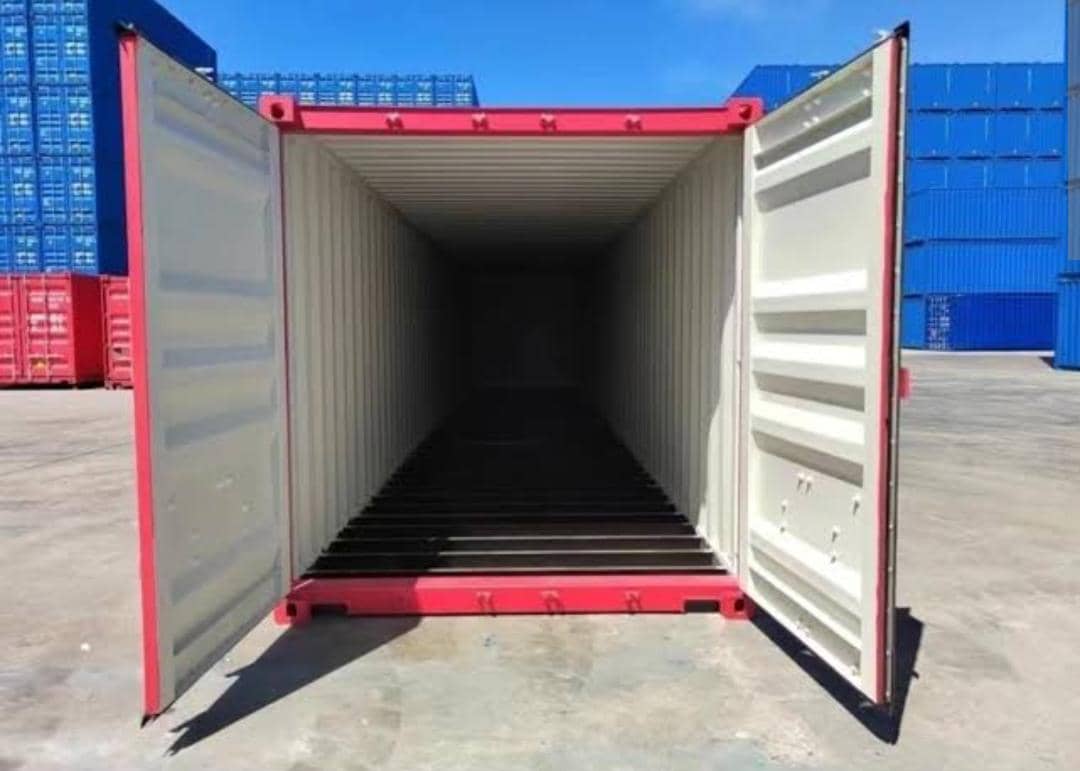
In Nigeria, the exportation of perishable agricultural produce is plagued by corruption and bureaucratic delays, leading to significant economic and logistical issues. A staggering 80% of containers leaving the country are reported to be empty, not due to a lack of produce but because of the inefficiencies and corruption within the system. These challenges are primarily attributed to the complex interplay of various agencies involved in the inspection and regulatory processes, which contribute to delays and inefficiencies in the exportation system.
**Understanding the Issues**
The export process in Nigeria involves multiple agencies, each with its own set of responsibilities. Agencies such as the Standards Organisation of Nigeria (SON), National Drug Law Enforcement Agency (NDLEA), National Agency for Food and Drug Administration and Control (NAFDAC), Economic and Financial Crimes Commission (EFCC), Department of State Services (DSS), Nigerian Customs Service (NCS), Nigerian Police, Nigerian Ports Authority (NPA), Nigerian Export Promotion Council (NEPC), and Nigerian Immigration Service (NIS) all have roles in inspecting agricultural exports. The involvement of these multiple agencies, each with its own procedures and requirements, creates a convoluted and inefficient system.
An electronic scanner could efficiently handle inspections in a streamlined manner, reducing the need for repetitive checks by various agencies. However, the reliance on manual inspections by these multiple agencies introduces redundancy and delays. Each agency’s involvement necessitates additional paperwork, approvals, and logistical coordination, contributing to the slow processing times for agricultural exports.
*Impact of Corruption**
Corruption exacerbates these inefficiencies. Bribery and extortion are common, with exporters often forced to pay unofficial fees to expedite inspections or avoid punitive measures. This corruption undermines the integrity of the regulatory process, leading to unpredictable delays and additional costs for exporters. Furthermore, corruption leads to a lack of accountability and transparency, making it difficult to address issues effectively and enforce fair practices.
*Economic and Market Consequences**
*Economic Losses**: Delays in the export process lead to spoilage and degradation of perishable agricultural goods. As these products deteriorate, their value diminishes, resulting in significant financial losses for exporters. Additionally, the high proportion of empty containers indicates that resources are being wasted, with potential revenue lost due to the inability to export produce in a timely manner.
*Reduced Export Efficiency**: The inefficiencies and delays affect the competitiveness of Nigerian agricultural products in the global market. Importers may seek more reliable sources for their needs, causing Nigeria to lose market share and affecting the country’s position in international trade. Increased costs due to inefficiencies are often passed on to consumers, further diminishing the appeal of Nigerian produce.
*Damage to Reputation**: Consistent delays and corruption issues damage Nigeria’s reputation as a reliable exporter of agricultural products. This negative perception can deter potential buyers and harm long-term trade relationships. The quality of Nigerian produce may also be questioned if spoilage becomes a common issue, further impacting market trust and product value.
*Impact on the Agriculture Sector**: Farmers suffer from reduced incomes as delays and spoilage lower the prices they receive for their produce. This discourages investment in agriculture and undermines the sector’s growth. Potential investors may also be dissuaded by the systemic inefficiencies and corruption, limiting opportunities for sector development.
**Addressing the Challenges**
To mitigate these issues, Nigeria needs to streamline the export process by reducing the number of agencies involved and adopting more efficient inspection methods, such as electronic scanning. Tackling corruption is also crucial; this involves enhancing transparency, enforcing accountability, and ensuring that regulatory processes are fair and efficient. By addressing these systemic issues, Nigeria can improve its export efficiency, boost its agricultural sector, and enhance its reputation in the global market.
– Anaebonam Godwin Nkemakonam writes from Lagos.