

Why NIMC Can Solve The Social Investment Programme Mismanagement Conundrum
BY FEMI ONAKANREN
In April 2023, the Federal Government announced that Nigeria had secured an $800 million World Bank facility for its social welfare programme. This fund is the first tranche of cash transfer palliatives to be disbursed to about 50 million Nigerians, who belong to the most vulnerable category in the society.
This concessional financing is part of the agreement between Nigeria and the International Development Association (IDA) to offer assistance to the economically challenged demography in different countries in the world.
The FG is also implementing conditional cash transfers through the Federal Ministry of Humanitarian Affairs and Poverty Alleviation (FMHAPA) and the National Social Investment Programme Agency (NSIPA)
Nigeria’s limited identity database, however, creates a challenge with the identification, allocation, and disbursement of the funds, thus creating avenues for mismanagement, diversion, and theft of appropriated, well-intentioned funds.
Critically, the country has over the years suffered from mismanagement and diversion of such funds to personal pockets and interests.
This concern necessitated the need for the creation of credible social registers to help ensure the disbursed funds get to the eligible intended beneficiaries.
Without a credible, transparent, and accountable solution, the unfortunate default will be a recycling of endemic woes of corrupt practices and mismanagement that have been bedeviling our nation.
President Bola Tinubu has rightly taken a bold step by ordering a review of the country’s Social Investment Programmes.
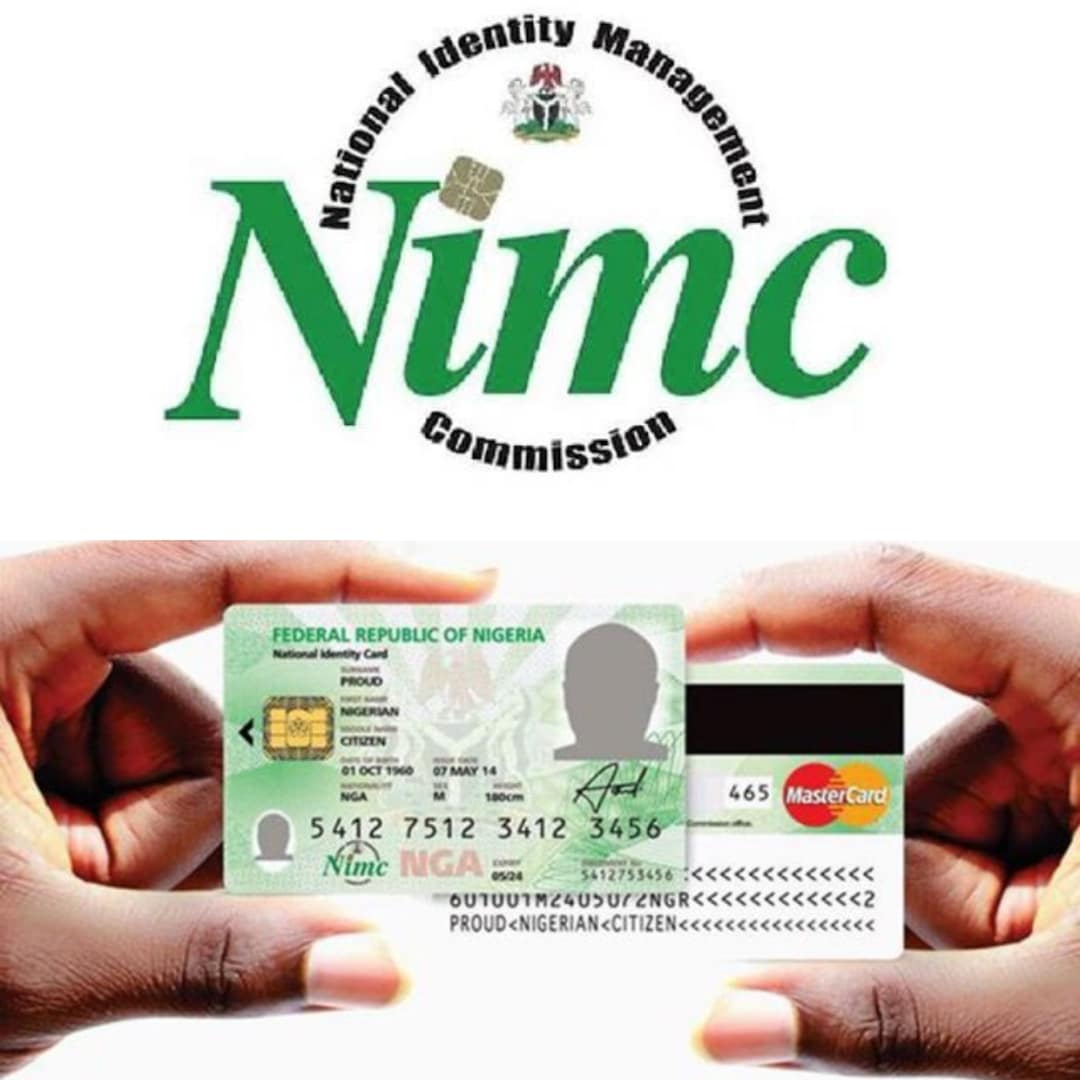
This is a good move but the writer believes that National Identity Management Commission (NIMC) has a unique role to play in facilitating the achievement of the altruistic intentions of the Federal Government while also deepening our national database and opening up new economic frontiers.
It is my firm belief that the institution should be empowered with the task of helping the country to create credible a national social register for the different social intervention/cash transfer palliative initiatives and projects.
This line of thinking is premised on the fact that the only real resource for confirming the identity of any Nigerian or legally resident Non-Nigerian is through their National Identification Numbers (NIN).
Thus, identities on a credible social register should only be confirmed via NIN cross-references. Currently, NIMC reports a capture and registration of 104.16 million unique identities, less than 50% of the country’s estimated population, as of December 2023.
It is projected that most of the yet-to-be-registered citizens and legal residents fall into the beneficiary demography of the different palliative initiatives.
There is however a suggestion that a large number of current NIN identities are from urban areas, especially those who need the number to process registration on other platforms, e.g., bank accounts, driver’s license, international passports, etc.
The thinking is that many of the economically vulnerable demography, especially in rural areas, who do not have any of the above are largely unregistered.
It therefore makes perfect sense for the NIMC to leverage the message of access to palliative cash transfers and other socio-economic benefits that will accrue from listing on the social register to deepen, and update, the national identity database.
The outcome of this scenario is that a credible social register is created for palliative disbursement planning, effective for all states and LGAs, and the number of registered national identities is increased.
The deployment of the social project, driven by technology, will also facilitate improved positive public perception of the efforts of the federal government to provide accountability and credibly disburse cash and other palliatives to the intended, profiled beneficiaries.
Other advantages accruing which may be pursued from this initiative are the opportunity to deepen the financial inclusion drive by encouraging and facilitating the opening of bank accounts and reducing the volume of unbanked Nigerians, widening the tax net, and improving security management across the country.
The availability of this updated database will also help the Federal Government to develop more connected and informed fiscal policy plans and initiatives.
An immediate winning example of the strategic deployment and empowerment of the NIMC in the referenced capacity is the application of this solution to the proposed national consumer credit system.
In the end, everyone wins; the government, as well as the people of the Federal Republic of Nigeria.
Femi Onakanren is a Business consultant and a Socio-economic Policy Analyst. He writes from Lagos
Related posts