

Restoring Petrol Subsidies: Atiku’s Policy Shift Sparks Debate Ahead Of 2027 Elections
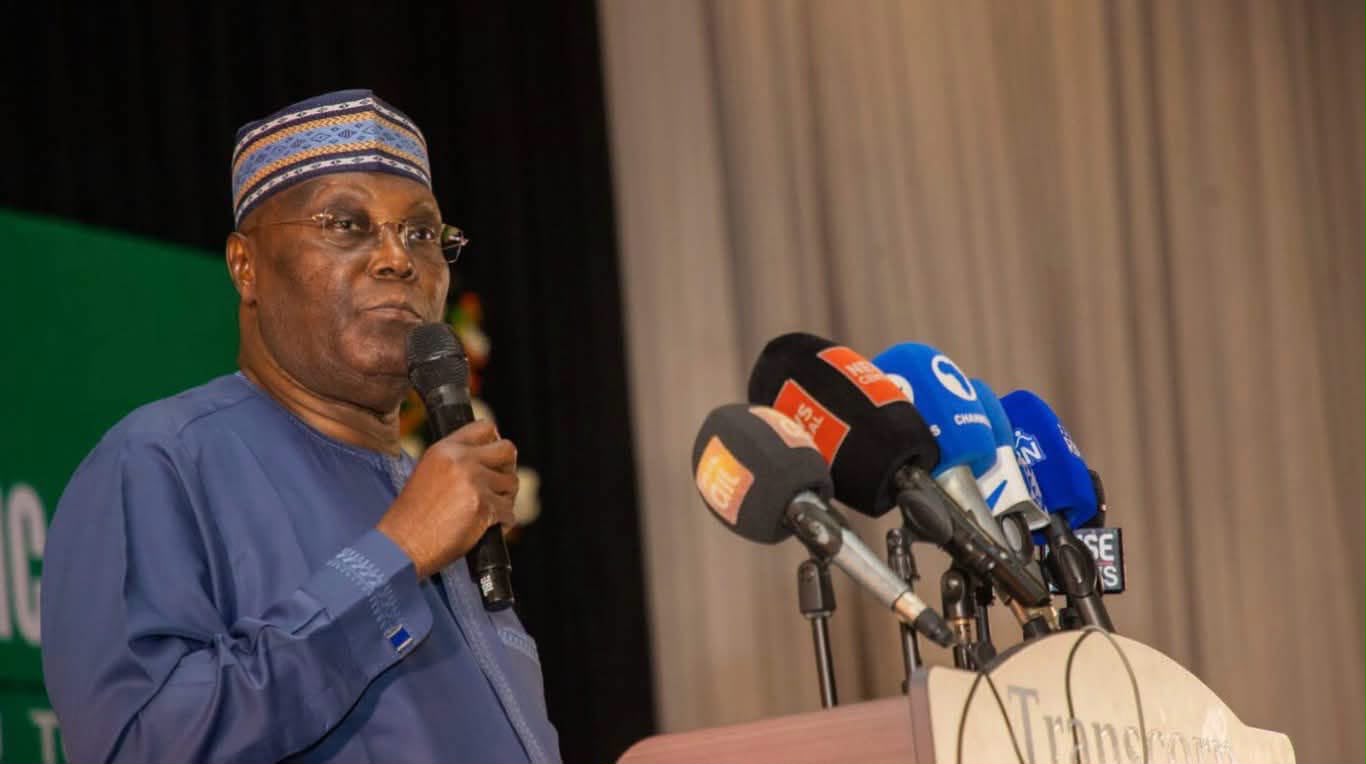
Former Vice President and presidential candidate Alhaji Atiku Abubakar has outlined a key part of his proposed economic agenda ahead of the 2027 elections, saying he would restore the petrol subsidy regime if elected in January next year.
The proposal marks a departure from his position during the 2023 election campaign, when he advocated for the removal of subsidies.
Atiku said the subsidy should be brought back to ease pressure on households and businesses facing high transportation and energy costs.
Critics and supporters have since raised questions about how the policy would work under the current legal and market structure of Nigeria’s petroleum sector.
Legal And Structural Context
Nigeria’s petrol subsidy was dismantled as part of reforms under the Petroleum Industry Act, PIA. The law provided for the removal of subsidy, with the transition scheduled for the end of June 2023. President Bola Ahmed Tinubu accelerated the process in May 2023.
Under the previous arrangement, the Nigerian National Petroleum Company Limited sold petrol at a price below cost, with the difference recorded as under-recovery. The PIA established a market-driven framework for the downstream sector, similar to what already existed for diesel, kerosene and aviation fuel.
Any return to subsidy would therefore require clarity on the legal framework, funding source, and administrative structure for implementation under the current petroleum-market rules.
Changes In The Petroleum Sector Since 2023
The sector has also changed significantly since May 2023. Nigeria has moved toward greater domestic refining with the start of operations at the Dangote Refinery and other facilities. Proponents of the current model argue that local refining reduces reliance on imported petrol and conserves foreign exchange.
They also note that Nigeria is now exporting refined products to markets in Europe, Asia and the United States, compared with past years when refined product imports were among the country’s largest import bills.
The government has further said that funds previously used to finance subsidy are now going to the three tiers of government. It cited the July federation account allocation of about N3 trillion as an example, and said states are now in a better position to pay salaries and fund infrastructure.
The Fiscal Questions
Analysts say the central issue in the subsidy debate is who bears the cost if pump prices are kept below market rates.
With current estimates of economic cost for petrol between N1,200 and N1,300 per litre, any discount would have to be covered through public finances. That could mean reduced allocations to states and local governments, increased borrowing, higher public debt, or cuts to other budget items.
Questions being raised include:
– How much would a subsidy programme cost annually?
– What revenue source would fund it?
– Would the government need to borrow?
– Would the National Assembly be required to amend the PIA and related regulations?
– How would payments be verified to prevent abuse, as experienced in previous years?
– With increased domestic production, what part of the value chain would the subsidy cover — production, transportation, distribution, or others?
Government’s Alternative Measures
The Tinubu administration has said it is pursuing other options to reduce energy costs, including the rollout of Compressed Natural Gas, CNG, for commercial and private vehicles.
CNG is said to be about 70 per cent cheaper than petrol. Companies such as Dangote and BUA have also deployed CNG trucks in their fleets.
The administration argues that sustainable relief should come from expanding domestic refining, improving regulation, increasing competition, and supporting alternatives like CNG, rather than returning to the previous subsidy model.
Political Context
Atiku has a constitutional right to propose alternative policies and seek public support. The debate now centers on the fiscal arithmetic and legal implications of restoring subsidy five months before the election.
Proponents of subsidy restoration argue it would provide immediate relief. Opponents argue it risks reversing gains in domestic refining, job creation, and fiscal stability.
As the 2027 elections approach, stakeholders across government, industry and civil society are expected to scrutinize the costings, funding plans and legal steps required for any proposed return to subsidy.
The conversation reflects a broader national debate about how to balance short-term affordability with long-term energy security, fiscal sustainability, and the structure of Nigeria’s petroleum industry.
Related posts