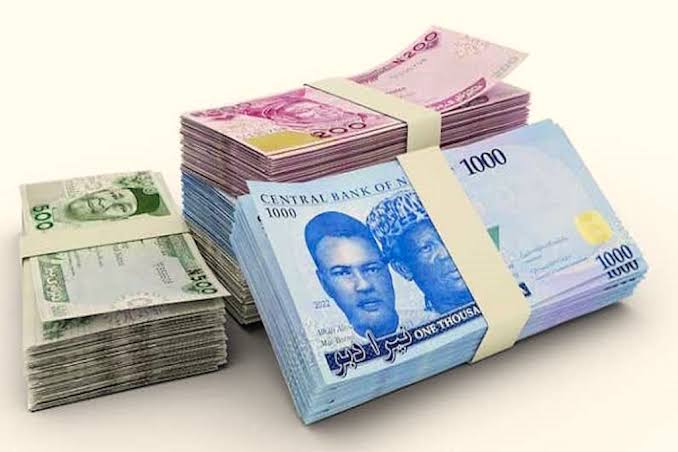
A brief history of the Naira shows that on 31st March, 1971, the then Head of State, General Yakubu Gowon, announced that Nigeria would change to decimal currency as from 1st January, 1973. The major currency unit would be called Naira, which would be equivalent to ten shillings: the minor unit would be called kobo; 100 of which would make one Naira.
Though the pre-colonial era saw different cultures used a variety of items as means of exchange. These included cowries, manilas, beads, bottles and salt amongst others.
Exchange rate between the Naira and other currencies has continued to witness variability with depreciation. This variability makes it difficult to predict returns. Thus against its background, the introduction by Britain to add the Naira to list of accepted trade currencies is a moral big boost for Nigeria.
Britain’s export finance agency adding the Naira to its list of “pre-approved currencies”, will not only allow it provide finance for transactions with Nigerian businesses that will be denominated in the local currency.
The Naira will also become one of three West African currencies that UK Export Finance has pre-approved for its programme of funding transactions that promote trade with Britain.
Britain in 2016 voted to leave the European Union, which has forced London to rethink its trade ties with the rest of the world. The United Kingdom and the EU struck an agreement in December that opened the way for talks on future trade ties.
“A clear indication of how much value the UK places on its relationship with Nigeria,” Paul Arkwright, the British High Commissioner to Nigeria, said in the UK’s credit agency statement. “It will provide a firm foundation for a significant increase in trade and investment between both countries”.
By this statement the UK will provide up to 85 percent of funding for projects containing at least 20 percent British content.
The Naira financing will follow the same structure as someone buying in Sterling, except that Nigerian firms taking out a loan in the local currency can benefit from a UK government-backed guarantee.
Analysts have welcomed the development as it will impact on financing the option of local currency. That might increase Nigeria’s liability as trades mature for settlement and questioned the rate at which funds would be disbursed, since local interest rates are in high double-digits.