

HEALTH COLUMN: Breaking Free From Compulsive Eating
BY SHIRLEY-ANN CHINONYE
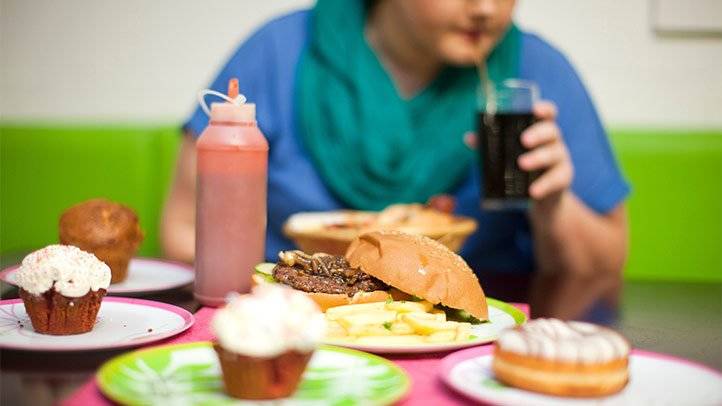
Folks, who compulsively overeat, though, may use food as their only way of coping with negative emotions or as some sort of reward. As a result, they often feel that their eating is out of control. They think about food all the time and feel guilty, ashamed, or depressed after eating. “That’s very different from what someone feels after, say, eating a big Birthday meal. “You might feel full, and you might regret having had that last slice of pie, but you’re not consumed with shame.”
Some people who overeat have most times being diagnosed with a clinical disorder called Binge Eating Disorder (BED). People with BED compulsively eat large amounts of food in a short amount of time and feel guilt or shame afterward. And they do so often: at least once a week over a period of at least 3 months.
Not everyone who overeats is a binger. You might eat a lot of food throughout the day, rather than all in one sitting. And you might not do it regularly, but only when you’re feeling stressed, lonely, or upset or even happy.
How Does It Start?
In some cases, people simply overeat out of mindless habit, like always sitting down with a bag of chips in front of the TV at night. But oftentimes, it’s the result of underlying emotional problems which might include but not limited to having a negative body image, here lack of self-love is a major trigger.
For a handful of other people, BED is part of a cycle that starts with a restrictive diet. May calls it the “eat, repent, repeat” cycle. You might begin a diet because you feel bad about your current weight or body image but find that it’s too hard to stick to — especially if you use food as a coping tool. Eventually, you hit a breaking point and binge on “forbidden” foods, and then the guilt and shame set in, and the restrictions begin again.
The cycle can be hard to break. “Even people who say they’re not on a diet often have ingrained ideas about ‘good’ or ‘bad’ foods,” says Marsha Hudnall, president of Green Mountain at Fox Run in Vermont, a center for women who struggle with overeating. “But when you have a substance that is naturally appealing and soothing and comforting, and you make it off-limits, it just becomes more attractive.”
CAN PEOPLE BE “ADDICTED” TO FOOD?
In recent years, addiction to food has become a popular idea among some scientists. Those researchers say that certain foods high in trans-fat, sugar, and salt are addictive; causing changes to the brain is similar to those made by drugs. Studies in animals have shown that rats that binge on sugar, for example, can develop signs of dependency.
But the idea of food addiction is controversial. For one thing, the standard treatment for every form of addiction is abstinence, and would be impossible to achieve with food. Also, a particular way of eating (dieting) is a very strong component of the binge eating cycle,” May says. “From that standpoint, it’s counterproductive to label certain foods as negative.”
There’s no doubt that eating can stimulate the release of feel-good chemicals, Hudnall says. “But that doesn’t make food an addictive substance. There’s evidence that it’s actually the behavior — the restrict/binge cycle — that causes the signs of dependency, not the food itself,” she says. Some researchers have even stated that the term “eating addiction” is a more accurate term than “food addiction.”Compulsive eating is a primary symptom, not the primary problem.
HOW CAN I CONTROL COMPULSIVE EATING?
Seek help. It can be hard to stop overeating on your own, particularly if there are deep-rooted emotional problems involved, says Robin B. Kanarek, PhD, a professor at Tufts University. Working with a counselor can help you uncover the psychological triggers — like a negative body image — that may be driving your behavior.
Avoid labels. “Understand that you’re not a bad person doing bad things,” May says. “Labeling yourself can become a self-fulfilling prophecy in terms of continuing the cycle.”
Take a pause. When you feel like eating, pause for a moment and ask yourself: Am I really hungry or tasty? Been tasty can cause dehydration which can be interpreted as hunger, it’s important to know how to differentiate one from the other. “Sometimes people get so focused on what they want to eat that they don’t stop and ask themselves why they want to eat,” May says. If you use food as a coping tool, you may be out of touch with the cues that signal hunger or fullness, and it’s important to bring your awareness back to your body
Change your environment. “A habit is very often simply a behavior that’s on autopilot,” Hudnall says. Making a tweak to your environment can return your focus to your behavior and give you a chance to make a more purposeful decision. For example, Hudnall says, “If you always sit in a certain chair to eat, move it to a different place in the room — or sit somewhere else entirely.”
Give into cravings — in moderation. Banning foods can cause you to overeat them later on. If you’re really craving something — even if you’re not hungry — give yourself permission to have a small amount because our bodies are bio machine and it know how it deconstruct cravings.
Stop restrictive diets. “Overeating and restrictive eating are often two sides of the same coin,” May says. “Deprivation can be a trigger for overeating just like stress, anger, or nervousness.
EATING GUIDELINES
Here are some eating guidelines to follow to ensure you don’t develop this habit:
1| Eat only when you‘re hungry.
2| Eat sitting down in a calm environment. This doesn’t include the car.
3| Eat without distractions. Distractions include radio, television, newspapers, books, intense or anxiety-producing conversations, and music.
4| Eat only what your body wants.
5| Eat until you’re satisfied.
7| Eat with enjoyment, gusto, and pleasure.
Could one conversation really change your life? Call: 08104511452 09034425216 or email athealthcoachhepzibah@gmail.com to schedule for a 50 minutes free health consultation. Instagram handle: Hepzibahconsultandwellness Facebook page: Hepzibahconsultandwellness
Related posts