
Lagos Can Become A $1trn Economy Through Private-Sector Partnership —Ambrose-Medebem
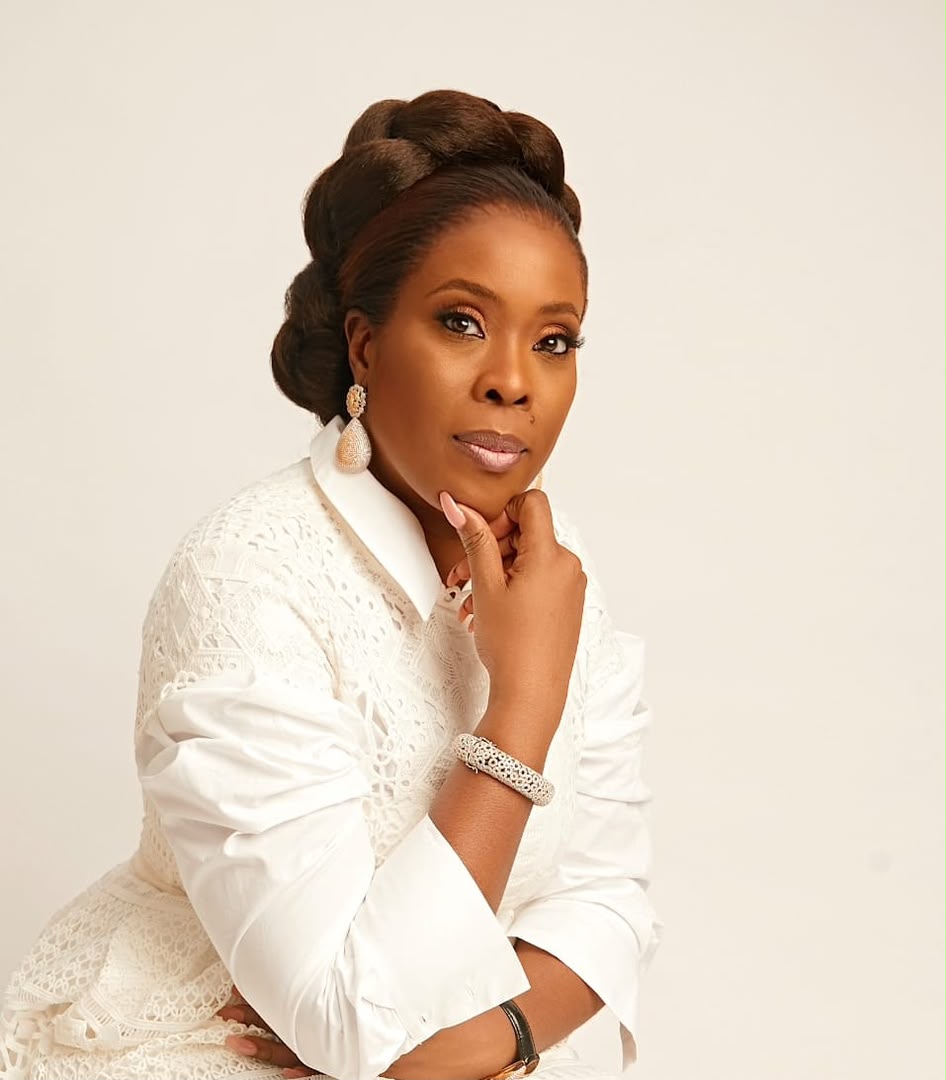
The Lagos State Commissioner for Commerce, Cooperatives, Trade and Investment, Hon. Folashade Kaosarat Bada Ambrose-Medebem, has called for deeper and more strategic collaboration between government and the private sector to unlock Lagos State’s economic potential and accelerate its emergence as a $1 trillion economy by 2052.
Ambrose-Medebem made the call while delivering the keynote address at the Julius Berger Luminary Soirée 2026, themed “The Lagos Proposition: Unlocking Value in a City in Transformation.”
The event was held on Wednesday, September 9, 2026, at the Alliance Française de Lagos, Mike Adenuga Centre, Ikoyi.
The Commissioner said the Lagos State Development Plan 2052 provides a clear and comprehensive pathway for sustainable growth, encompassing 447 initiatives across 21 strategic sectors and anchored on four pillars: a thriving economy, a human-centric city, modern infrastructure and effective governance.
According to the Commissioner, the Plan’s ambition is to grow the Lagos economy to between $800 billion and $1 trillion by 2052, a target that will require sustained policy consistency, disciplined implementation and greater private-sector participation.
“The ambition is clear: Lagos intends to grow its economy to between $800 billion and $1 trillion by 2052. Achieving this will require a new model of partnership. The era of government merely directing the private sector has passed; what must replace it is genuine co-creation,” she said.
She noted that manufacturing contributed 9.57 per cent to the State’s real Gross Domestic Product in the first quarter of 2026, underscoring the importance of industrialisation, infrastructure and enterprise development to Lagos’ long-term growth.
Ambrose-Medebem further stated that Lagos’ GDP stood at approximately $259.75 billion on a purchasing power parity basis in 2023, positioning it as Africa’s second-largest city economy and accounting for more than 30 per cent of Nigeria’s economic output.
She explained that, under the purposeful leadership of the Governor of Lagos State, Mr. Babajide Olusola Sanwo-Olu, the government is moving beyond generating investor interest to facilitating bankable transactions and measurable economic outcomes.
Through ‘Invest Lagos‘, the State Government’s flagship international investment summit, Lagos is connecting global capital with a pipeline of structured and progressively de-risked opportunities valued at more than ₦4 trillion across critical sectors of the economy.
The Commissioner said the State’s economic development strategy rests on four mutually reinforcing foundations: purposeful leadership, credible policies, strategic infrastructure and productive partnerships with the private sector.
“Lagos brings scale, ambition, enterprise, talent and a compelling pipeline of investment opportunities. Companies such as Julius Berger bring decades of engineering excellence, institutional knowledge and the capacity to translate bold ideas into enduring infrastructure. At that intersection lies the opportunity to build the Lagos of the future,” she stated.
Highlighting the State’s growing attractiveness as an investment destination, Ambrose-Medebem disclosed that Lagos attracted more than ₦50 billion in foreign and domestic direct investment within a single year. This included a ₦38 billion investment by Twinings Ovaltine Nigeria Limited to establish the group’s first production facility in Africa.
She added that these investments demonstrate the confidence businesses continue to place in Lagos as a market, an investment destination and a gateway to Africa.
Ambrose-Medebem also commended the continuity of visionary leadership, public-private collaboration and disciplined execution across successive administrations in Lagos State.
She cited transformational projects such as the Lekki Deep Sea Port and the Lagos Free Zone as evidence of what can be achieved when government provides direction and an enabling environment while the private sector contributes capital, expertise and execution capacity.
She called on investors, developers and infrastructure companies to work with the State Government in converting Lagos’ scale and rapid urbanisation into investible opportunities that deliver infrastructure, industries, employment and shared prosperity.
“The Lagos proposition is ultimately a partnership proposition. Government cannot build a $1 trillion economy alone. We need private capital, innovation, expertise and long-term commitment. Lagos is ready to co-create, ready to facilitate investment and ready to build enduring prosperity with partners who share our ambition,” she concluded.
Related posts