


Nigeria Unveils A Centralised AI-driven Education Platform
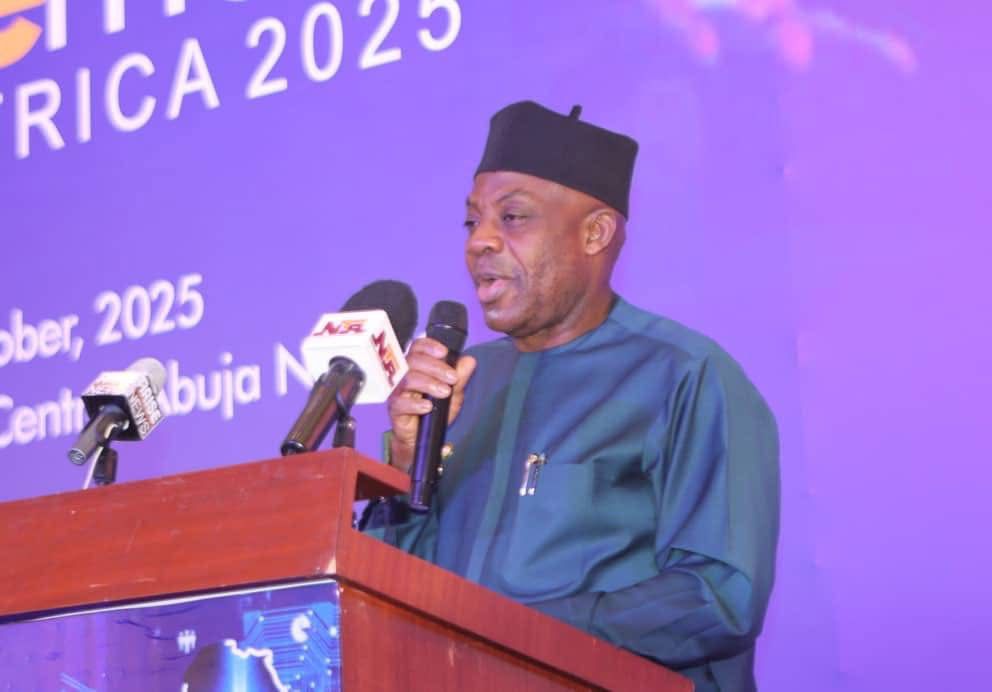
<strong><em>Minister of Education Dr. Maruf Tunji Alausa</em></strong>
ILESANMI TOMISIN ADELEKE
The Federal Government of Nigeria has launched the Nigeria Education Data Infrastructure (NEDI), a centralised AI-powered platform designed to consolidate the country’s fragmented education data systems into a single national registry covering more than 240,000 schools.
Speaking at the National Stakeholders’ Workshop in Abuja, Minister of Education Dr. Maruf Tunji Alausa described NEDI as the government’s “single source of truth” for the education sector, enabling real-time, evidence-based planning and governance across the country’s sprawling and historically underserved school system.
The platform has already captured records for over 32 million learners and 220,000 schools across 21 states.
The launch is partly a response to a damaging pattern the Ministry says persisted for years undetected. According to Ministry data, nearly 80% of development bank and partner investments over the last decade were concentrated in just two geopolitical zones – yet those same regions continue to record Nigeria’s lowest literacy and numeracy rates.
“If we had used data before, we would have known where the investment needed to go,” Alausa said. He added that future funding models would shift to results-based allocations tracked directly through the system, cutting off the possibility of capital flowing to areas without demonstrated need or impact.
At the core of NEDI is the Nationwide Learner Identification Number (NLIN), a unique student identifier aligned with Nigeria’s existing National Identification Number framework that will track each learner’s complete academic journey from basic education through to tertiary level.
The system unifies previously siloed datasets from the Universal Basic Education Commission, the Joint Admissions and Matriculation Board, and the Nigerian Education Loan Fund into a single dashboard. School administrators and policymakers can monitor enrolment figures, infrastructure deficits, teacher qualifications, and facility availability, including water and computer access, from one interface.
AI and data analytics tools embedded in the platform will automate real-time tracking of educational gaps and flag localised system vulnerabilities as they emerge. The government also intends to integrate labour market demand data, enabling the system to actively guide students toward courses aligned with current workforce requirements.
“With this platform, we can know the number of students, teachers’ qualifications, available classrooms, computers, and even water facilities in any school from one dashboard,” Alausa said.
The initiative represents one of the most ambitious education data overhauls on the African continent, targeting full coverage of Nigeria’s estimated 240,000-plus schools once deployment extends beyond the current 21-state footprint. By ensuring no child or vulnerable household remains invisible within Nigeria’s development planning, the government says NEDI will directly inform budgeting, donor coordination, and policy prioritisation going forward
Related posts