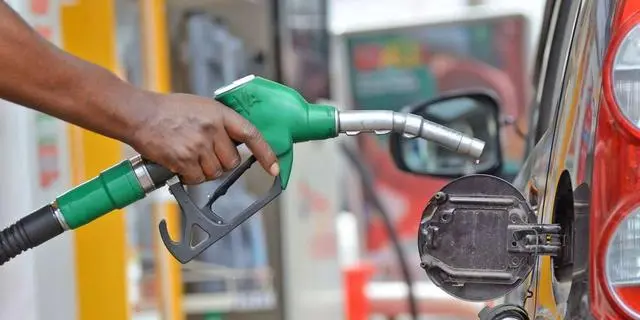
The headlines screaming, ‘President Tinubu Increases Fuel Price’ are inaccurate and do not reflect the actual situation. Nigerians ought to understand that fuel subsidy has been removed. It was scheduled for removal by the preceding Buhari administration and was implemented in 2023.
It betrays a lack of understanding of corporate governance and unawareness of how government operates when politicians and activists attack President Bola Tinubu over statements and actions of the NNPCL.
If the public is not made aware that such criticism knowingly or inadvertently passed on wrong information to them, they will act on this incorrect information as though it were true.
The NNPCL is a limited liability company that is not subject to the President’s direct control. The NNPCL right now is like the NLNG Limited and, to a limited extent, the CBN.
Both the NLNG Ltd and the NNPCL are answerable to their board. They can spend money outside the budget because they are not a Ministry, Department or Agency of the government. They are just like any other company, such as MTN, First Bank or Indorama. The only difference between these companies and the NNPCL is their ownership. They are owned by private individuals and are publicly traded. The Nigerian state owns the NNPCL.
The Federal Government has majority shares, which gives the President the power to appoint the GMD.
To an extent, the NNPCL is like the CBN, which, though the President appoints the Governor, is still independent of the President and the Government.
Ownership and control of the NNPCL are separate. These changes were not even made by the Tinubu administration and are settled.
Yes, the President is the Minister of Petroleum Resources. However, critics mistakenly think this places him in control of the NNPCL.
The Ministry of Petroleum Resources is limited to regulating the industry and ensuring that IOCs and other significant stakeholders have an enabling environment.
The relationship is very similar to that between the Ministry of Power and the Gencos and Discos.
These generating companies (Gencos) are privately owned and have a minority stake held by the federal government of Nigeria. As such, the Ministry of Power has a regulatory role in the industry. That is the whole essence of deregulation.
And it is not peculiar to Nigeria.
The British equivalent of NNPCL is British Petroleum. It is a wholly privately owned company, similar to British Gas and British Airways.
Only a policy illiterate will hold the British Government responsible for their internal runnings.
The NNPCL determines the cost of petrol based on market forces rather than a Presidential caveat.
Thus, the headline should read-NNPCL Increases Fuel Prices.
– Reno Omokri