
World Malaria Day 2026: Nigeria Must Put Rapid Testing At The Centre of Its Malaria Response
BY OLUTAYO IRANTIOLA
The fight against malaria in Nigeria over the years has been defined by a “presumptive” approach, rather than from an ascertained standpoint. Unfortunately, it has done more harm than good with this method of considering every fever as malaria, often without laboratory tests. This approach is no longer sustainable. It wastes resources, fuels drug resistance, and masks other life-threatening illnesses.
This year, 2026, the World Health Organization’s theme for the 2026 World Malaria Day is “Driven to End Malaria: Now We Can. Now We Must.” The theme is an urgent global clarion call to make a rallying cry to grasp the moment, to protect lives now and to fund a malaria-free future.
As Nigeria joins the global community to mark World Malaria Day 2026, the country faces a defining moment in its decades-long battle against malaria. Nigeria stands at a critical juncture in the fight against one of its most persistent public health challenges. Despite sustained interventions, malaria remains one of the leading causes of illness and death in Nigeria, placing enormous pressure on families, the healthcare system, and national productivity.
While prevention strategies, such as insecticide-treated nets and seasonal malaria chemoprevention, have delivered measurable gains, a critical gap persists in the national response: accurate and timely diagnosis at the point of care.
Whenever any form of fever is experienced by people, they resort to purchasing over-the-counter drugs or a medical professional prescribes drugs without due laboratory investigation. In a country as vast and diverse as Nigeria, with varying levels of healthcare access, this diagnostic gap remains a major obstacle to progress. To achieve a malaria-free Nigeria, the healthcare ecosystem must prioritise diagnostic integrity at the primary, secondary, and tertiary levels of care.
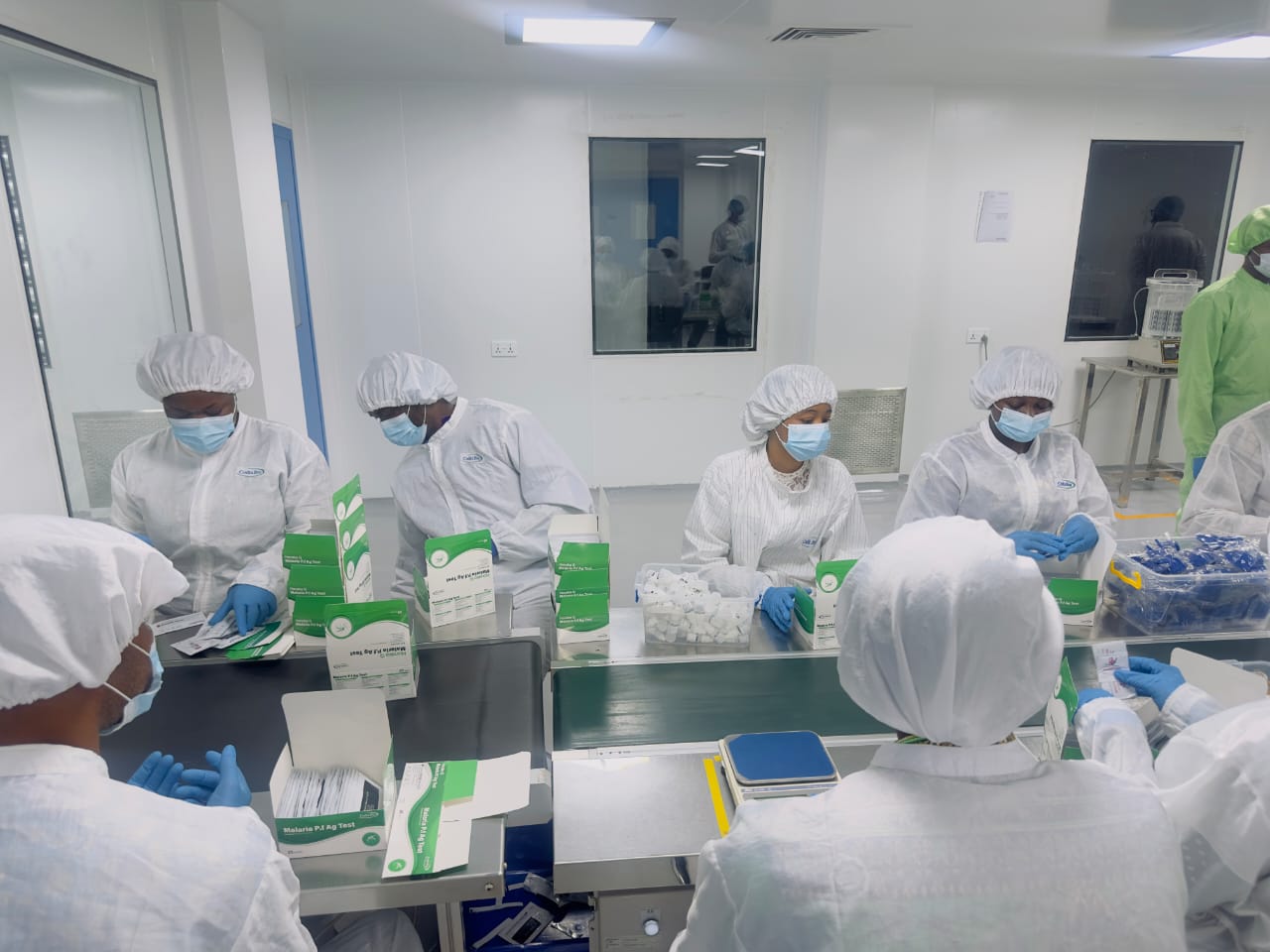
The growing availability of rapid diagnostic tools is beginning to reshape how malaria is detected and treated in Nigeria. Among these is the Haraka Q malaria rapid test by Codix Bio, part of a broader shift toward faster, more accessible testing options that can support timely clinical decisions, particularly in resource-constrained settings.
Public health experts have long raised concerns about presumptive treatment of malaria, where patients are treated based on symptoms alone without confirmatory testing. The introduction of rapid diagnostic kits offers a practical alternative, enabling healthcare providers to distinguish malaria from other febrile illnesses more accurately and reduce the risk of misdiagnosis.
In Nigeria, the local production and distribution of such diagnostic tools also reflect a gradual move toward strengthening domestic capacity in healthcare delivery. Companies like Codix Bio, which are investing in the manufacture and assembly of rapid test kits, are contributing to efforts aimed at reducing reliance on imported medical supplies while improving access to essential diagnostics.
With increased commercial availability, malaria RDTs are now being used across hospitals, pharmacies, clinics, and primary healthcare centres. Their relevance is particularly pronounced at the community level, where access to laboratory infrastructure may be limited. In these settings, rapid tests can support frontline health workers in making quicker, evidence-based decisions.
The ability to obtain results within minutes means that patients who test positive can begin treatment promptly, while those who test negative can be further evaluated for other possible causes of illness. As Nigeria continues to pursue universal health coverage, integrating rapid diagnostic testing into routine care should no longer be optional, but it should be the standard practice.
However, unlocking the full potential of these innovations requires deliberate action.
First, the Federal Ministry of Health and the National Malaria Elimination Programme (NMEP) must move toward a zero-tolerance policy for malaria treatment without diagnostic confirmation. Governments at all levels should prioritize the procurement and distribution of quality-assured rapid diagnostic kits, including locally produced options, within public health programmes. This will not only improve access but also support domestic manufacturing. With Rapid diagnostic kits now widely available, there is no longer a justification for the presumptive use of Artemisinin-based Combination Therapies (ACTs).
Secondly, healthcare worker training must be scaled up to ensure proper usage, interpretation, and adherence to test results. Diagnostic tools are only as effective as the systems that deploy them.
Thirdly, there is a need for public awareness and behaviour change. Nigerians must be encouraged to seek testing before treatment. Changing long-standing habits will require sustained education and community engagement.
Finally, the private sector and development partners must play their part by supporting distribution, affordability, and innovation across the value chain.
World Malaria Day should serve as more than a symbolic event. It should be a call to action, a moment to recalibrate Nigeria’s malaria strategy toward precision, efficiency, and sustainability.
The tools to make this shift are already within reach. With solutions from manufacturers like Codix Bio now commercially available, Nigeria has an opportunity to lead by example in how local innovation can drive national health outcomes. The success of the facility is a victory for Nigerian biotechnology and self-reliance. As a nation, we must deepen our institutional trust in Made-In-Nigeria solutions. Supporting indigenous healthcare brands ensures that our health security is not at the mercy of global supply chain disruptions.
Related posts