

Aguata Showdown: Incumbent Dominic Okafor Faces Youthful Challenger, Chibueze Ofobuike For Federal House Seat
Posted on May 2, 2026
KINGSLEY EBERE
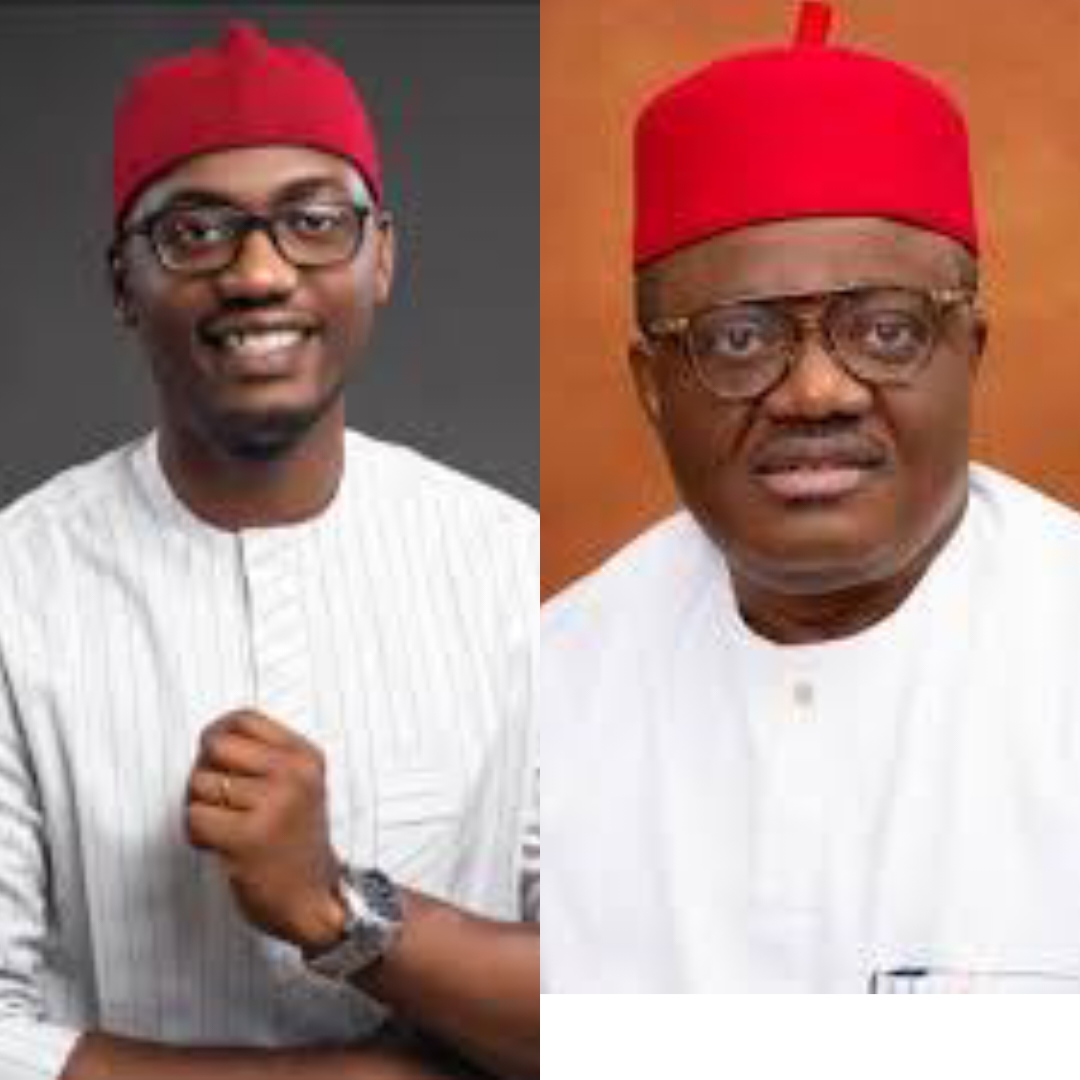
The battle for Aguata Federal Constituency in the House of Representatives has taken another dimension from routine incumbency politics to a fierce battle in Anambra State.
P.M.EXPRESS reports that the entry of Dr. Chibueze Lawrence Ofobuike, the 36-year old Chairman/Mayor of Aguata Local Government Area, into the All Progressives Grand Alliance (APGA) primary, has changed the calculations in Anambra’s most politically watched Federal constituency.
The incumbent Hon. Dominic Ifeanyi Okafor, an engineer-turned-legislator, currently represents Aguata in the 10th National Assembly. Elected in 2023, he is serving his first term and by the constituency’s informal zoning arrangement, would ordinarily be expected to complete a second term before the seat rotates to another bloc within Aguata.
However, the convention is now under pressure. Chief Ofobuike’s declaration in April 2026 has energized a segment of the electorate hungry for younger leadership and grassroots-tested governance. As Transition Committee Chairman in 2022 and later elected Mayor, he rolled out the AguataFirst blueprint, touching education, healthcare, agriculture, youth empowerment, sports, and infrastructure.
But Okafor’s camp points to a solid legislative record in Abuja. He sits on key committees and has sponsored or co-sponsored bills, including the Citizenship and Leadership Training Centre Act (Amendment) Bill, 2025. His constituency outreach is visible: laptop distribution for youths, wheelbarrows for farmers, free eye-care missions, and monitoring of Zonal Intervention Projects for roads and schools.
The supporters describe Okafor as “a solid businessman turned sound legislator”, who has brought “fresh air” to representation by bridging agricultural subsistence and commercialization. His interactive town-halls, often co-sponsored by Yiaga Africa, have earned him a reputation for stewardship and accountability in a region where Federal lawmakers are often criticized as distant.
However, Ofobuike arrives with executive credentials that few LG Chairmen can match. As ALGON Chairman for Anambra State, he has federal-level exposure and direct access to Governor Charles Soludo’s policy machinery. His projects are tangible and localized: the first-ever Umuchu Mini-Stadium, 4.2km of roads with streetlights in Ezinifite, rebuilt Nkpologwu Community Library, and the Push A Kid initiative that kitted every public-primary pupil in Aguata.
Education sits at the heart of Ofobuike’s brand. The Aguata Best Students Challenge has flown finalists to Lagos, Ghana, and Cape Town. Winner Miss Mmesomachukwu Promise Dimewelum received ₦500,000, a laptop, and a year-long billboard feature. He also instituted the Aguata Best Teachers Award to reward excellence and retain talent in classrooms.
On social welfare, Ofobuike’s 2025 Christmas Carol saw 500 widows receive essential items plus ₦10,000 each. In sports, he hosted the Aguata Marathon with ₦1 million in prizes and the Ezeora Challenge Cup, framing grassroots athletics as a tool to curb crime and create jobs. His governance model leans heavily on Soludo’s Public-Private-Community-
The contrast in political pathways is stark. Okafor’s strength lies in Abuja: bill drafting, oversight functions, and federal lobbying. He understands the National Assembly’s procedures and has built relationships across party lines needed to push constituency interests in the budget cycle. His weakness, critics argue, is the perception gap between federal lawmaking and street-level impact, especially among youths who measure performance by jobs and infrastructure.
Ofobuike’s strength is proximity. He has governed Aguata’s 14 communities directly, responds to ward-level issues, and can point to classrooms, roads, and stadiums built under his watch. His academic background – a PhD and former Political Science lecturer – gives him policy depth, while his royal lineage and youth appeal broaden his coalition.
His weakness is federal inexperience. The House requires negotiation, not just execution, and opponents question whether a local government administrator can navigate the complexities of national legislation and appropriation.
Zoning remains a live issue. Aguata Federal Constituency comprises three major blocs: Aguata Central, North, and South. Okafor hails from one bloc and is in his first term. Ofobuike is from Umuchu in Aguata South. Party elders who value stability argue that truncating Okafor’s tenure violates the unwritten rotational understanding. Younger APGA members counter that performance, not geography, should decide the ticket.
Both men are running under APGA, Governor Soludo’s party, which makes the May 24 primary a proxy battle over the soul of the party in Aguata. Ofobuike is a known Soludo loyalist – a founder of Youths Earnestly Seek Soludo (YESS) and key figure in the Old Aguata Union endorsement of the governor. Okafor, while also APGA, has maintained a more independent legislative posture, sometimes to the chagrin of state-level party structures.
For Ofobuike, the challenge will be convincing delegates that his local success can scale and for Okafor, the task is to prove that his first term laid a foundation that deserves consolidation.
Ultimately, Aguata voters face a choice between two APGA brands: Okafor’s “engineer in the Green Chamber” versus Ofobuike’s “mayor-to-Abuja” promise of energetic, project-driven representation.
The Governor Charles Chukwuma Soludo factor is not ruled out in the battle.
Related posts